
Idea 1
The Science of Safe Connection
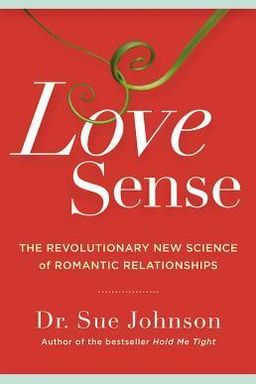
What if love, far from being mystical or lucky, were a biologically wired system you could understand and repair? In Hold Me Tight, psychologist Sue Johnson argues that romantic love is an attachment bond—a survival mechanism deeply rooted in our brains, chemistry, and emotional codes. You don’t just crave romance; you crave safety, responsiveness, and closeness with a key other. When you see love this way, relationships stop being mysterious and become manageable systems of emotional connection.
The Paradigm Shift: Love as Biology
Johnson reframes long-standing cultural scripts: independence and emotional self-sufficiency are not strength—they are isolation. Our deepest instinct is not aggression or sex but connection. Infants cling to caregivers; adults cling to lovers. This is evolution’s plan for survival, seen in Bowlby’s attachment theory and extended now to adult bonds. The science—from Harlow’s monkeys choosing comfort over food to Jim Coan’s hand-holding fMRI experiments—shows that emotional contact literally regulates brain threat responses. When held by a trusted partner, the human nervous system calms down; physical pain lowers; fear circuits deactivate.
Attachment is Lifelong and Actionable
You transfer the need for closeness from parent to partner, from cradle to grave. Knowing this, you can stop blaming personality or chemistry and start repairing the bond itself. Emotionally Focused Therapy (EFT)—the method Johnson developed—maps these instinctive dances of pursuit, protest, and withdrawal. EFT teaches couples to slow down reactive cycles, expose softer fears underneath anger or distance, and create new moments of responsiveness that rewire the brain toward safety. Secure attachment is learnable.
Why This Changes Everything
Seeing love as attachment explains not only why partners fight but why fights hurt so much. When connection frays, your brain reads it as a survival threat. You panic, protest, withdraw, or numb out—not because you’re irrational, but because you’re wired to fear emotional abandonment. Understanding that lets you interpret distress as a call for soothing, not as hostility. When you and your partner respond to each other’s emotional alarms rather than argue over logic, you repair bonds and restore calm.
Core Insight
Love’s essence is emotional accessibility. When you can reach, respond, and stay engaged with your partner, you feel secure, heal faster, and become more resilient. That’s the science of safe connection.
Across all chapters, Johnson merges personal scenes—her grandmother’s devotion, her parents’ conflicts, couples in the clinic—with hard science to show that love is neither miraculous nor doomed. It’s a biological bond you can mend when you learn to understand emotion as intelligent guidance, recognize attachment styles as workable scripts, and practice conversations that rebuild trust. Once you grasp that, love stops being a gamble and becomes a skill—a way to live wired for connection.