
Idea 1
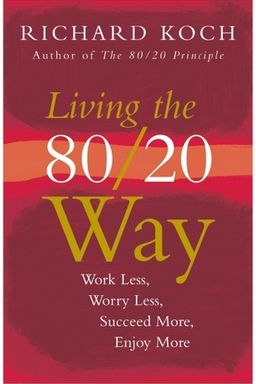
Living the 80/20 Way: Achieving More with Less
What if you could get more of what truly matters in life—more happiness, success, and meaning—with less effort, stress, and time? In Living the 80/20 Way, Richard Koch challenges one of the deepest myths of modern achievement: that working harder leads to better results. Koch argues that life, like business and economics, follows the same pattern—the 80/20 principle—where 80 percent of outcomes come from only 20 percent of actions. If you can identify and focus on those few vital causes, you can transform your life by doing less, not more.
For over a century, this principle—first discovered by Italian economist Vilfredo Pareto—has explained why results, wealth, and success are distributed unevenly. Koch claims this asymmetry isn’t a problem; it’s a key to power and happiness when we use it consciously. In business, the principle improves profits and productivity; in life, it creates freedom, purpose, and joy. If you know how to focus on your “vital few” and ignore the “trivial many,” you can achieve more with less energy, stress, and effort.
The Mistake of Modern Life
Koch opens with a critique of how modern life has gone wrong. We live to work, multitasking and chasing vague goals instead of enjoying meaningful relationships and personal fulfillment. Progress has given us greater comfort and technology, but less peace and time. Our calendars are full, yet our hearts are empty. According to Koch, this paradox exists because we’ve adopted the wrong principle: more with more, the idea that getting ahead demands ever-increasing effort. The result is exhaustion without happiness—a psychological treadmill that produces endless speed but no arrival.
The Promise of More with Less
The antidote is deceptively simple: more with less. Instead of working harder, work smarter—by identifying the few activities, relationships, and goals that bring outsized returns for your energy. Koch invites readers to embrace a lifestyle based on focus, simplicity, and authenticity. By concentrating on fewer things—the best things—you can multiply productivity and happiness while cutting useless effort. This is not a philosophy of laziness but of intelligent action. It’s about recognizing that a small part of what you do generates most of your joy, income, love, and satisfaction.
Koch divides the book into three parts: first, discovering the principle and applying it personally; second, using it to master work, money, relationships, and the simple life; and third, turning ideas into concrete action through his 80/20 happiness plan. His argument builds from intellectual reasoning to practical steps—guiding you through finding your focus, simplifying how you live, and cultivating relationships and habits that return far more than they cost.
Why This Matters
If you ever feel you’re “busy but not effective,” trapped by obligations that drain your time and spirit, Koch’s message is personally liberating. He reframes ambition and success not as struggles for quantity but as journeys toward quality. His examples—from Steven Spielberg’s focused career path to everyday anecdotes about choice and energy—show that greatness and happiness arise from editing life down to what matters most. Less action produces more meaning. Focus amplifies energy. Selectivity creates individuality.
A New Way to See Work and Happiness
Ultimately, Living the 80/20 Way asks: what if you stopped trying to do everything and started doing only the things that truly suit your talents, passions, and personality? Koch’s answer is radical yet comforting: life becomes simpler, lighter, and more joyful when we abandon “more with more.” We enter a zone of fulfillment—the moments when time stands still and happiness flows easily. The book demonstrates that this isn’t just possible; it’s inevitable once you accept that less can be more, and more joy can come from less stress.
Koch’s core argument matters because it challenges our cultural addiction to effort. In an age of burnout and distraction, Living the 80/20 Way offers a blueprint for freedom: work less, worry less, succeed more, and enjoy more. It’s not a theory of efficiency—it’s a philosophy of life.