
Idea 1
Letting Love Lead Your Life
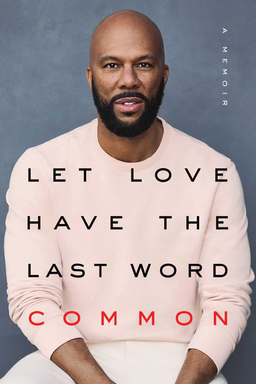
What does it really mean to let love have the last word? Is it a poetic phrase—or could it become a daily practice that transforms how you see yourself, relate to others, and engage with the world? In Let Love Have the Last Word, Grammy- and Oscar-winning artist Common (Rashid Lynn) argues that love is more than a feeling or ideal—it’s an action, a discipline, and the fundamental language through which we experience humanity. He invites you to explore how love acts as a unifying force between our personal wounds and collective healing.
Common contends that love’s power comes from vulnerability when we open ourselves to being seen fully—flawed, uncertain, and in process—we access a higher, spiritual connection with ourselves, others, and God. The book blends memoir, philosophy, spiritual reflection, and social commentary as he traces his journey through self-love, fatherhood, forgiveness, art, and activism. Across stories about his daughter Omoye, his absent father, his therapy sessions, and his creative evolution, he demonstrates that practicing love means confronting fear, pain, and imperfection head-on.
Love as Daily Practice
To "let love have the last word" is not an abstract ideal—it’s an intentional practice. It demands that you check in with yourself regularly, identify your patterns, and act from compassion even when it's uncomfortable. Common uses the metaphor of music and art to describe love’s rhythm: you must stay open to divine creativity, vulnerable enough to let it flow through you, and courageous enough to keep refining it even amid failure. Love, he says, is similar to crafting art—it requires repetition, vulnerability, and faith that the process itself is sacred.
This discipline of love extends to how we treat others and ourselves. Citing bell hooks’ All About Love, he emphasizes that love includes honesty, trust, and communication, not just emotion. Every time we choose awareness over avoidance—whether in a tough talk with a loved one or confronting our inner doubts—we are practicing love. You learn that love is a verb, not a noun. It is what you do in the present moment, not what you simply feel.
The Personal and the Political Dimensions
Common situates this spiritual exploration within the realities of race, fatherhood, and social justice. Whether describing his visit to prisons, his activism against mass incarceration, or his role in the film Selma, he shows that loving the world means recognizing people’s shared humanity—even those society deems irredeemable. He recalls sitting in circles with inmates at San Quentin and hearing men express remorse for their crimes, realizing that love as action means “showing up”—being present to listen, humanize, and respond. It's a powerful form of love that bridges personal redemption and collective empathy.
Likewise, vulnerability and personal healing become channels for social transformation. When Common reveals his own experiences of childhood molestation—an act of raw openness—he reframes it as a journey toward forgiveness and breaking cycles of silence. His courage becomes a message: healing personal wounds is the foundation for healing communities. This mirrors the teachings of spiritual thinkers like Marianne Williamson and Kahlil Gibran, whom Common often quotes: true love is revolutionary because it reconnects us to the divine and dismantles barriers between self and other.
Why It Matters Today
In a world fractured by cynicism, racism, and ego-driven success, Common’s message matters because it asks you to reimagine love beyond sentimentality or romance. Letting love lead means reclaiming presence—showing up consciously for your relationships, your art, and your community. It is about embracing imperfection and making peace with contradiction. You begin by loving yourself enough to look inward honestly, and then extend that love outward in tangible acts that shape your surroundings.
Through anecdotes from his therapy journey with Susan, his conversations with Michelle Obama about relationships, and reflections on parenting Omoye, Common illustrates love’s realism: it’s not easy, it’s not guaranteed, and it always requires effort. But it's also the only path toward spiritual liberation and collective renewal. The book, therefore, becomes a call to action—a roadmap for anyone seeking to live purposefully and compassionately. As Martin Luther King Jr. once said, “Hate is too great a burden to bear,” and Common echoes that spirit to remind us that love, no matter how painful or complex, must always have the last word.