
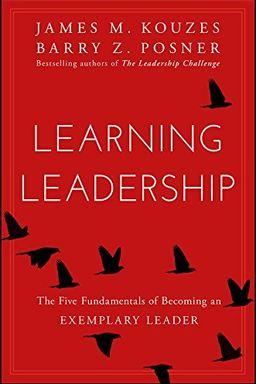
Idea 1
Leadership Built on Credibility and Service
What is the single quality that makes leadership possible? According to James Kouzes and Barry Posner, it’s credibility—the trust and confidence that others place in you. Their long-term research across industries and countries shows that four traits define admired leaders: honesty, forward-looking vision, inspiration, and competence. These together form what they call source credibility. Without these foundations, followers withdraw commitment and participation becomes merely transactional.
Leadership as a Relationship
Kouzes and Posner remind you that leadership is not a status or rank; it’s a relationship of mutual trust and service. Leadership happens between people, not above them. The story of Gayle Hamilton, a division manager who chose to lead beside her crew after an earthquake, illustrates this. Hamilton’s decision to stay with her employees in a trailer instead of moving to corporate offices showed her commitment to the shared mission. Such visible acts shape whether followers feel you are “one of us” or “apart from us.”
The authors argue that in modern organizations, old command-and-control metaphors no longer work. The new image is not hierarchy, but community. Leadership becomes an act of service, similar to delivering excellent customer service—intangible, co-produced, and dependent on relationships. Leaders serve constituents in the same way excellent companies serve customers: with attention, empathy, and real-time responsiveness.
The Currency of Credibility
Credibility is evaluated through actions. People trust you when they see you do what you say you will do—DWYSYWD—and when the promises you make reflect shared values (“do what we say we will do”). Constituents mentally perform a credibility check before following you; they ask whether your past behavior proves integrity, competence, and shared purpose. Credibility isn’t a moral luxury—it directly predicts team spirit, pride, and attachment, while low credibility produces cynicism and churn.
The Practical Path to Leadership Credibility
The framework for leadership credibility unfolds through three interdependent movements: clarity, unity, and intensity. You begin by clarifying your beliefs and priorities—the “credo” that guides what you will and won’t do. Next, you work to build unity, finding common values with your constituents so commitments rest on shared ground. Finally, intensity means enacting those values with disciplined energy—resources, time, and decisions that prove promises matter. Credibility accumulates as people see consistency between words, values, and action.
A Larger Purpose
The authors ultimately reinterpret leadership not as control, but as service to a shared purpose. Every leader’s task is to liberate the leader within others—to help them exercise the capabilities they already possess. The best organizations are communities of mutual service where information, choice, and learning flow freely. Credibility becomes the social capital that fuels voluntary commitment; service becomes the practice that sustains it. When you start from humility, share power, and align around purpose, you create the conditions for people to follow you willingly.
Core message
Leadership, Kouzes and Posner conclude, is not about authority—it’s about belief. Credibility is its foundation, relationship is its medium, and service is its expression. When people believe in you, they will believe in the vision you invite them to pursue.