
Idea 1
Learning to Earn: Building Financial Literacy Through Investing
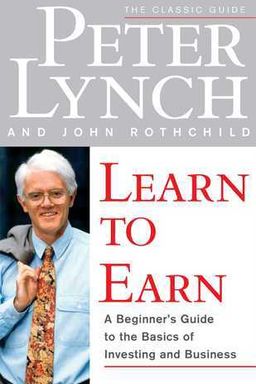
How confident are you in understanding how money really works — not just earning it, but letting it grow for you? In Learn to Earn, legendary investor Peter Lynch (with John Rothchild) argues that learning about investing should begin long before adulthood. Lynch believes that financial literacy — knowing how businesses operate, how capitalism evolved, and how to evaluate stocks — is as essential as learning history or math.
He contends that America’s schools neglect “the most important subject of all”: teaching students how capitalism works and how investing leads to prosperity. His mission is to make stock investing understandable and exciting for beginners, especially young readers, by showing how everyday life connects to the companies on Wall Street. Lynch insists that when you understand how a business earns money, you’re no longer intimidated by the mysteries of the stock market — you become an active participant in growth, innovation, and national progress.
Understanding Capitalism as a Living System
Before you can learn to invest, Lynch explains, you must grasp the basic logic of capitalism. It’s not about greed—it’s about incentives and productivity. Through lively examples — from the rise of the Pilgrims’ free enterprise to the birth of modern corporations — Lynch turns dry economic history into a story of human ambition. He traces how markets evolved from medieval traders to modern global networks. This history matters because understanding how wealth creation works prepares you to interpret the modern world of business, banks, and the stock market.
Capitalism, Lynch argues, is dynamic because it rewards innovation. Inventors, entrepreneurs, and companies that discover better ways of doing things become rich, and so do their investors. From early figures like John D. Rockefeller to modern stars like Bill Gates, he shows that opportunity is tied to effort and insight. For Lynch, learning about these stories isn’t just nostalgia — it’s a reminder that anyone who learns how to invest is tapping into the same economic engine that drives nations forward.
Why Investing Beats Saving
Lynch divides money-handling into two categories: saving and investing. Saving is defensive; investing is offensive. A piggy bank doesn’t create wealth, but stocks do. He uses everyday examples — an employee at McDonald’s who could buy shares of the same company, or a customer who notices Starbucks before it becomes a national trend — to show that observing businesses around you can lead to smart investments.
He emphasizes that starting early multiplies results exponentially because of compound growth — what he calls “time makes money.” A small amount invested at age 20 can beat large investments made at 40, simply by letting time and patience work their magic. (Warren Buffett echoes this same lesson in later works like The Snowball.) The book encourages you to think of investing as partnership, not speculation: when you buy a stock, you own part of a company. You are not “betting” on a ticker symbol; you are buying into its business story.
From Companies to Stocks: Connecting Everyday Life With Wall Street
Almost everything you touch daily — from soap and sneakers to sodas — is made by a public company. Lynch uses this observation as the foundation for his investing philosophy: pay attention to the world around you. He names familiar brands like Nike, Coca-Cola, and Apple, describing how their origins — often starting in garages or small-town shops — turned into billion-dollar enterprises. These are not abstract stock symbols but living entities that produce, sell, and profit.
As you walk through malls or browse the Internet, you’re surrounded by potential investment opportunities. Companies that create products people love tend to grow, and their share prices reflect that success. Lynch calls this “investing in what you know,” his hallmark advice also found in his earlier bestseller One Up on Wall Street. Observing consumer habits — not following insider rumors — gives you an edge ordinary investors ignore.
The Moral of Financial Education
Learning about money isn’t just about personal gain; it’s about citizenship. In Lynch’s view, investors are the “first link in the capitalist chain.” Their savings finance growth, create jobs, pay taxes, and ultimately support national prosperity. To ignore investing is to ignore how modern society stays alive. He makes this moral argument passionately: capitalism works best when ordinary people take part in it.
For students, parents, and newcomers to finance, Learn to Earn offers not only techniques for reading stock reports and balance sheets but also the historical and philosophical grounding to see investing as meaningful participation in progress. The book teaches the mindset of lifelong investors — curious, patient, and confident that understanding business gives them freedom. Lynch’s invitation is simple and empowering: whether you’re fifteen or fifty, it’s never too early — or too late — to learn to earn.