
Idea 1
Learning How to Learn
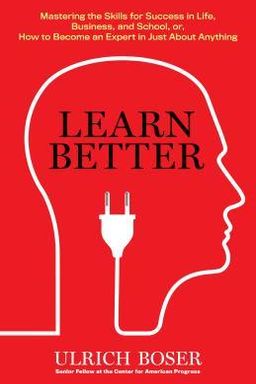
How do some people keep learning quickly while others struggle? In Learn Better, Ulrich Boser argues that learning is not a talent but a process—a methodical sequence of motivation, targeting, practicing, feedback, and reflection. Boser’s central message is simple yet transformative: you can dramatically improve how you learn by paying attention to how you learn. Intelligence matters, but strategy matters more. When you plan, monitor, and adapt your learning deliberately, you empower yourself to acquire any skill or knowledge faster and more deeply.
This book integrates decades of cognitive science research—from Carol Dweck on mindset to Anders Ericsson on deliberate practice—and translates them into practical habits you can use in school, work, and personal pursuits. Boser illustrates each concept with relatable stories—from a struggling fourth-grader once labeled “lost” to Pollock inventing drip painting or Miles Davis riffing jazz into modernity. The pattern behind these examples is that learning is learnable.
Motivation and Meaning
The first lever of learning is motivation. You can’t learn effectively if you don’t care about the subject. Boser shows how students who connected statistics to their career goals (Chris Hulleman’s intervention) moved from boredom to mastery. You create meaning by linking what you learn to personal relevance—what Boser calls learn crafting. Social belonging also fuels motivation: the Posse Foundation’s college “posses” graduate at far higher rates because of their shared support network. In short, learning begins when you want to learn and feel that you belong in the endeavor.
Targeting and Knowledge Building
Once you care, you must aim. Unfocused learning overwhelms working memory, which can hold only three to four items at a time (John Sweller’s cognitive load theory). Boser’s advice: set specific targets, manage difficulty, and build background knowledge so new material has a place to stick. The most effective instruction, from elementary reading groups to professional coaching, keeps learners in a “just-right” challenge zone—tasks slightly beyond current ability but attainable with effort. This zone maximizes growth and confidence.
Deliberate Practice and Productive Struggle
Practice isn’t mindless repetition—it’s refinement with feedback. Boser recounts how his basketball coach, Dwane Samuels, improved his game through focused drills, explicit corrections, and data tracking. This mirrors Anders Ericsson’s research: deliberate practice targets weakness, seeks expert feedback, and tolerates discomfort. Neuroscience supports this: struggling through difficulty causes the brain’s white matter to reorganize, literally strengthening neural connections. Productive effort, not ease, produces durable learning.
Transfer, Application, and Creativity
Learning culminates in application—extending your skill to new situations. Pollock’s drip paintings and Miles Davis’s modal improvisations embody this stage: both took foundational techniques and pushed them into creative frontiers. When you apply a skill in projects, simulations, or teaching others, you transform isolated facts into systemic understanding. Boser likens this to jazz improvisation—a disciplined freedom built on structure.
Metacognition and Emotion
Boser’s metaphorical hinge is metacognition—thinking about thinking—and its emotional twin, self-efficacy. Researchers like Marcel Veenman show metacognitive skill predicts outcomes better than IQ. Planning, monitoring progress, and self-correcting keep learning on track. Emotion is not a distraction but a driver: Antonio Damasio’s work on brain damage cases proves that without feeling, reasoning collapses. Managing emotions through confidence rituals, reflection, and mindset reframing helps sustain effort through setbacks.
Feedback, Reflection, and Humility
The final component of Boser’s model is humility. Most of us overestimate our grasp of topics—a bias known as the illusion of explanatory depth. Boser recommends constant external feedback (from peers, quizzes, or mentors) and reflection techniques like Marsha Lovett’s “wrappers.” Sleep, quiet, and journaling consolidate what’s learned. Reflection closes the loop: you must step back, check your blind spots, and plan the next cycle of improvement. Learning, then, is a lifelong spiral of curiosity, struggle, and renewal.
Core message
Learning is not something you’re born knowing; it’s something you can design. Treat it as a process—fuel it with meaning, aim it with precision, build it through practice and reflection—and you can master anything.