
Idea 1
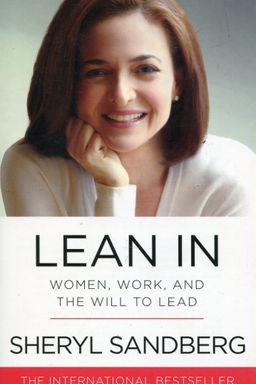
Lean In: Women, Work, and the Will to Lead
Why do so many capable, educated women still struggle to rise to leadership roles, even in an era when gender equality seems within reach? In Lean In, Sheryl Sandberg—Facebook’s Chief Operating Officer—answers this question by making a bold claim: women hold themselves back as much as external systems do. Through a blend of personal stories, wide-ranging data, and actionable advice, Sandberg argues that institutional barriers and internal obstacles combine to keep women from achieving their potential. Her call to action is simple but radical—women should lean in to their careers and ambitions, not step back in fear or self-doubt.
At its heart, Lean In is about redefining leadership and equality. Sandberg contends that true equality will exist only when women run half our countries and companies while men run half our homes. That balance requires both personal and societal transformation—women must claim their rightful place in positions of power, and men must embrace greater responsibility at home. In pursuing this vision, the book explores the cultural, behavioral, and emotional factors that determine success for women in the modern workforce.
Internal and External Barriers
Sandberg shows that while discrimination and limited flexibility form external obstacles, some of the most insidious barriers are internal. From childhood onward, girls are encouraged to be accommodating, kind, and quiet. As adults, women often underestimate their abilities, fail to sit at the metaphorical table, and hold back from opportunities that demand boldness. The result is a leadership ambition gap—fewer women aspire to top roles not because they lack talent but because they doubt themselves or fear being disliked.
Sandberg’s own career journey—from government leadership under Larry Summers to Google’s explosive growth and Facebook’s meteoric rise—illustrates how even confident women experience self-doubt. Her story about asking for pregnancy parking at Google becomes emblematic of female leadership: when one woman in power raises her voice, systems begin to change. The message is clear—in organizations and in life, personal courage generates social progress.
Key Themes and Concepts
Throughout the book, Sandberg maps out practical strategies for reclaiming agency and voice:
- “Sit at the table”—Women must position themselves physically and metaphorically where decisions are made.
- “Don’t leave before you leave”—Stop preparing to quit before necessary. Stay ambitious until the moment you must make a choice.
- “Make your partner a real partner”—Equality at home fuels equality at work.
- “Seek and speak your truth”—Authentic communication and vulnerability create environments where women lead with empathy and strength.
Sandberg also dissects cultural expectations about motherhood and “having it all.” She rejects the myth that women must perfectly balance every role, urging readers to embrace imperfection and focus on what truly matters. Social progress, she argues, depends on honest conversations—between colleagues, partners, and generations. It’s not just about gender politics but about redefining success itself.
Why This Message Matters
Beyond corporate boardrooms, Lean In challenges everyone—men and women alike—to reconsider how ambition, family, and fulfillment intersect. Sandberg’s research-rich insights show that gender stereotypes are self-fulfilling: when women expect to earn less or lead less, they often do. But when women lean in—claim their voices, ask for raises, or negotiate partnerships—they reshape what’s possible for the next generation. Her argument resonates not just as professional advice but as a philosophy for living with intention and courage.
The Core Insight
True equality happens when women lead without apology and men nurture without shame. The revolution isn’t just external—it’s internal, one woman’s decision at a time to lean in and keep going.
By weaving data with deeply human stories, Sandberg turns corporate feminism into something personal and pragmatic. Lean In doesn’t promise simple success—it offers a roadmap for courage, resilience, and collaboration that can help all of us build a world where ambition is genderless.