
Idea 1
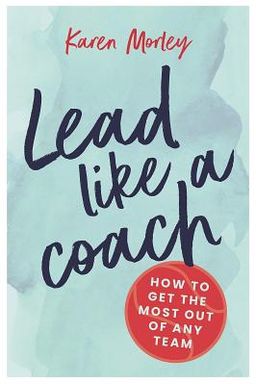
Lead Like a Coach: Transforming Control into Empowerment
How can you lead in a world where demands never stop growing, where your inbox refills faster than you can empty it, and your team looks to you for answers while you barely have time to think? In Lead Like a Coach, Dr. Karen Morley argues that the solution isn’t to work harder or tighten your grip—it’s to lead differently. By thinking and acting like a coach rather than a commander, you multiply your team’s capability, deepen engagement, and create a culture where people thrive and perform at their best.
Morley’s central message is radical yet refreshingly human: When leaders coach, they build trust, boost performance, and lighten their own load. Instead of controlling and correcting, coaching leaders cultivate curiosity, empathy, and flexibility. They ask instead of tell, listen instead of direct, and empower others to solve their own problems. This shift not only transforms how teams function—it transforms how leaders see themselves.
Why Coaching Matters More Than Ever
In the modern workplace, pressure is relentless. Leaders are expected to deliver more results with fewer resources, often across multiple time zones, and often while remaining endlessly available. Many respond by defaulting to old habits—controlling, micromanaging, or overcommitting. The result? Burnout, disengagement, and diminishing productivity. Morley warns that this is a leadership trap: the harder you try to control, the less control you actually have. Coaching breaks this cycle.
Coaching replaces the command-and-control mindset with one built on trust and collaboration. When people feel trusted and supported, they rise to the occasion. The best leaders, Morley says, don’t just lead; they help others lead themselves. This doesn’t mean stepping back completely—it’s about stepping differently: guiding through curiosity, feedback, and shared accountability.
From Control to Empowerment
Through dozens of case studies, Morley shows real-world leaders discovering the power of letting go. Take Amy, a security leader who learned to delegate more effectively. Initially convinced she needed to prove herself as tough and controlling, Amy’s turning point came when a crisis forced her to trust her regional manager. Instead of intervening, she coached him through the situation—and discovered that her team responded with higher ownership, accountability, and creativity. By coaching instead of commanding, Amy not only lightened her workload but also reignited her team’s motivation.
Similarly, in another example, Jackie—a former controller turned coach—discovered that when she focused on helping her team succeed, her own performance and influence skyrocketed. Coaching is contagious, Morley emphasizes: when one person leads this way, it ripples across the organization.
The Book’s Structure and Promise
Lead Like a Coach unfolds in three parts. The first explains why coaching is essential and shows how it transforms both the leader and the organization. The second helps you prepare to coach—developing your mindset, presence, and trust-building skills. The third brings it to life through techniques: how to play, improve, and cheer like a coach.
Morley isn’t just offering another leadership fad. Her approach draws on psychology, adult learning theory, and emotional intelligence research. She connects the dots between cognitive flexibility, self-awareness, and motivation. In her world, leadership is not about hierarchy—it’s about humanity. You succeed when your people do.
A New Kind of Leadership Legacy
Ultimately, Morley’s vision is of an “everyone coaches” culture—an environment where curiosity, feedback, and trust become part of daily conversation. This isn’t a quick fix; it’s an evolution. But as she reminds us, when leaders coach, work becomes more joyful, people stay longer, and results soar. You may have been promoted because of what you could do—but your greatest value now lies in helping others do, learn, and lead. That’s the true gift of leading like a coach.