
Idea 1
The Art of Persuasion Through Storytelling
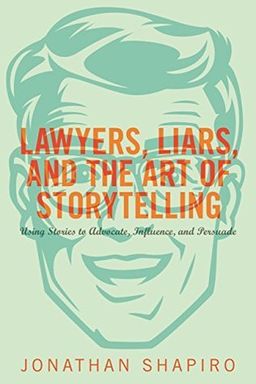
Have you ever wondered why some lawyers captivate a jury while others lose attention within minutes? In Lawyers, Liars, and the Art of Storytelling, Jonathan Shapiro—a federal prosecutor turned television writer—answers that question with a bold thesis: the secret to great lawyering lies in mastering the ancient art of storytelling. Shapiro argues that storytelling is not just a rhetorical flourish or a trial tactic; it is the essence of advocacy. Every lawyer, from transactional attorney to litigator, persuades through narrative. The problem, he says, is that lawyers have forgotten how to tell stories that move people.
Drawing on decades of experience in law and television, Shapiro teaches you to think like both a lawyer and a dramatist. Just as a screenplay needs compelling characters, conflict, and resolution, so too does a legal argument. The most persuasive lawyers are those who can weave facts, ethics, and emotion into a story that feels true, credible, and human. Storytelling, he explains, is the bridge between data and understanding, between the law’s cold logic and the powerful currents of human feeling.
From Courtroom to Writers’ Room
Shapiro’s own career epitomizes the marriage of law and storytelling. After a decade as a federal prosecutor handling espionage, corruption, and civil rights cases, he became a writer and producer for television series like The Practice, Boston Legal, and Just Legal. In both roles, he faced the same challenge: convincing an audience to believe in a version of events. A compelling closing argument and a hit TV script both depend on audience engagement, character credibility, and emotional pacing. This insight shapes the entire book: the techniques that make stories resonate onscreen can and should shape how lawyers advocate for truth in real life.
The Storytelling Triangle
At the heart of Shapiro’s approach is Aristotle’s rhetorical triangle—ethos (credibility), logos (logic), and pathos (emotion). Each leg supports the others, and effective storytelling in law requires all three. A story that lacks credibility collapses under scrutiny. A purely logical argument leaves listeners cold. And a story driven only by emotion risks manipulation or bias. True persuasion comes when ethos earns trust, logos earns reason, and pathos earns empathy. Throughout the book, Shapiro uses vivid historical examples—from Abraham Lincoln’s speeches to Clarence Darrow’s courtroom theatrics—to show how great advocates have used this balance to shape justice and public imagination.
Why Storytelling Matters Now
Why does this matter in today’s legal world? Shapiro warns that our culture’s obsession with data, technology, and image has eroded the storytelling instincts that once defined good advocacy. Law schools, he says, train students to cite precedent but not to persuade hearts. Trial lawyers fear emotion, judges suppress narrative, and the public grows cynical about truth itself. Yet, as Shapiro shows, justice often depends on whose story wins. The most rational legal argument can fail if it doesn’t emotionally connect with the listener. Whether persuading a client, negotiating a deal, or presenting before a jury, lawyers succeed when they remember that humans are not persuaded by logic alone—we respond to the well-crafted story that helps us make sense of chaos.
A Storytelling Framework for Lawyers
Shapiro structures the book around what he calls five rules for storytelling: have a point, use the rhetorical triangle, write the script, edit the script, and rehearse the performance. Each rule transforms how lawyers can approach their daily work. From learning to choose the right details (editing), to understanding their audience (performance), Shapiro blends legal wisdom with Hollywood discipline. He reminds readers that great stories are planned, not improvised—and the best storytellers listen deeply before speaking.
By the end of the book, you realize Shapiro’s message is bigger than law. It’s about reclaiming human connection in an age of polarization and soundbites. Whether you’re a lawyer, teacher, or leader, you carry responsibility for the stories you tell. Shapiro leaves you with a challenge: don’t just argue cases—build narratives that honor truth and move people toward justice. As both a trial lawyer and showrunner, he proves that persuasion isn’t about winning arguments—it’s about making others care enough to listen.