
Idea 1
A Life of Privilege, Pain, and Perseverance
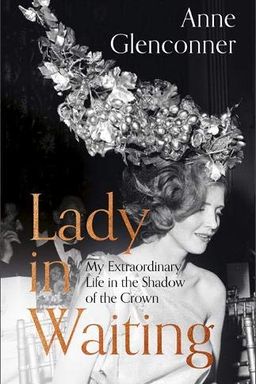
What does it mean to live a life surrounded by royalty, privilege, and grandeur—but also by heartbreak, loss, and resilience? In Lady in Waiting, Anne Glenconner invites you into one of the most extraordinary lives of twentieth-century Britain. As the confidante and lifelong friend of Princess Margaret, Glenconner was both insider and observer—a witness to royal traditions and aristocratic eccentricities. Yet her story is far from the fairy tale it appears. Beneath the glittering surface, she endured tragedy, humiliation, and personal challenge with a surprising mix of grace and grit.
Anne Glenconner argues that privilege does not protect anyone from suffering. Her memoir reveals how emotional repression, duty, and gender expectations shaped aristocratic life in Britain—and how she ultimately reclaimed her identity after loss. She contends that being born into privilege can be both a blessing and a cage: a life filled with grandeur demands unflinching endurance and adaptability. Through laughter and courage, Glenconner shows that a person can survive madness, heartbreak, and tragedy without bitterness. Her story becomes a powerful reflection on resilience, loyalty, and reinvention.
A Childhood Framed by Tradition and Gender Expectations
Growing up at Holkham Hall, one of England’s grand estates, Glenconner was born to an aristocratic family whose lineage traced back to the Tudor period. But being a girl in an inheritance system bound by primogeniture meant she was denied the legacy of land and title. From her earliest years she learned that 'being a girl was a disappointment.' Her father, the 5th Earl of Leicester, loved his family but longed for sons to carry on the Coke line. This defining exclusion—her inability to inherit—became a metaphor for the limitations imposed on upper-class women of her generation.
Despite these restrictions, Anne was immersed in privilege: childhood games with Princesses Elizabeth and Margaret, Christmas at Buckingham Palace, and summers by the Norfolk coast. Yet the emotional absence of her parents and the rigidness of the time bred stoicism rather than affection—a theme she revisits throughout her life. (Author Deborah Mitford and writer Vita Sackville-West expressed similar frustrations about inheritance laws.)
Being Close to Royalty, But Never Free
Her lifelong friendship with Princess Margaret forms the emotional center of the book. Anne’s role as Lady-in-Waiting allowed her to see the royal family both as icons and as flawed human beings. She portrays Margaret as funny, loyal, irreverent, and at times wounded—unable to reconcile private desires with royal duty. These intimate portraits make Glenconner’s voice unique: she demystifies aristocracy from within. The royal rituals—the Coronation, royal tours, and Balmoral weekends—reveal a world of rigid hierarchy but also genuine affection and charm.
What emerges is not gossip but empathy. As Glenconner recounts, being a Lady-in-Waiting was both an honor and a burden. It trained her to anticipate every royal need while subduing her own emotions. Her friendship with Margaret taught her humor in adversity—the ability to laugh when surrounded by tragedy, a trait echoed by other royal insiders like Marion Crawford and Lady Pamela Hicks.
Love, Marriage, and Madness
The book’s most startling conflict revolves around Glenconner’s marriage to Colin Tennant, the eccentric heir to a bleach-manufacturing fortune. Brilliant, volatile, and flamboyant, Colin moved between genius and insanity. He purchased Mustique—a mosquito-ridden Caribbean island—and transformed it into a paradise for the rich and famous. For Anne, this vision came with chaos: Colin’s unpredictable rages, affairs, and public tantrums tested her patience and emotional endurance. Anne lived between extremes—lavish parties one night, heartbreaking silence the next.
Her candor about marriage and motherhood is rare among aristocratic memoirs. She describes sex, jealousy, and power dynamics with frankness. Reading her story, you see that even castles and crowns cannot insulate a woman from pain. Like Mary S. Lovell’s biography of the Mitford sisters, Glenconner’s recollections show how privilege created isolation as well as advantage.
Loss, Resilience, and Reinvention
Later in life, Glenconner faced unfathomable tragedies: her son Henry’s death from AIDS, her son Charlie’s heroin addiction and death, and her husband’s shocking will that disinherited her. Yet, even amidst this heartbreak, she chose survival over despair. Her courage in nursing her injured son Christopher back from a coma demonstrates a devotion that transcends class and circumstance.
Instead of surrendering to bitterness, the author finds joy in friendship, travel, and laughter. She spends her final years in Norfolk surrounded by community and memories. Glenconner’s mantra becomes a lesson for readers: “The love continues.” Her memoir asks you to reflect—how do you maintain grace when life keeps testing you?
Why Her Story Matters
At first glance, Lady in Waiting appears to be a story about royalty and British aristocracy. But at its core, it's about human endurance. Anne Glenconner’s life bridges worlds—between monarchy and modernity, glamour and grief. Her ability to adapt to every phase of life, from debutante to widow, offers timeless insight into resilience. Like Joan Didion’s The Year of Magical Thinking, her narrative reveals that survival depends not on forgetting pain but on transforming it into strength. You are reminded that laughter, kindness, and a willingness to move on can heal almost anything—even lives shaped by disappointment and grandeur.