
Idea 1
Cannabis Against Cancer: A Patient’s Playbook
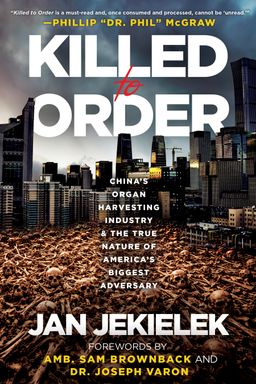
What would you do if a doctor told you your time was running out—and then a nurse whispered, “You better seek alternative treatment”? In Killed To Order, Michael E. Karohs (as told to Erika M. Karohs, Ph.D.) argues that medical cannabis—especially whole-plant cannabis oil—can not only help you manage cancer symptoms, but may directly kill cancer cells, prevent their spread, and help you stay in remission. Drawing from his near-death hospitalization, a Hodgkin’s lymphoma diagnosis, surgery, the threat of chemotherapy and radiation, and then a turn to cannabis, Karohs contends that a disciplined, legally compliant, evidence-informed cannabis regimen can be a patient’s lifeline when conventional paths feel limited or intolerable.
At the core of the book is a simple claim: your body is wired with an endocannabinoid system (ECS) that regulates balance across brain, immune, gut, and more. Phytocannabinoids from cannabis—like THC and CBD—can plug into this system, selectively killing malignant cells while sparing healthy ones, slowing tumor blood vessel growth, inhibiting metastasis, and even prompting cancer cells to self-destruct. Karohs argues you can harness this biology most powerfully through properly made cannabis oil, taken in a thoughtfully staged protocol he calls SHORAK, and supported by practical choices about delivery methods, dosing, strain selection, terpenes, diet, and legality.
From crisis to conviction
Karohs was rushed to emergency care in late 2012 after losing nearly 100 pounds and suffering unbearable pain. Surgeons removed a massive, aggressive tumor; pathology identified Hodgkin’s lymphoma. The recommended path was five chemotherapy agents and possible radiation. While grateful to his medical team for saving his life, he began a rigorous search for adjuncts and alternatives, spurred by a whispered tip from a nurse and reports that chemo may, in some cases, spur protein cascades (like WNT16B) that toughen tumors (see the Fred Hutchinson group’s work cited in the book). He also surfaced studies pointing to cannabinoids’ antitumor effects in glioblastoma, melanoma, leukemia, pancreas, breast, and more (with research from Israel, California Pacific Medical Center, and others).
A pivotal discovery for him was a German study noting cannabinoid receptor expression in Hodgkin’s lymphoma, suggesting a mechanistic rationale for cannabis in his specific cancer. He obtained a legal medical recommendation, committed to cannabis, and—after months—received confirmation of no evidence of disease. In December 2014 he was declared cured. This arc becomes the book’s frame: respect standard care, know the risks and limits, and if you choose cannabis, do it methodically, legally, and consistently.
What you’ll learn
You’ll get a primer on the endocannabinoid system (Raphael Mechoulam’s work features prominently), a plain-English tour of THC, CBD, minor cannabinoids, terpenes, and flavonoids, and how these compounds act in concert—the “entourage effect” (Ben-Shabat & Mechoulam). Karohs contrasts delivery routes—smoking, vaporizing, edibles, suppositories—and makes a case for oil as the most potent, adaptable, and economical medicine when purity and process are right. He details solvent choices (favoring food-grade alcohol and warning against petroleum naptha), step-by-step extraction methods, decarboxylation nuance, storage tips, and critical safety cautions (ventilation, fire safety).
The heart of the book is the SHORAK protocol: a staged plan that begins with a hempseed-oil-supported “starter” phase to prime ECS receptors, progresses through “pre-treatment” and “full-treatment” dosing (divided into multiple daily micro-doses to keep constant pressure on cancer), and concludes with a “post-treatment” phase for immune recovery and relapse prevention. He underscores an often-missed concept—CBD’s biphasic dose-response—and explains why “more” can be counterproductive, advocating the smallest effective dose consistently applied. Along the way, he argues for dietary omega-3s to maintain functional CB1 receptors (he favors hempseed oil), and he cautions about sugar-heavy edibles and their insulin/IGF implications (echoing integrative oncologists like Dr. Donald Abrams and Dr. Andrew Weil).
Why this matters for you
If you or a loved one are navigating cancer, the book offers a self-advocacy roadmap: know your legal options, verify your physician recommendation, vet dispensaries, avoid “CBD-only” industrial hemp scams, and understand that strain choice matters (for cannabinoids, terpenes, and effects). Karohs even breeds and ages his own medical strains—Senior, RS-2017, RS-31, CBD-OD, and a tongue-in-cheek “Elephant oil” cultivar—arguing that landrace genetics, careful hybridization, and maturity translate to richer therapeutic profiles. You also get the human stories: Stan (stage 4 lymphoma and leukemia) reaching remission; Andrea (metastatic pancreatic) reporting normalized markers; Viola (bladder cancer) off chemo; Bill (suspected colon relapse) clearing subsequent scans; and Dave (stage 4 colon) rebounding on a custom, high-THC/CBD oil after setbacks.
Key Idea
Karohs isn’t claiming a universal magic bullet. He’s arguing that if you choose cannabis, you should choose the whole plant, choose consistency, choose legality and safety, and choose a protocol that treats cancer like a 24/7 opponent—not a once-a-day inconvenience. He invites you to treat the ECS as a lever you can learn to pull.
Whether you view this as an alternative, a complement, or an exploration, the book’s value is its concreteness: specific temps for vaporization, explicit dose timing, repeatable oil-making SOPs, and a candid discussion of what derails patients (psychological reversal, nonadherence, unrealistic dosing). Read it as a patient’s playbook—one that urges hope, discipline, and informed choice.