
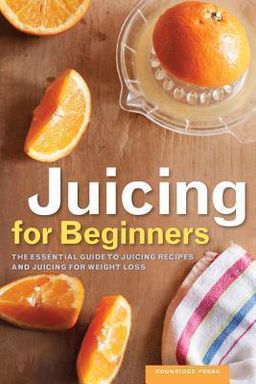
Juicing for Beginners cover

Juicing for Beginners

by Rockridge Press

Juicing for Beginners is your go-to guide for unlocking the potential of fresh juices for health and weight loss. Discover the basics of juicing, explore different juicer types, and enjoy simple recipes that make integrating fruits and veggies into your diet a breeze. Save time, save money, and transform your health with delicious homemade juices.

Reclaiming Health Through Juicing

Have you ever felt that despite eating reasonably well, your body still seems sluggish, tired, or resistant to change? Juicing for Beginners: The Essential Guide to Juicing Recipes and Juicing for Weight Loss invites you to reconsider what “nutrition” really means. The book contends that juicing—extracting pure liquid nutrition from fresh fruits and vegetables—can help you reclaim your health in ways traditional eating habits often fail to do. It’s not a fad or quick fix, but a powerful and practical lifestyle shift for anyone seeking to boost energy, lose weight, or address chronic ailments.

At its core, the book argues that our modern Western diet, saturated with processed foods and toxins, has created a disconnect between our bodies and the natural nutrition we evolved to thrive on. Author insights and health expert quotes reinforce that juicing reconnects us with raw, living nutrients—vitamins, minerals, and phytonutrients—that can restore balance and vitality. This is not about deprivation; it’s about abundance in liquid form.

The Philosophy Behind Juicing

Juicing shifts focus from mere calorie counting to nourishment. Instead of chewing through large quantities of vegetables (which few people manage daily), you can drink your way to better nutrition. The author cites examples like Joe Cross—known for transforming his health through juicing—showing how ordinary people can reverse conditions like obesity, diabetes, and chronic fatigue by flooding their bodies with live nutrients. Juicing isn’t presented as a cure-all, but as a foundational practice that supports your body’s natural healing capacity.

This approach also bridges wellness with practicality: no rigid diet plans, no expensive programs, just a blender or juicer and fresh produce. The book makes clear that juicing’s simplicity is its biggest strength—you can tailor flavor combinations, choose fruits and vegetables you like, and create beverages packed with vitamins that your body can easily absorb.

A Comprehensive Framework for Health

Across nine chapters, the book builds from simple juicing basics to advanced applications. You start with understanding how juicing works and its benefits over eating whole produce. Then, you explore fruits and vegetables in detail—their individual nutrients, healing properties, and how they complement one another. Later chapters introduce additives like spirulina, wheatgrass, and aloe vera to supercharge your juices, followed by discussions on juicing for detoxification, managing health conditions, and achieving sustainable weight loss.

For beginners, juicing recipes—over 100 of them—are presented with practical instructions and nutritional highlights. These range from energizing fruit blends to deeply cleansing green juices. But the structure isn’t just about recipes—it’s an educational journey. You come away knowing not just what to juice, but why each ingredient matters for your body’s specific functions.

Why It Matters Now

Juicing is presented as both a response and a solution to the “diseases of civilization”—cardiovascular disease, diabetes, obesity, and fatigue—stemming from a toxic, nutrient-poor Western diet. The book emphasizes that modern health crises are largely preventable through real, unprocessed foods. When your liver, kidneys, and skin can’t keep up with toxin overload, symptoms appear. Juicing aids these detox organs gently, allowing you to restore their natural function over time.

“Every person has the ability to reclaim all or some measure of their health—and every person who does that becomes a leader who inspires others.” —Joe Cross

This idea extends beyond personal wellness. When you start juicing, you inspire others—your family, kids, or friends—to recognize that health comes from natural abundance, not supplements or restrictive diets. Juicing is also deeply practical for busy lives: it lets you prepare nutrient-rich meals on the go while reducing food waste by using produce that’s about to spoil.

Preview of Core Themes

The chapters cover: (1) the basics of juicing and detoxification, including how to choose and maintain a juicer; (2) the nutritional value of fruits and vegetables and their medicinal roles; (3) additives that boost cleansing and immunity; (4) juicing’s impact on conditions linked to toxicity and nutrient deficiency; and (5) weight loss approaches through strategic, mindful juicing. Later chapters expand into recipes sectioned by fruit, vegetable, and green juices—for daily use and therapeutic cleansing.

Ultimately, the author positions juicing as a lifestyle—one that reconnects you with Earth’s original healing foods. In a phrase, juicing is a bridge: between science and intuition, modern nutrition and ancient wisdom, convenience and vitality. By the end, you understand how a simple glass of raw juice can truly revitalize your health, body, and mindset. It is both nourishment and empowerment in liquid form.


Understanding the Juicing Process

Before you dive headfirst into juicing, you need to understand what makes it different from simply eating raw fruits and vegetables. The book’s first major concept—the mechanics and benefits of juicing—helps you grasp how extracting juice unlocks nutrients that whole foods conceal behind fiber and cell walls. Jennifer K. Nelson, R.D., explains that juicing delivers most vitamins, minerals, and phytonutrients found in fresh produce, making these nutrients easier to absorb and digest.

Juicing vs. Eating Whole Produce

Some critics argue that juicing removes the fiber that aids digestion and keeps blood sugar stable. The book acknowledges this, recommending adding some pulp back into your drink to regain fiber content. But the author emphasizes unique advantages: juicing helps people who dislike fruits or vegetables enjoy their nutrients, saves prep time (no peeling or chopping required for many ingredients), and creates portable nutrition for busy lifestyles.

For families, juicing can be transformative. Kids who won't touch spinach might eagerly drink a sweet green apple-spinach blend. Even the leftover pulp becomes usable—added to muffins or homemade stocks—which aligns with the book’s eco-conscious mindset.

Choosing the Right Juicer

Three juicer types dominate the market: centrifugal, masticating, and triturating. Centrifugal juicers are affordable and fast but less effective with hard or leafy produce. Masticating juicers grind slowly, preserving enzymes and giving juice a longer shelf life. Triturating (twin-gear) juicers crush and press produce in two steps, extracting maximum juice with minimal heat—an ideal choice for serious juicers. These distinctions matter because heat destroys enzymes, and oxidation diminishes nutrient power.

When choosing a juicer, ask yourself practical questions: What produce will I use most? How quiet must the machine be? Can I clean it easily? Do I have space to store it? This hands-on guidance helps you select a machine that aligns with both your goals and your kitchen lifestyle.

Detoxification Through Juicing

The author introduces juice cleansing as a detox tool—a short-term fast on fresh juices. While critics note limited scientific proof for direct detoxification, the book explains its logic: the Western diet overwhelms organs with toxins from processed foods. During a juice cleanse, you stop adding toxins and flood the body with micronutrients. This gives the liver, kidneys, and skin time to reset and clear stored waste more efficiently.

Juicing doesn’t make toxins “disappear,” but it can help your body recover from overload by replacing processed foods with living nutrition.

The book’s balanced perspective encourages moderation: use juice cleanses for three to five days, not as indefinite fasts. This reflects the science-based, practical tone similar to Michael Pollan’s guidance in In Defense of Food—eat (or drink) mostly plants, but keep variety and sanity.

Safe Storage and Health Tips

Juice should be consumed fresh because enzymes degrade quickly when exposed to air. If stored, keep it refrigerated in airtight glass containers to avoid BPA contamination and oxidation. The book offers a science-backed warning: plastic containers may leach harmful compounds, and leaving juice half-filled exposes it to oxygen, reducing nutrient density.

Ultimately, understanding juicing’s mechanics transforms it from a trendy habit into a mindful nutritional practice. You learn how to select tools, manage storage, and design safe, nutrient-rich juices that nourish rather than deplete—a foundational step in your juicing journey.


Fruits and Vegetables as Healing Agents

Once you’ve mastered the basics, the book dives deep into the star ingredients: fruits and vegetables. Chapters Two and Three explore their individual roles in healing, energy, and disease prevention. You learn not just what each food provides, but how they work together to create therapeutic blends that nourish your body from the inside out.

The Power of Fruits

Fruits deliver vitamins and antioxidants essential for combating free radicals and supporting organ function. Apples, for example, contain quercetin and pectin—nutrients that cleanse heavy metals and lower LDL cholesterol. Grapes offer flavonoids with anti-aging benefits; oranges provide more than 170 phytonutrients that reduce inflammation and prevent clotting. Mangoes and papayas support digestion with enzymes while boosting immunity with vitamins A and C.

The author makes each fruit come alive through its unique medical personality. Lemons and limes detoxify; bananas soothe irritability and replenish electrolytes; blueberries strengthen bones and fight bacteria. By weaving these profiles together, you learn to see fruits not just as sweet treats but as strategic tools for healing.

Vegetables: Nutrient-Dense Powerhouses

The vegetable chapter highlights the depth of plant nutrition. Leafy greens like kale, spinach, and collard greens deliver essential vitamins K, C, and A, plus minerals such as iron and calcium. Carrots provide beta-carotene and carotenoids for vision and immune health. Cruciferous vegetables—arugula, broccoli, and Brussels sprouts—supply antioxidants and compounds that inhibit cancer cell growth.

Even less common veggies like fennel and dandelion greens are included for their digestive and detox benefits. Herbs such as parsley, cilantro, and mint play complementary roles: parsley flushes excess water and boosts vitamin C intake, while cilantro helps cleanse heavy metals and balance cholesterol levels.

A Philosophy of Food as Medicine

This section resonates with Hippocrates’ dictum: “Let food be thy medicine.” Each fruit and vegetable carries bioactive compounds—phytonutrients, antioxidants, and enzymes—that make juicing a powerful form of preventive medicine. You don’t need exotic ingredients; common foods like oranges, spinach, and carrots already offer profound health benefits when consumed raw and combined thoughtfully.

Greens, says nutrition expert Kimberly Snyder, deliver “more valuable nutrients than any other food group on the planet,” and blending or juicing unlocks their full potential.

By internalizing these profiles, you can design juices tailored to your needs—energizing blends for fatigue (apple, pear, spinach), anti-inflammatory mixes for joint health (pineapple, ginger, cilantro), or detox brews for clarity and focus (lemon, kale, parsley).

Through this holistic understanding, fruits and vegetables evolve from everyday groceries into a personal pharmacopeia—a palette of natural remedies you can drink daily for long-term vitality.


Juicing for Detoxification and Disease Prevention

One of the most compelling arguments in Juicing for Beginners is that chronic diseases—from diabetes and arthritis to migraines and fatigue—often stem from two causes: “toxicity and deficiency.” Jason Vale’s quote in Chapter Five crystallizes the philosophy: remove toxins and replace missing nutrients, and health follows naturally.

The Link Between Diet and Disease

The book draws on scientific research (notably Cordain et al., 2005) connecting the modern Western diet with the rise of chronic illnesses. Refined sugars, dairy, and chemically processed foods make up over 70% of modern energy intake. These disrupt natural metabolism, overload the liver, and promote inflammation. Juicing, conversely, focuses on fresh, raw foods—fruits, vegetables, herbs—that align with “pre-agricultural nutrition.”

By returning to this natural nutritional state, you give your body the conditions it evolved to thrive in. Juicing helps offset the damage caused by evolutionary discordance—the mismatch between our ancient biology and modern processed diets.

Common Ailments and Juicing’s Role

The book lists dozens of conditions—including acid reflux, eczema, high cholesterol, and depression—explaining how nutrient-rich juices can help alleviate their root causes. For example, lemon and kale juices support liver detoxification, easing allergic responses; beet and carrot juices improve circulation and combat anemia; ginger and apple blends soothe digestion and reduce inflammation.

These aren’t miracles—they’re metabolic corrections. When the body regains equilibrium between toxin removal and nutrient absorption, many symptoms subside naturally. The narrative reminds readers that juicing should supplement, not replace, medical treatment but may enhance recovery and resilience.

Juicing as Preventive Care

Juicing becomes a proactive lifestyle rather than reactive therapy. By regularly consuming juices rich in detoxifying, anti-inflammatory ingredients, you strengthen cellular resilience. For instance, cruciferous vegetables like broccoli and cabbage contain sulfur compounds that purify blood and reduce carcinogenic buildup. For cardiovascular health, citrus and leafy greens provide potassium and flavonoids that regulate blood pressure and reduce plaque formation.

In the author’s view, chronic disease isn’t inevitable—it’s a symptom of modern imbalance. Juicing restores harmony by reconnecting your diet with your biology.

In sum, you learn to see juicing as disease prevention through cellular nourishment. What pharmaceuticals treat symptomatically, nature’s juices often address fundamentally. The book leaves you empowered with a clear message: detoxification begins with what’s in your glass.


Juicing for Weight Loss and Energy

Weight loss is one of the biggest motivators for juicing, and Chapter Six offers a realistic, science-grounded approach. The author dismantles myths about “negative-calorie” foods or fat-burning juices—weight loss, they remind us, always comes down to creating a sustainable calorie deficit while nourishing your cells with real nutrients.

Why Juicing Works for Weight Loss

Replacing processed foods with fresh juices drastically reduces calorie intake and cuts the toxins that slow metabolism. Juices are nutrient-dense but calorie-efficient, letting you feel full and energized while burning fat for fuel. Fruits and vegetables also act as natural appetite suppressants—fiber and phytonutrients help stabilize blood sugar, reducing cravings without the side effects of commercial diet pills.

For instance, a juice of apple, pear, and spinach provides hydration, antioxidants, and electrolytes that keep your energy steady throughout the day, avoiding sugar crashes. Instead of starving the body, juicing nourishes it intensely while letting excess fat burn naturally.

Safe Practice and Transition

The author recommends starting small: replace one meal a day with homemade juice to let your digestive system adjust. Sudden high fiber intake can disrupt digestion if you shift too quickly from processed diets. Gradual transition helps your body align with this nutrient-rich lifestyle.

If a juicer seems costly, you can begin with smoothies—blending fruits and vegetables in your blender and adding water for consistency. This way, you retain more fiber while experiencing juicing’s benefits. Once established, you can invest in a juicer and explore more advanced recipes.

Cleanses and Cycles

The book outlines several cleanse options: a 2-day juice fast for detox, a 3-day cleanse combining juices and one whole-food meal, a 7-day juice and raw food program, and a 14-day cycle mixing fasting, partial cleanses, and raw food reintroduction. These plans provide structure while encouraging flexibility—yielding rejuvenation without risking nutrient deficiency.

Cherie Calbom’s study of “living foods” revealed that over 80% of participants lost weight naturally by consuming raw juices—proving that freshness, not restriction, transforms metabolism.

Juicing results will depend on consistency: maintain hydration, include exercise, and balance your diet with raw or whole foods rich in protein. The book’s advice mirrors modern nutrition experts’ emphasis on lifestyle over quick fixes (similar to Dr. Michael Greger’s insights in How Not to Diet).

Ultimately, juicing helps you lose weight not by force, but by restoring your body’s natural efficiency. When your organs aren’t burdened by toxins and your cells receive clean fuel, shedding fat becomes a byproduct of returning to health, not an external struggle.


Additives That Supercharge Juices

Beyond fruits and vegetables, Juicing for Beginners introduces a fascinating category of “additives”—nutritional enhancers like spirulina, wheatgrass, aloe vera, and probiotics. Chapter Four describes how these additions can elevate ordinary juices into functional elixirs that target immunity, digestion, and detoxification.

Natural Boosters

Aloe vera juice reduces inflammation and internal stress while supporting immunity through antifungal and antiviral properties. Chlorella, a nutrient-packed alga, helps lower bad cholesterol and detox heavy metals—a vivid example of plant-based purification. Spirulina, another algae-based additive, strengthens thyroid function and provides easily absorbed proteins and amino acids, ideal for vegans seeking complete protein sources.

Seeds and Extracts

Flaxseed and hempseed add fiber and healthy fats—omega-3s and linoleic acid—to promote heart health and satiety. Hempseed, in particular, rivals animal products in protein completeness. Herbal extracts, though potent and often bitter, blend easily into juices, offering rapid absorption of plant compounds. Probiotic capsules can be mixed into juice for gut balance, turning your drink into a microbial health booster.

Essential oils and wheatgrass fill out this advanced toolkit: oils support metabolism and skin health, while wheatgrass acts as a natural cleanser loaded with antioxidants and vitamin B12—often missing in plant-based diets.

Strategic Supplementation

The author’s philosophy on additives aligns with integrative nutrition principles: use them intelligently, not excessively. Instead of relying solely on powders, think of them as allies enhancing the raw produce. For example, combining spirulina with green apple and kale makes a protein-rich morning tonic; aloe blended with cucumber and mint creates a soothing antioxidant drink.

Cherie Calbom emphasizes that consistent juicing with these boosters “changes your internal environment” into one that fosters cellular cleansing and optimal function.

For readers familiar with wellness pioneers like David Wolfe or Kris Carr, these additives reflect the convergence of everyday nutrition and superfoods—a practical way to amplify energy and healing in every glass.


From Recipes to Daily Practice

After covering principles and health science, the book becomes a hands-on manual. Chapters Seven through Nine offer more than 100 recipes—categorized into fruit, vegetable, and green juices—each tailored to specific benefits: immunity, detox, energy, beauty, and relaxation. But this section’s brilliance lies in transforming knowledge into habit.

Fruit Juices: Flavor Meets Function

From Morning Melon Boost to Energy Explosion Juice, fruit-based creations blend taste with wellness. Each recipe lists nutrient highlights: melons rich in adenosine for stroke prevention, berries bursting with antioxidants, and citrus fruits for immune defense. Even creative mixes like Mango Gazpacho Juice or Sparkling Raspberry Pomegranate showcase how easy experimentation can make health enjoyable.

Vegetable Juices: Deep Nourishment

Vegetable blends transform everyday produce into energizing elixirs. Sweet Potato Power Juice combines carrots, beets, and bell pepper for detox and oxygenation; Pick-Me-Up Juice pairs kale and lime for morning vitality. The recipes use culinary variety—spices, herbs, and citrus accents—to keep flavors fresh while preventing palate fatigue.

Green Juices: The Ultimate Cleanse

Green juices, hailed by experts like Keri Glassman, deliver live enzymes often lost in pasteurization. They combine nutrient-dense greens—kale, spinach, cabbage, arugula—with mild fruits and roots for balance. Drinks like Lean, Mean Green Juice or Rocket Fuel Juice embody the highest form of raw nutrition, providing chlorophyll, minerals, and antioxidants that support heart, liver, and brain health.

Nicole Teh summarizes it best: “Green juice nourishes our insides for healthy skin, hair, nails, and teeth—all without having to eat eight cups of salad for breakfast.”

By turning recipes into daily practice, you create consistency—the cornerstone of lasting health. The book closes with a compelling invitation: use juicing not just as a seasonal cleanse, but as everyday nourishment. With time, it becomes a joyful ritual—a direct line between nature’s vitality and your own.

Dig Deeper

Get personalized prompts to apply these lessons to your life and deepen your understanding.

Go Deeper

Get the Full Experience

Download Insight Books for AI-powered reflections, quizzes, and more.