
Idea 1
Running as Therapy for the Mind
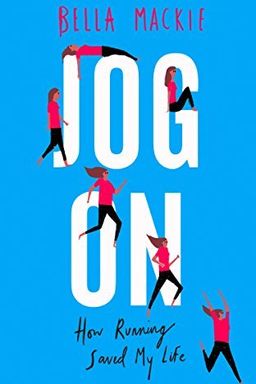
Have you ever wondered how something as simple as jogging could transform your relationship with fear, anxiety, and even yourself? In Jog On Journal, Bella Mackie—journalist and author of the bestseller Jog On: How Running Saved My Life—argues that running isn’t just exercise; it’s a form of therapy, a daily mental practice, and a way to rewrite how you live with anxiety. She contends that the rhythm of running and the deliberate act of journalling can help you untangle fears, concentrate your mind, and rediscover a sense of agency.
Mackie’s core message builds on her personal experience with decades of panic attacks, obsessive worries, and life-altering fear—and her discovery that movement, especially running, soothed the whirlwind of her thoughts. Through stories, structured reflections, and practical tips, she combines cognitive behavioural therapy (CBT)-style exercises with running advice, creating what she calls a mental health ‘toolbox.’ In this guide, you learn how running can reconnect your body with your brain, build emotional resilience, and teach you to face fear both on and off the pavement.
The Body-Brain Connection
At its heart, this book argues that mental illness has a profoundly physical dimension. Anxiety, Mackie explains, isn’t just thought—it’s adrenaline, cortisol, and body chemistry running havoc. When you run, you don’t escape anxiety; you regulate it. The thundering heartbeat and shortness of breath, often mistaken for panic, become signs of strength. She details how exercise calms the overstimulated ‘fight-or-flight’ system and reeducates the body to distinguish danger from discomfort. You come to learn that fitness is not the end goal; balance is. As your body grows stronger, your mind starts believing it can survive what once felt impossible.
Journalling for Awareness
Parallel to the physical act of running is the reflective act of writing. Mackie invites you to use this journal as a Pensieve—a vessel to draw swirling thoughts out of your head and make them visible. You write down your fears, note physical sensations, track progress, and challenge worries with rational statements. In doing so, your thinking shifts from catastrophic spirals (“I’ll faint,” “I’ll die,” “I’ll go mad”) to logical self-reassurance (“I’m safe,” “I can stop at any time,” “This is my body working hard”). Combining writing and running transforms anxiety management from reactive coping into proactive living.
Realism Over Perfection
Mackie’s voice is pragmatic and dryly comic—she rejects glittery affirmations and emphasizes messy, incremental progress. The book isn’t about becoming an athlete. It’s about surviving bad mental health days and using movement to lessen their grip. You will exhaust yourself, get injuries, and feel bored; that’s normal. Each chapter alternates between ‘Mental Health’ reflections and practical ‘Running’ sections, acknowledging that the journey is cyclical. Improvement doesn’t mean cure—it means confidence. Her point is that a run and a journal entry can each act as temporary anchors when your brain feels adrift.
Hope Through Humor and Honesty
By fusing empathy with blunt honesty, Mackie reclaims self-help from saccharine positivity. Her most radical claim is that you must confront fears intentionally—‘scare yourself on purpose’—to rebuild emotional courage. She describes overcoming claustrophobia in lifts and travelling alone after years of agoraphobia. Running was her rehearsal for these trials; every jog was a small exposure therapy session. Her playful metaphors (“anxiety is like my rescue dog—responds well to training treats, badly to being ignored”) make hard truths digestible: that long-term healing demands repetition, discomfort, and kindness toward yourself.
Why This Matters
The Jog On Journal matters because it bridges two worlds—the internal experience of anxiety and the external discipline of movement. Mackie speaks to readers who’ve found traditional therapy insufficient or intimidating. By giving you pens and trainers instead of prescriptions, she turns healing into something tangible. In doing so, she reframes exercise not as punishment or perfectionism, but as liberation—the steady proof that you can put one foot in front of the other, literally and metaphorically, even when your mind insists you can’t.