
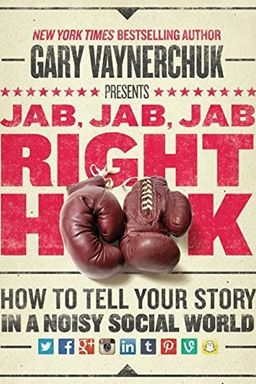
Jab, Jab, Jab, Right Hook cover

Jab, Jab, Jab, Right Hook

by Gary Vaynerchuk

In a world where social media dominates, ''Jab, Jab, Jab, Right Hook'' provides essential strategies for marketers to effectively tell their brand''s story. Learn to craft engaging content and utilize platforms like Facebook and Twitter to achieve social media success.

The Sweet Science of Storytelling in the Digital Age

How do you get people to actually care about what you post online—let alone buy what you're selling? In Jab, Jab, Jab, Right Hook, entrepreneur and digital marketing pioneer Gary Vaynerchuk argues that modern business is built not on shouting the loudest, but on telling the best stories, on the right platforms, in the right way.

Vaynerchuk contends that success in social media marketing follows the rhythm of boxing: a steady stream of careful, respectful “jabs” (useful, funny, or inspiring content that builds trust and familiarity) followed occasionally by a “right hook” (a direct call to action or sales message). Too many businesses, he warns, just keep swinging right hooks—unsubtle promotions that consumers dodge without a glance. The real winners master both patience and timing: they earn attention through authenticity, value, and context before asking for anything in return.

From Wine Cellar to Social Media Ring

Gary Vaynerchuk began as a small wine retailer whose scrappy YouTube show, Wine Library TV, transformed him into a national tastemaker. Reflecting on his success, he realized it wasn’t just his hustle or humor that built his empire—it was his instinct for creating native content. Each video felt at home on YouTube; it was casual, authentic, and precisely tuned to what people sought on that platform. This realization, sparked on a red-eye flight in 2012, inspired him to write this book: the playbook for mastering the modern art of storytelling in the crowded, fast-moving ring of social media.

Why This Book Matters Now

Vaynerchuk argues that the ground under marketers’ feet has shifted. The rise of mobile devices means people are consuming stories differently: they glance at feeds dozens of times a day, swiping through an endless blur of text, photos, and video. In this environment, the old tools—TV ads, print spreads, banner ads—look clumsy and overpriced. The marketer’s new battlefield is the smartphone screen, and the only weapon that works is content crafted with empathy for both platform and audience.

Yet many companies are still failing. They recycle TV commercials on Facebook, paste the same picture across Instagram and Twitter, and act shocked when no one shares, clicks, or cares. They speak the wrong language. As Vaynerchuk puts it, if you wouldn’t show up in Oslo expecting everyone to understand English, why would you post the same creative on every platform? Each network—Facebook, Twitter, Pinterest, Instagram, Tumblr—has its own accent, rhythm, and culture. To win, you have to adapt.

What “Jabs” and “Right Hooks” Really Mean

The basic formula is deceptively simple. Jabs are the small acts of generosity that give value without asking for anything: a how-to video, an inspiring quote, a witty photo, or a genuine response to a customer tweet. Right hooks are the asks—“Buy this,” “Visit us,” “Sign up here.” Most companies want the purchase immediately, skipping the relationship. But in the “thank you economy,” as Vaynerchuk calls it (referring to his earlier book), attention and loyalty have to be earned through micro-engagements, not demanded through blunt advertising.

In boxing terms, the right hook wins the match, but only when the jabs have softened the opponent, trained them to trust the rhythm, and created an opening. It’s about pacing, patience, and empathy—a series of gave-gave-gave-before-asking moves.

A Map of the Modern Marketing Ring

The book walks you through each major platform: Facebook’s storytelling precision, Twitter’s conversational agility, Pinterest’s aspirational eye, Instagram’s artistry, Tumblr’s creative freedom, and the horizon of emerging tools like Vine, LinkedIn, and Snapchat. Vaynerchuk provides concrete examples of brand wins and fails—Juicy jabs from Oreo’s real-time “Dunk in the dark” tweet during the Super Bowl, disastrous misfires like Shakira’s unreadable perfume post, and power plays like Victoria’s Secret’s seamless mobile right hook.

Beyond tactics, he frames a new worldview: in this age, every company is a media company. Whether you sell sneakers or software, you now compete not just against industry rivals but against everything else fighting for your audience’s thumb-scroll attention. The brands that survive will be those that think like publishers, act like friends, and speak like humans.

Why Storytelling Still Wins

Underneath all the platforms and algorithms, Vaynerchuk insists, nothing fundamental has changed. The tools have evolved, but the heart of persuasion remains timeless: storytelling. A great story doesn’t interrupt—it attracts. It makes people feel something first, then motivates them to act. And when you match that emotional truth with the language of your platform, your story can travel faster than any paid media could buy.

“Social media sells stuff. But only if you respect the platform, the audience, and the art of the story.”

– Gary Vaynerchuk

In short, Vaynerchuk’s marketing philosophy is both intensely practical and deeply human. It challenges you to stop throwing generic ads into the void and start treating every post like a piece of storytelling art, every follower like a person, and every click as a moment of trust. Your brand’s knockout punch won’t come from the strength of the hit—but from the grace, timing, and empathy behind it.


The Native Language of Each Platform

Vaynerchuk’s mantra—“content is king, but context is God”—captures one of the book’s most important lessons. Every social platform has its own culture, rhythm, and emotional tone. The same content dressed in the wrong costume simply doesn’t land. Winning the online crowd means learning to tell your story in the native tongue of each platform.

Facebook: The Emotional Storyboard

Facebook is built around relationships. That means your posts must fit seamlessly into a user’s feed of friends and family, offering emotion and authenticity rather than interruption. Success here isn’t about slick ads—it’s about resonance. Brands like Jeep and Mini Cooper perform well because their imagery evokes freedom and adventure, not a sales pitch. Every great Facebook post has a single striking image, concise copy, and a clear call to act. And with Facebook’s algorithm (“EdgeRank”), every like, share, or comment tells the platform your story is worth spreading further.

Twitter: The Global Cocktail Party

Twitter, says Vaynerchuk, is less about content and more about context. If Facebook is your living room, Twitter is a loud, ongoing party where listening well matters more than broadcasting loudly. The smart play is to jump in on trending conversations—what he calls “trendjacking.” For instance, when #GoRed trended during the American Heart Association campaign, Tide cleverly tweeted about saving red clothes, tying in with its color-saving detergent. These small, fast jabs build cultural awareness and credibility that expensive ads can’t buy.

Pinterest and Instagram: Aspirations and Artistry

Vaynerchuk draws a clear distinction between Pinterest’s aspirational mood board and Instagram’s visual diary. Pinterest thrives on collection—future dreams, wish lists, ideal lifestyles. Pins that show “the dream” perform best: a rustic kitchen posted by Whole Foods or a romantic vineyard by Jordan Winery. Instagram, on the other hand, rewards authenticity and artistry. Ben & Jerry’s or Gansevoort Hotel succeed here because their posts feel human and aesthetically alive, not corporate. The golden rule: make your product look like it belongs in someone’s life, not like an ad in their feed.

Tumblr and the New Indie Wave

Tumblr, home to GIFs, fan art, and creativity, demands an indie sensibility. Audiences here value wit and emotion over polish. When Denny’s used animated GIFs to turn pancakes into playful cultural memes, followers fell in love. Compare that with Smirnoff’s flat stock-photo post, which Vaynerchuk calls “a total knockout—for the wrong side.” The message is clear: speak the community’s cultural dialect, not corporate jargon.

Emerging Networks: Betting on the Future

Always ahead of the curve, Vaynerchuk flags early opportunities in Vine, LinkedIn, and Snapchat. Vine's six-second storytelling, LinkedIn’s evolving professional publishing hub, and Snapchat’s ephemeral authenticity all reward creativity and speed. He challenges readers to be early adopters: the first brands to experiment tend to win, just as those who mastered YouTube in 2006 or Instagram in 2011 now dominate attention. The unchanging rule across them all? If your story fits the platform like a native, it stands out.


The Art of the Jab: Generosity Before the Sale

At the core of Vaynerchuk’s philosophy is the radical idea that you have to give before you ask. Jabs are the heartbeat of social media storytelling—the non-promotional posts, quips, tips, and human moments that build goodwill and connection long before a sale. Each jab makes the audience smile, think, or share. Collectively, they prime the relationship so the eventual right hook—the ask—feels natural and even welcome.

What a Jab Looks Like

A strong jab doesn’t interrupt or demand—it helps, entertains, or empathizes. For example, Amtrak once posted a photo inviting travelers to tag the person they would most like to share a train ride with. No sales pitch. Just a small invitation that encouraged emotional connection—and subtly reminded followers of Amtrak’s human warmth. Likewise, Oreo’s “Dunk in the Dark” tweet during the Super Bowl blackout was a textbook jab: a funny nod to a cultural moment that got millions talking without ever shouting “buy now.”

Why Jabs Matter More Than Promotions

Vaynerchuk compares jabs to a child doing chores or earning trust before asking for a treat. They make people want to give back. In a market flooded with ads, genuine generosity becomes your competitive edge. Companies that only throw right hooks (hard sells) exhaust their audience and erode trust. Those that jab regularly cultivate fans who stick around because they like the brand, not just the product.

Human Tone and Platform Fit

A successful jab is always native and human. On Twitter, that means witty or responsive; on Instagram, it might be visual micro-stories; on Pinterest, it’s inspiration tied to identity. Even technical details matter—shorter text, striking visuals, quick humor. Think of Twix’s clever play on the “tree in the forest” question (a lighthearted cultural reference embedded with brand identity). These touches make content feel more like part of the user’s daily feed, less like a corporate intrusion.

Testing and Iterating

Vaynerchuk insists that jabs must be tested like a boxer analyzing his opponent. Experiment with timing, tone, and visuals; watch analytics as feedback loops. If hashtags spark engagement or humor drives shares, double down. Social media gives immediate crowd response data—a luxury traditional marketers never had. Every jab becomes a mini–market research exercise that sharpens your storytelling reflexes.


Throwing the Right Hook: When and How to Ask

After all the jabs comes the moment to go for the win—the right hook, your call to action. But for Vaynerchuk, the trick lies in timing and craft. Throw it too soon, and you betray trust. Throw it without precision, and it glances off harmlessly. A right hook that lands is crisp, clear, and irresistibly easy to act on.

What Makes a Killer Right Hook

  • Clarity: The audience must know exactly what to do. Whether it’s “Apply here,” “Buy now,” or “Tag your friend,” the call is simple and unmistakable.
  • Mobile readiness: Every hook should look perfect on a small screen. Complex layouts or links hidden beneath text cost you conversions.
  • Platform respect: The hook should match the platform’s tone. Sell playfully on Instagram, conversationally on Twitter, aspirationally on Pinterest.

When to Strike

You throw a right hook only after your community “knows” you. Five jabs, ten jabs, a month of engagement—it’s not about counting, it’s about readiness. Victoria’s Secret, for example, built steady excitement through behind-the-scenes jabs before launching a stunning “Apply for the Angel Card” post: bold imagery, clear text, and a one-click path. It was unmistakably a right hook—but one prepared by weeks of relationship-building.

Sponsored Stories and Smart Spending

Right hooks can also take financial form. On Facebook, “sponsored stories” allow you to pay to amplify your best-performing content—not just to buy impressions, but to multiply what’s already organically working. Vaynerchuk praises this meritocratic ad model: the better your creative, the cheaper your costs. Poor content dies naturally; great stories get rewarded with reach.

A Hook Built on Empathy

Ultimately, the right hook succeeds because the audience wants to say yes. It’s not manipulation—it’s momentum. Each previous jab has made the brand familiar, trustworthy, and valuable. When the ask finally comes, buyers don’t feel pitched; they feel included. As Vaynerchuk sums it up, “There is no sale without the story. No knockout without the setup.


Micro-Content and Real-Time Storytelling

Micro-content—the small, shareable bits of story you adapt daily—is the building block of modern marketing. Instead of massive campaigns designed months in advance, Vaynerchuk urges you to create fast, contextual snippets that ride the wave of the moment. In an age of infinite scrolling, attention belongs to whoever can make people smile or think in five seconds flat.

Oreo’s Real-Time Genius

During the 2013 Super Bowl blackout, Oreo’s team seized opportunity within minutes, tweeting a simple image: “Power out? No problem. You can still dunk in the dark.” Short, witty, and relevant—it instantly went viral. That post became a marketing legend not because it cost millions, but because it showed the power of speed plus cultural awareness.

The Formula for Effective Micro-Content

Vaynerchuk sums it up neatly: Micro-Content + Community Management = Effective Social Media Marketing. Good micro-content entertains or informs quickly. Great micro-content responds to culture. When Linked to conversation management—active replies, shares, and gratitude—it forges loyalty.

Staying Agile

Unlike traditional campaigns locked in place for months, micro-content thrives on agility. A small coffee shop can riff on a local weather joke by noon, while a sports brand can meme a last-minute game win by evening. The key is preparation: teams like Oreo had approval systems ready, allowing them to “strike while the hashtag’s hot.”

Owning the Relationship

Each piece of micro-content spreads on borrowed ground—Facebook, Twitter, Instagram—but the long-term win is owning audience connection. The more often you deliver value, the more followers grant you space in their daily lives. Instead of renting attention from media companies, you begin to own it through trust. That ownership, Vaynerchuk argues, is the new marketing gold.


Hustle, Effort, and Heart in the Digital Ring

For all the talk of technology, Gary Vaynerchuk’s final argument is deeply old-fashioned: success still comes down to effort, discipline, and heart. Social media may shorten attention spans, but it punishes laziness even faster. Every tweet answered, every comment liked, every follower thanked—those small gestures accumulate into brand equity.

The Lesson of Buster Douglas

Vaynerchuk closes with a boxing parable. The underdog Buster Douglas defeated the mighty Mike Tyson not through luck, but through relentless preparation. Yet months later, he lost his title after growing complacent and out of shape. The moral? Hustle can make a champion, but only consistent hustle keeps you one.

Social Media Is a 24/7 Sport

In this always-on culture, attention resets daily. You can’t coast on last year’s viral post or a single clever tweet. Marketers must constantly show care, adaptability, and enthusiasm. As Vaynerchuk puts it, “You’re fighting a never-ending boxing match.” The algorithm changes. The audience evolves. The only constants are empathy and effort.

From Entrepreneur to Media Powerhouse

In a world where “all companies are media companies,” the finish line keeps moving. Today’s marketer is also a producer, editor, and data analyst. But above all, they must be human storytellers who genuinely care about the people behind the clicks. That’s what separates the short-term campaign from the long-term community.

The Final Knockout

Vaynerchuk ends on both a challenge and a promise: the game will only get faster. New platforms will rise, old ones will fade, and the truly creative will view each shift not as chaos but as opportunity. If you commit fully—matching your hustle with heart, your data with care—you won’t just survive the changes. You’ll write the next playbook for everyone else.

Dig Deeper

Get personalized prompts to apply these lessons to your life and deepen your understanding.

Go Deeper

Get the Full Experience

Download Insight Books for AI-powered reflections, quizzes, and more.