
Idea 1
The Universal Dynamics of Desire in Love
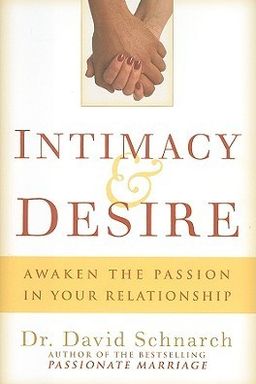
What does a truly healthy romantic relationship look like? You might imagine constant passion, mutual attraction, and easy compatibility—an ideal mix of emotional and physical connection that defies time. But what if your partner’s level of sexual desire begins to fade, or yours spikes beyond theirs? Does that mean something has gone wrong? The author of Understanding the Dynamics of Desire Levels in Relationships challenges this assumption head-on and argues that fluctuating sexual desire is not a problem but a natural and essential part of every long-term relationship.
At the core of the book lies one radical idea: every relationship inevitably contains both a high-desire partner (HDP) and a low-desire partner (LDP). These positions are relative—not fixed traits. You are an LDP only compared to your partner’s level of desire. The dynamic may even shift over time, meaning the LDP can become the HDP and vice versa. Instead of viewing a difference in desire as a sign of dysfunction, the author invites you to see it as an opportunity for growth—both personal and relational.
Why Desire Inequality Is Universal
The author dispels the myth that a perfectly matched libido is the hallmark of relationship success. Every couple will experience periods of imbalance; what matters is how they interpret and respond to those differences. When you realize there will always be an HDP and LDP, you stop taking it personally. It’s not a moral failing or biological mismatch—it’s simply relational physics. This reframing lifts the heavy burden of guilt or blame that often accompanies conversations about sex.
Consider Brett and Connie, a couple who initially believed their relationship was doomed. Brett, the HDP, accused Connie, the LDP, of “withholding” sex. Connie felt powerless and guilty, unable to conjure desire on command. Their healing began when they understood the HDP–LDP dynamic as inevitable—both were responding naturally within their positions. This awareness brought compassion instead of accusation, turning conflict into collaboration.
Power and Control in Sexual Dynamics
Interestingly, the author reveals that the LDP always controls the sexual relationship. Whether consciously or not, they decide if and when sex occurs. Far from being an enviable position, this power often feels like pressure. The LDP bears the anxiety of being expected to fulfill their partner’s needs while wrestling with their own diminished desire. Meanwhile, the HDP feels rejected or dependent. Understanding this power structure allows couples to discuss intimacy without resorting to blame.
The author extends this principle beyond sex. In any area where two people must cooperate—chores, finances, emotional connection—the lower desire or less motivated partner often holds the balance of control. Recognizing this can diffuse resentment and inspire empathy. Each partner has influence, but the LDP’s decisions typically determine whether efforts succeed or stall.
Desire as a Catalyst for Growth
The book’s argument goes even deeper: desire problems are not just relational but evolutionary tools for growth. Through the lens of anthropology, the author connects today’s intimacy struggles to our ancestors’ social evolution. Conflict—whether about territory or affection—shaped the development of the human self. Similarly, in love, desire tension forces couples to grow. By facing differences, partners strengthen emotional resilience and cultivate self-awareness. Sex becomes less about reproduction or pleasure alone—it becomes a means of developing the self.
In this view, losing desire is not tragic—it’s transformative. It invites you to confront your insecurities, redefine your identity, and co-evolve with your partner. Instead of longing for the early fireworks stage, you learn to appreciate the deeper self-discovery that emerges from navigating sexual gridlocks and emotional anxieties. Desire problems, the author suggests, are nature’s way of pushing us toward maturity.
Self-Validation and Emotional Dependency
Another major thread in the book explores how we seek self-validation through our partner’s attention—a process known as mind-tracking or mind-mapping. Humans evolved with a reflected sense of self, relying on feedback from others to know who we are. In relationships, this often manifests as emotional dependency: constantly monitoring our partner’s reactions to feel desirable or loved. When one partner fails to offer validation, insecurity and resentment follow. This dynamic intensifies desire issues, as emotional neediness can smother sexual spontaneity.
By learning to soothe your own anxieties and maintain a solid sense of self, you relieve your partner from the burden of constant reassurance. This independence restores authenticity, paving the way for real sexual intimacy. Sally and Robert’s story exemplifies this: Sally’s honesty about faking orgasms—an act meant to protect both partners’ self-images—eventually led them toward genuine connection and mutual growth. Painful honesty replaced performance, and self-confrontation fueled transformation.
From Stalemate to Collaboration
The author illustrates how relationships often reach “gridlock,” a point where both partners refuse to adapt or address underlying anxieties. Paradoxically, this stalemate becomes the catalyst for progress. By embracing discomfort, couples can break through impasses and build what the author calls a collaborative alliance—a partnership rooted in mutual effort rather than avoidance. Exercises like “hugging till relaxed” embody this philosophy physically, teaching partners to cooperate even as they confront vulnerability.
Ultimately, the book reframes desire not as a thermometer of love but as a mirror of growth. You’re not meant to maintain perpetual passion; you’re meant to evolve—to understand how love, power, and selfhood intertwine. Desire differences compel you to mature emotionally, shift perspectives, and nurture authentic intimacy beyond the illusions of perfection.