
Idea 1
The Two-Sided Power of Self-Awareness
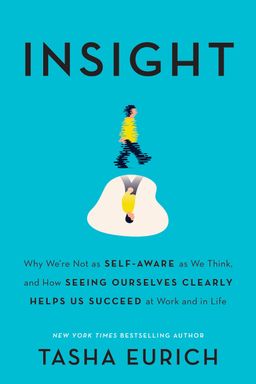
What if knowing yourself wasn’t just about introspection, but about seeing how others truly see you? In Insight, organizational psychologist Tasha Eurich argues that genuine self-awareness is the foundation of better decisions, improved communication, and resilient leadership. But she reframes it as a two-sided skill—internal (knowing who you are) and external (understanding how others perceive you). True insight, she shows, comes from integrating both perspectives.
Eurich builds her argument on years of research and interviews with hundreds of executives, entrepreneurs, and what she calls "self-awareness unicorns"—rare individuals who have achieved extraordinary clarity about themselves. Across her case studies—from George Washington’s evolution as a leader to modern CEOs like Alan Mulally—she demonstrates that clear self-perception leads to higher performance, empathy, and adaptability.
The Myth of Simple Introspection
Eurich dismantles the cultural assumption that self-awareness simply means “looking within.” Decades of psychological research show that many people who think they are self-aware are actually mistaken. In fact, 95% of people believe they’re self-aware, but only 10–15% actually are. Introspection often becomes self-justification or rumination instead of productive insight. Therefore, the “will and skill” to know both yourself and your impact on others must be cultivated with discipline, feedback, and humility.
From Self-Esteem to Self-Awareness
Culturally, Eurich warns of the “Cult of Self”—a decades-long obsession with self-esteem and constant affirmation that undermines accurate self-evaluation. Research by Roy Baumeister and others reveals that inflated self-esteem doesn’t improve life outcomes and may fuel narcissism and entitlement. Platforms like social media amplify this distortion, rewarding self-promotion over sincerity. Eurich’s antidote: humility, balanced confidence, and a shift from self-absorption to contribution. She contrasts “Meformers” who post about themselves with “Informers” who post to help and connect.
The Framework of Self-Knowledge
Eurich introduces the Seven Pillars of Self-Awareness: Values, Passions, Aspirations, Fit, Patterns, Reactions, and Impact. These pillars clarify who you are (internal view) and how you show up (external view). For instance, knowing your values grounds your decisions; understanding your impact prevents self-deception. People like Florence Ozor and Eleanor (a manager whose emails eroded trust) illustrate how reflecting across multiple pillars helps integrate self-perception with real-world awareness.
Barriers and Breakthroughs
Three major blindspots—Knowledge, Emotion, and Behavior—regularly distort perception. They make capable people overconfident or unaware of their emotional filters. Steve, a construction manager convinced he was an inspiring leader, only realized his destructive habits after soliciting blunt feedback. Eurich dubs his turnaround the cure for “Steve Disease,” a syndrome of confident blindness common among top performers. The path to recovery always begins with humility and external data.
A Learnable Skill
Ultimately, Eurich’s thesis is optimistic: self-awareness is not a gift but a learnable, repeatable skill set. Through structured exercises—mindfulness practices, story rewriting, feedback rituals, and perspective-taking—you can systematically sharpen both your inward and outward sight. Alan Mulally’s leadership at Ford and Florence Ozor’s social activism exemplify what happens when reflection and realism meet action. Self-awareness, Eurich concludes, is less a revelation and more a daily practice of curiosity, inquiry, and courageous truth-seeking.