
Idea 1
Doing What Your Organization Needs Most
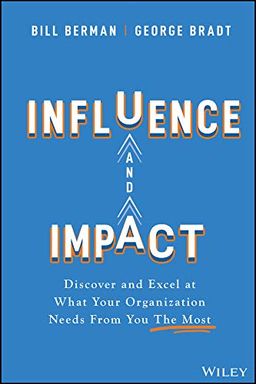
Why do talented, hardworking people sometimes feel invisible at work—stuck, underappreciated, and uncertain about what matters? In Influence and Impact: Discover and Excel at What Your Organization Needs From You the Most, executive coaches Bill Berman and George Bradt challenge a common assumption: success doesn’t come just from doing your best work. It comes from doing the work your organization actually needs—and doing it in a way that fits its cultural DNA.
The authors argue that most professionals misunderstand their jobs. They assume that the formal job description defines success, or that repeating what worked before will lead to new recognition. But Berman and Bradt reveal that misalignment—between your personal priorities and your organization’s mission and culture—quietly undermines influence, performance, and even satisfaction. To thrive, you must decode both the business priorities and the cultural expectations, then adjust what you focus on and how you do it.
Understanding Influence and Impact
The book’s central distinction is between influence and impact. Influence refers to your indirect, human effect—how you inspire or persuade others to believe, trust, or follow your ideas. Impact is direct, measurable change—the tangible improvements you create in the organization. You can’t have impact without influence; you can’t sustain influence without delivering impact. The authors’ mission is to help you synchronize both by aligning your day-to-day work with what your manager, your team, and your company most value.
Why So Many Professionals Get It Wrong
From frustrated middle managers to overwhelmed senior leaders, Berman and Bradt have seen one recurring trap: people do what’s comfortable, familiar, or self-interested instead of what the organization needs most. Some micromanage their teams to avoid strategic uncertainty. Others take on colleagues’ work to feel indispensable. Still others retreat into technical detail or past success patterns. They mean well—but their energy goes in directions the company doesn’t value. This disconnect erodes influence and engagement, making talented people less visible and less powerful over time.
The Path to Realignment
The solution, say the authors, begins with awareness. You must first accept the context you’re in, rediscover your value, and identify what job actually needs to be done—often different from what’s on paper. Then, you gather data from the surrounding ecosystem: your boss’s priorities, your organization’s culture, and your stakeholders’ perspectives. You synthesize those insights into a working job description—a personalized blueprint that defines your mission, deliverables, and relationships in reality rather than theory.
Once aligned, you build a personal strategic plan to practice and reinforce new behaviors. You may expand influence by changing communication style, shifting time allocation, or demonstrating enterprise-level thinking. Over time, those changes boost your credibility and open opportunities—sometimes within your current job (“Plan A”), sometimes through a better-fit role elsewhere (“Plan B”).
The Broader Context: Coaching for Everyone
Influence and Impact democratizes what high-level executive coaching offers: clarity, alignment, and growth. Traditionally, only elite leaders accessed such support. Berman and Bradt’s approach makes coaching tools available for anyone who wants to become more effective and fulfilled. Their practical worksheets and frameworks mirror instruments used in consulting psychology and onboarding programs (George Bradt’s The New Leader’s 100-Day Action Plan). Together, they teach how to self-coach—to diagnose misalignment, evaluate organizational culture, and recalibrate one’s approach.
Why This Matters
Work consumes much of your life. When alignment falters, motivation collapses. But when you understand what your organization needs and deliver it authentically, influence and impact multiply—and your work regains meaning. You become a valued contributor rather than a frustrated technician. You also learn when it’s time to leave an environment that can’t value your strengths. The heart of the book isn’t about pleasing management—it’s about reclaiming ownership of your professional life through informed, intentional alignment.
As Berman and Bradt remind you, influence isn’t manipulation, and impact isn’t busyness. True professional success comes when what you do, how you do it, and why you do it resonate with your team’s mission. That simple but profound shift—from self-focus to organizational focus—becomes the foundation of influence, impact, and fulfillment in your work.