
Idea 1
The Moral Defense of Self-Interest
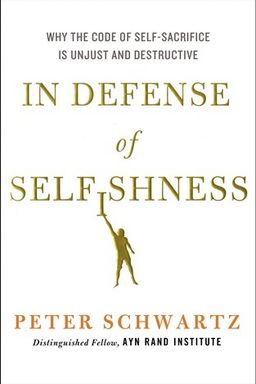
When was the last time you felt guilty for putting your own happiness first? In In Defense of Selfishness, Peter Schwartz challenges one of the most sacrosanct beliefs in modern morality: that altruism—the selfless service to others—is the highest good. Schwartz’s core argument is simple yet radical. He contends that the command to sacrifice oneself for others is not only morally wrong but ultimately destructive to both individual freedom and social well-being. In its place, he argues for a morality of rational self-interest: a framework for living that respects your mind, your happiness, and your right to pursue values that sustain your life.
Across the book’s chapters, Schwartz walks you through a sweeping reappraisal of moral philosophy. He begins by showing how altruism masquerades as compassion but actually demands servitude, eroding self-responsibility and self-esteem. He dismantles the straw-man image of selfishness as greed or cruelty, reframing it as thoughtful, productive independence. He explains why moral principles—honesty, justice, integrity—are not sacrifices but tools for achieving genuine happiness. Then, through political analysis, he connects the ethics of altruism to the rise of collectivism, regulation, and even totalitarianism, arguing that self-sacrifice provides the moral sanction for tyranny.
Throughout, Schwartz’s tone is conversational but relentless. He invites you to reconsider what you might have accepted as moral common sense. Why, he asks, should your neighbor’s need be a claim on your life? Why should success require apology? Why is it seen as virtuous to give away earnings you’ve achieved through effort? Through vivid examples—from government welfare programs to the tragic self-erasure of religious martyrs—he reveals altruism’s core message: that your life belongs to others.
Why This Challenge Matters
This book matters because its argument goes beyond abstract ethics—it touches everyday life. Schwartz shows how altruism quietly shapes everything from education to business to politics. Students are told to perform community service instead of pursuing their own development. Entrepreneurs are pressured to “give back,” as if their achievements were debts. Governments confiscate wealth in the name of “social justice.” Each act stems from the same moral seed: the belief that self-sacrifice is noble. If altruism corrupts the concept of morality, Schwartz argues, only by restoring the legitimacy of self-interest can we recover freedom and dignity.
The Core Ideas You'll Explore
You’ll first see how altruism functions as a code of servitude, redefining “need” as a moral weapon. Then, Schwartz exposes the false image of selfishness promoted by centuries of philosophy—from Hobbes’s cynical war-of-all men to Nietzsche’s authoritarian “will to power.” Next, he introduces Rand’s philosophy of Objectivism, explaining how reason, not emotion or faith, grounds a moral system that values independence and achievement. You’ll learn how altruism erodes core moral principles, how collectivism grows from its soil, and how even democratic governments morph into paternalistic states that treat citizens as helpless children.
Finally, Schwartz calls for a consistent moral stand—no middle ground between self-sacrifice and self-interest. He urges you to reject guilt and affirm your right to enjoy and sustain your life. As Ayn Rand famously said (whom Schwartz quotes throughout), “There are two sides to every issue: one side is right and the other is wrong, but the middle is always evil.”
Central Claim
For Schwartz, selfishness is not greed—it’s moral ambition. It’s the decision to think, to produce, and to live for your own sake. Altruism, in contrast, is not kindness—it’s a demand for obedience.
The result is a provocative moral defense of the self. In Defense of Selfishness is not just a rebuttal to self-sacrifice; it’s a call to reclaim your right to live rationally, freely, and proudly. Understanding that distinction, Schwartz argues, is the first step in defending both ethics and civilization itself.