
Idea 1
Urgent Optimism and Imagining the Future
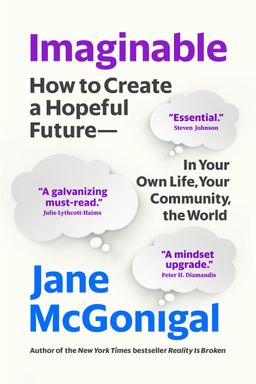
How can you turn uncertainty into purpose? Jane McGonigal’s Imaginable argues that you can train your brain to face the future not with fear but with agency. The book centers on the concept of urgent optimism — the belief that you can face big challenges with clarity, creativity, and determination. McGonigal blends neuroscience, game design, and social psychology to show how deliberate imagination exercises can prepare you for crises and opportunities alike.
The Core Argument: Future Thinking as Resilience
McGonigal contends that mental rehearsal of future events — whether pandemics, climate shocks, or technological shifts — changes the way your brain and emotions respond to surprise. Instead of freezing, you act. The book builds a bridge between foresight science and everyday life: when you imagine plausible futures vividly enough, your brain treats them like memories. That makes adapting easier when real disruptions arrive.
Her famous phrase “imagination training” refers to structured exercises that expand your mental flexibility and empathy. These include episodic future thinking, simulation games, signal tracking, and scenario design. Together, they help you build what she calls learned helpfulness — the neural opposite of helplessness — by practicing small acts of agency now.
The Big Picture: How We Learn from the Future
The book follows a clear arc. It starts with how your brain constructs imagined experiences (episodic future thinking) and why ten years is the optimal timeframe for long-term creativity. It then shows how collective simulations and scenario design make preparedness social, not solitary. From there, it moves into social empathy and repairing systemic weaknesses revealed by crises like COVID‑19. It ends with practical rituals and tools — such as the Urgent Futures Questionnaire — to help you find where your passion, power, and optimism intersect.
McGonigal’s approach differs from traditional futurology. Instead of prediction, her method trains emotional readiness. You develop habits of imagination that make you less shocked when reality shifts. Rehearsing possible futures fosters hope, playfulness, and moral courage — what psychologists call post‑traumatic growth. By practicing the possible, you become more alive to choice.
Concrete Practices Throughout the Book
- Episodic Future Thinking (EFT): Visualize specific future scenes and pre-feel emotions to make far-off goals emotionally real.
- Simulation and Scenario Design: Act out plausible futures to rehearse agency and empathy.
- Signal and Force Tracking: Notice small clues of change and connect them to big trends in your life or work.
- Hard Empathy: Use imagination to connect with people unlike you — or with your future self.
- Learned Helpfulness: Practice small, successful acts of helping now to build confidence in crises.
- Post‑Traumatic Growth and Ritual: Transform grief and uncertainty through collective healing behaviors like the Howl.
From Foresight to Action
McGonigal’s central insight is that the future isn't something that happens to you — it's something you help create by imagining and preparing for it. This mindset activates neural pathways of reward and hope, counteracting the fear circuits that paralyze us in times of uncertainty. The final chapters ask you to focus your energy where you can truly help: assess your community’s needs, identify systems that feel broken, and take small actions aligned with your strengths.
Key idea
Urgent optimism means believing the future can be better and knowing you can help make it so. Imaginable trains you to see crises as classrooms for creativity and empathy — and to rehearse that better future before it arrives.
The book closes with a simple invitation: spend ten days living in a future world of your choice. Keep a daily journal, create artifacts, and talk about the experience. Afterward, you’ll realize you’re no longer just hoping the future turns out okay — you’re actively shaping it.