
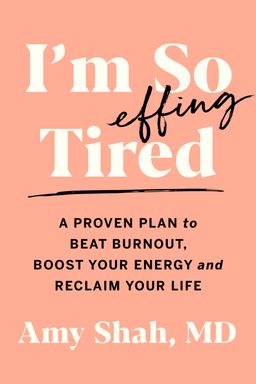
I''m So Effing Tired cover

I''m So Effing Tired

by Amy Shah

In ''I''m So Effing Tired,'' Amy Shah unveils the secrets to overcoming chronic exhaustion by balancing your body''s energy trifecta: hormones, gut health, and immune system. With practical advice on diet, stress management, and lifestyle changes, this book empowers you to reclaim your vitality and live energized.

Rebuilding Energy Through the Body’s Trifecta

Why do you feel tired even when your lab tests look normal? Amy Shah argues that the answer lies in an interdependent network she calls the energy trifecta—the intersection of your hormones, gut microbiome, and immune system. These three systems constantly communicate; when one falters, energy leaks across the whole network. To rebuild energy, you must restore balance among all three, not chase single fixes like thyroid pills or supplements.

Three Systems, One Energy Economy

Your hormonal system governs metabolism, stress response, and reproduction. It acts through a hierarchical 'hormonal highway' beginning in your hypothalamus and pituitary—master glands that direct signals to the thyroid, adrenals, ovaries, and testes. When this control center is disrupted by poor sleep, chronic stress, or irregular meals, downstream energy production falters.

Your gut microbiome is a vast ecosystem that digests food, manufactures neurotransmitters, and trains immunity. When microbial diversity declines (from processed food, antibiotics, or environmental toxins), the gut becomes permeable, triggering immune activation and nutrient loss. Think of Emily, whose Frappuccino habit provoked gut irritation and fatigue—an everyday example of dysbiosis draining vitality.

Finally, your immune system is the body’s defense network. When chronically inflamed, it acts like a stuck alarm consuming continuous energy. This drains hormonal reserves and weakens the gut barrier, completing a self-perpetuating loop of fatigue and inflammation.

Why Single-Factor Fixes Fail

Amy reframes fatigue as network failure, not organ failure. Taking only thyroid medication or only probiotics will yield modest gains if you ignore cortisol overload or inflammation. The trifecta approach instead treats food, hormones, and lifestyle as a unified system. Katie and Mary—two of Amy’s patients—illustrate how subtle dysfunction in all three domains manifests as exhaustion, cravings, and poor resilience even when their labs appear fine.

As she explains, when stress elevates cortisol, the hormonal highway ‘traffic’ backs up, starving other signals like thyroid hormones. That disruption feeds gut imbalance and chronic immune activation. Within weeks, the body’s energy economy collapses. Fixing fatigue therefore means restoring synchronized signaling across the trifecta.

The Lifestyle Lens

Amy’s method integrates three lifestyle pillars: anti-inflammatory nutrition, circadian fasting, and effective stress management. Instead of treating fatigue like a lab anomaly, you audit your daily behaviors—meal timing, sleep quality, exercise intensity, and stress habits. Each pattern either stabilizes or destabilizes the trifecta.

She compares this approach to restoring a symphony: the conductor (your hypothalamus) needs aligned instruments (your gut microbes and immune cells). Once you coordinate that harmony through rhythm, nutrition, and recovery, vitality naturally returns. Patients regain energy not by chasing supplements but by restoring systemic coherence.

Key takeaway

Fatigue is rarely a single-gland issue. It’s a network problem. Healing requires balancing hormones, repairing the gut, calming inflammation, and syncing habits with your body’s natural rhythms.

Across the book, Amy Shah connects science with practical examples—Mary’s cortisol traffic jam, Emily’s gut reset, Katie’s trifecta dysregulation—to demonstrate how modern lifestyle quietly fragments our internal systems. Her goal is not perfect lab results, but restored vitality through integrated repair. You treat energy like currency: earn it through food, sleep, and balance; protect it through good stress management; invest it across all three systems for lasting returns.


Hormonal Highway and Cortisol Balance

Hormones operate more like a highway than isolated roads. From the hypothalamus and pituitary, chemical messages direct thyroid, adrenal, and sex hormone output. Amy Shah teaches you that disruption in one lane—often stress-induced cortisol overload—creates a systemic traffic jam. That’s why endless fatigue or menstrual irregularity often coexist with digestive issues and cravings.

Master Control and Downstream Effects

The hypothalamus sits at air-traffic control. When late nights or anxiety distort circadian rhythm, signals to the pituitary misfire and trigger a cascade of hormonal confusion. From low thyroid output (as in Jennifer’s case) to high cortisol (Sara’s pattern), you feel tired and wired simultaneously. The adrenals become overworked from chronic fight-or-flight activation. Over time, receptor burnout replaces the misleading label of 'adrenal fatigue'—Amy rebrands it correctly as cortisol dysregulation.

She debunks ‘adrenal fatigue’ myths: your glands rarely fail outright except in Addison’s disease. Instead, you live with cortisol spikes at wrong times—high in the evening, low in the morning—and these unstable patterns drain vitality. Sara’s 4:30 a.m. CrossFit plus prolonged work exhaustion illustrated classic sympathetic overdrive. Amy swapped extreme workouts for restorative movement and saw energy rebound within weeks.

Practical Corrections

  • Restore circadian rhythm: sleep 7–9 hours in darkness and avoid eating late.
  • Use breathing practices (six-count in, six-out) and midday pauses to drop cortisol.
  • Swap daily high-intensity workouts for calmer walking or yoga until cortisol curves normalize.
  • Track energy patterns and symptoms rather than fixating on one cortisol or thyroid lab result.

Amy’s method favors lifestyle over pills. Supplements like ashwagandha or rhodiola can help, but they’re not cures. The deeper prescription is rhythm—timed food, restorative sleep, and manageable exercise—to coax hormones back to sync. You learn to read your body’s symphony rather than chasing isolated blood results.

Key message

Stress misaligns the hormonal highway; the fix is rhythm and recovery, not stimulant regimens. When cortisol flows correctly, energy follows.

This hormonal understanding underpins all of Amy’s protocols. Once you realize that fatigue stems from communication breakdown—between cortisol, thyroid, and sex hormones—not gland exhaustion, you start living in alignment. The change isn’t magical; it’s mechanical. Your body can finally cooperate across its multiple lanes of communication.


The Gut as the Core of Energy

Amy Shah’s message about the gut is straightforward but profound: energy begins here. Your microbiome controls digestion, hormones, and immunity. When it’s damaged, fatigue becomes inevitable. A well-fed gut, rich in microbial diversity, enables hormonal balance and reduced inflammation—the invisible anchor of steady vitality.

Microbial Ecosystem and Dysbiosis

You host about 100 trillion microbes whose collective genome drives metabolism and immunity. These organisms convert fiber and resistant starch into short-chain fatty acids (SCFAs) like butyrate, which calm inflammation and energize cells. When modern diets or antibiotics erode diversity, the intestinal barrier becomes leaky and immune alarms persist. Amy calls this the beginning of the exhaustion loop—your body spends energy managing inflammation instead of generating it.

Emily’s story illustrates it: a daily sugar-heavy routine led to gut permeability, rashes, and fatigue. Simple changes—eliminating the Frappuccino and adding fiber and fermented foods—repaired her microbiome and restored energy. You rarely need expensive stool tests; symptoms tell the story.

Feeding and Seeding the Microbiome

  • Add prebiotic fibers: asparagus, leeks, garlic, chicory root, green bananas, beans.
  • Include fermented foods: kimchi, miso, sauerkraut, tempeh; even quick home ferments work.
  • Avoid antibiotics unless needed and rebuild afterward through diet.
  • Limit sugar and refined carbs that feed harmful species.

Amy distinguishes prebiotics (fertilizer) and probiotics (seedlings). The synergy between them rebuilds microbial balance—the fastest way to fix energy. She links this to hormonal health through the estrobolome, gut microbes that recycle estrogen. When the estrobolome falters, estrogen dominance and fatigue surface. Improving gut ecology thus becomes a hormonal therapy.

Core idea

Restore microbial diversity and you restore metabolic intelligence. A healthy gut is the switchboard connecting hormones and immune calm.

If you start anywhere, start with the gut: plant fibers five times daily, fermented foods daily, and less sugar always. In days, symptoms may shift; in weeks, your body can reprogram its entire communication network. This is the foundation of Amy Shah’s energy architecture.


Inflammation: The Hidden Energy Drain

Inflammation protects you in emergencies but quietly sabotages you when chronic. Amy Shah explains that low-grade inflammation keeps the immune system running 24/7, consuming energy reserves meant for repair and cognition. This subtle drain explains fatigue, brain fog, and metabolic sluggishness common in modern life.

Acute vs. Chronic Activation

Acute inflammation heals wounds quickly; chronic inflammation keeps alarm cytokines circulating indefinitely. Diets rich in sugar, refined oils, and environmental toxins sustain this state. Amy shows through Sally’s case—a processed-food lifestyle turned her body into an emergency zone—that energy deficits often mimic metabolic disease.

The Modern Causes

  • Industrial omega-6 oils (corn, soybean, palm).
  • Excess sugar and processed foods.
  • Poor sleep and unresolved stress elevating cortisol.
  • Environmental toxins and antibiotic overuse.

Chronic inflammation shortens telomeres, drives insulin resistance, and accelerates aging. Studies like PREDIMED confirm Mediterranean diets—high in plants, healthy fats, and antioxidants—reduce these risks. Amy calls inflammation the ultimate energy thief: if you silence it, everything improves.

Practical focus

To heal fatigue, prioritize anti-inflammatory food, deep sleep, and stress reduction. It’s not exotic science—it’s everyday biology.

Amy’s anti-inflammatory framework merges research and realism. Remove triggers, rebuild with plants and omega-3s, and let immune calm restore the biochemical peace your body has been missing.


Circadian Fasting and Meal Timing

Timing matters as much as content. Amy Shah introduces circadian fasting—aligning meal windows with the body’s internal clock—to optimize digestion, hormones, and metabolic energy. Instead of skipping breakfast aggressively, she teaches eating within daylight and fasting overnight for natural rhythm.

Science of Biological Timing

Every organ operates on a clock controlled by light. Eating late disrupts melatonin and insulin signals. Research by Dr. Satchin Panda (referenced by Amy) shows identical calorie intake yields different outcomes depending on timing—early eaters remain leaner and metabolically younger. Melatonin at night shuts down pancreatic insulin, so late dinners raise sugar and fat storage.

Implementing Circadian Rhythm

  • Start with 12-hour fasts (e.g., 7 p.m.–7 a.m.).
  • Gradually extend to 14–16 hours three to four times weekly.
  • Finish meals 2–3 hours before bedtime.
  • Eat the bulk of calories earlier and get morning sunlight.

Amy’s two-week WTF plan uses this crescendo structure: gentle fasts progressing to longer windows. Women, shift workers, and the stressed are advised moderation—energy repair requires flexibility, not deprivation. Sylvia’s example shows benefits: once she adjusted late-night workouts and dinners, her sleep and energy stabilized quickly.

Essential point

Eating aligned with light cycles turns fasting into a restorative rhythm, activating autophagy and mitochondrial repair without strain.

You learn fasting as rhythm therapy—metabolic weightlifting for cells. By syncing meals to day and sleep to night, you unlock effortless repair and steady energy instead of battling fatigue through restriction.


Food as Daily Medicine

Food is Amy Shah’s primary lever for energy restoration. Her WTF plan builds from a Mediterranean-style baseline—mostly plants, healthy fats, and high fiber. Food isn’t a punishment; it’s a pharmacy. Every meal sends chemical signals to hormones and microbes. When you eat right for the trifecta, energy stabilizes and inflammation declines.

The Plant-Forward Blueprint

Aim for 90 percent plant foods and 10 percent flexibility. Six to eight servings of vegetables daily—especially prebiotic greens like leek, garlic, asparagus—feed gut flora. Fiber is your new currency. Ancient humans ate five times more fiber, giving them the microbial balance we’ve lost. Instead of counting calories, count fiber grams.

Anti-Inflammatory Additions

  • Use turmeric with black pepper and oil for activation.
  • Add ginger, garlic, and cinnamon for digestion and blood-sugar support.
  • Combine flaxseed, chia, or hemp hearts for omega-3s and fiber synergy.

These foods rebuild gut integrity and quell inflammation naturally. Amy favors tea—especially green or oolong—for polyphenols and cortisol lowering. Hydrate fully (around 80 ounces daily) and prefer warm water to wake digestion. Her recipes—Gut Smoothie, Chia Pudding, Turmeric Dressing—translate theory into daily rooms of recovery.

Simple rule

Plants first, fiber foremost. You feed good microbes, balance hormones, and sustain clean energy without starvation.

Food in Amy Shah’s framework is no longer about restriction—it is rhythmic nourishment to reverse burnout. The kitchen becomes your daily clinic, and your plate your pharmacy for hormonal and gut repair.


Stress, Sleep, and Ener-chi

Energy isn’t just biochemical—it’s emotional and environmental. In her concept of Ener-chi, Amy Shah shows how sleep, relationships, and stress rituals determine your daily energy bank. You deposit vitality through rest and restoration; you withdraw it through toxicity and overextension. This final pillar connects mind-body balance to the trifecta repair.

Protecting Energy Deposits

Amy uses a metaphor of an energy bank account. Make an ‘in list’—things and people who recharge you—and an ‘out list’ of drains. Outsource chores, reduce social media, and set boundaries with negative influences. She personally stopped pre-dawn workouts and saw her fatigue vanish. Attention is currency; spend it wisely.

Sleep as King

Sleep is the highest-yield energy investment. Nine hours nightly rebuild hormonal and immune balance. Sleep deprivation spikes cortisol and blood sugar even without food intake—a hidden stress loop. Darkness and temperature control (60–68°F) trigger melatonin and repair cycles. A device shutoff two hours before bedtime may do more for energy than any supplement.

Everyday Restoration Rituals

  • Practice three deep breaths (six counts each) several times daily.
  • Spend minutes in nature or silence to lower inflammation.
  • Use saunas or yoga sessions to improve circulation and relaxation.

Amy cites Finnish sauna research linking heat exposure to reduced cardiovascular and Alzheimer’s risk, showing renewal isn’t luxury—it’s biological necessity. When you combine these rituals with meal timing and gut health, energy restoration becomes holistic—not a diet but a recalibration of lifestyle.

Final insight

Energy comes from balance, not exertion. Sleep, boundaries, breath, and aligned habits refill your internal battery.

Amy Shah ends her program with integration: gut and hormonal repair mean little without emotional rest. Ener-chi redefines wellness as calm vitality—a life rhythm that sustains health beyond lab metrics or diet fads.

Dig Deeper

Get personalized prompts to apply these lessons to your life and deepen your understanding.

Go Deeper

Get the Full Experience

Download Insight Books for AI-powered reflections, quizzes, and more.