
Idea 1
The Science and Practice of Being Happy
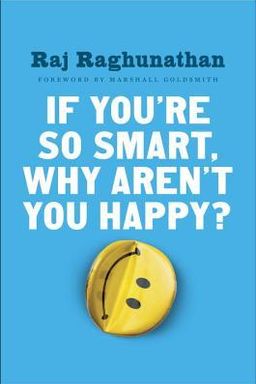
Why do smart, accomplished people often feel less happy than they could be? In Raghunathan’s framework for happiness, the paradox lies not in wanting the wrong things but in choosing against happiness in daily life. Through decades of behavioral research, he reveals that happiness is not elusive—it’s often neglected due to biased thinking and misplaced priorities.
The book’s central argument is that happiness results from adopting six counterintuitive habits that realign your goals, relationships, and beliefs. You must move from a scarcity mindset—where fear drives competition and control—to an abundance mindset, where trust, giving, mastery, and meaning flourish. Across the chapters, Raghunathan calls the common obstacles the 'seven deadly happiness sins': devaluing happiness, chasing superiority, needing rather than loving, overcontrolling, distrusting, obsessing about outcomes, and overthinking. Each sin has an antidote habit that restores well-being and effectiveness.
The fundamental happiness paradox
Raghunathan’s opening thought experiment—the Genie Question—illustrates how people claim happiness is a top life goal but rarely choose it first. When offered any wish, most select money, fame, or relationships. Yet, in structured surveys, 'being happy' ranks among the top goals. The mismatch arises because happiness feels abstract. You can picture a mansion more easily than a mood. That concreteness bias, merged with cultural myths ('happy people are lazy' or 'success comes before happiness'), keeps you pursuing substitutes—money, control, and admiration—while neglecting the main prize.
The fix begins by making happiness concrete and actionable: defining what it means to you (love, joy, harmony, pride) and consistently reminding yourself to choose options that nurture those feelings. In his corporate studies, even weekly email nudges—'remember to choose happiness'—produced measurable increases in employee satisfaction and engagement. Prioritize happiness deliberately, but do not obsessively chase it; pursuit through comparison backfires, while prioritization shapes choices constructively.
From scarcity to abundance
The thread running through the book is a transition from scarcity (fear, defense, competition) to abundance (trust, curiosity, generosity). It permeates how you seek mastery, belonging, and autonomy—the psychological triad of well-being. When mastery manifests as superiority, belonging as neediness, or autonomy as control, you suffer. But when mastery becomes flow, belonging becomes giving, and autonomy becomes self-regulation, happiness naturally follows.
Abundance is not passivity. It’s a choice to engage meaningfully while holding outcomes lightly. The scientific evidence is strong: happy people are not lazy; they’re more creative, healthier, more effective, and more collaborative. Evolution wired you to survive through vigilance and competition—but modern flourishing demands transcending those instincts. Raghunathan’s framework teaches you how.
Building sustainable happiness habits
Each of the remaining ideas in this synthesis corresponds to a happiness practice. Together they form a system that complements rather than contradicts success. The path to higher well-being is not quitting ambition but reorienting ambition toward experiences that also sustain happiness. You’ll learn to pursue flow over superiority, love over neediness, internal control over external domination, and trust over fear. You’ll also see how mindfulness, self-awareness, and 'smart trust' multiply these effects.
Core premise
Happiness is not a mood to pursue but a by‑product of living well. By prioritizing intrinsic goals, nurturing connection, exercising smart trust, and approaching life with mindful curiosity, you create an upward spiral of fulfillment, success, and purpose.
Across the book, Raghunathan positions these shifts not just as personal improvements but as social imperatives. When happy people act from abundance, they elevate workplaces, communities, and economies. The journey from smart and successful to happy and wise begins with choosing happiness as your compass—and then learning, patiently and rigorously, how to follow it.