
Idea 1
Finding Freedom Within the Cage of Identity
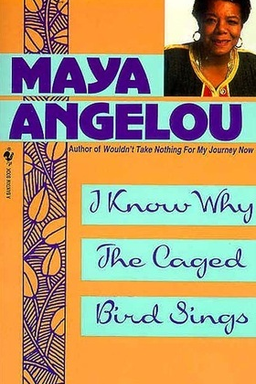
How do you find your voice when every force around you tries to silence it? In I Know Why the Caged Bird Sings, Maya Angelou explores this aching question through her own life story — a journey from displacement and trauma to strength and self-definition. The book contends that freedom doesn’t come by escaping external constraints but through reclaiming your voice, your dignity, and your power to interpret your own experience. Angelou’s memoir isn’t just an account of growing up under racial and social oppression — it’s about the indomitable human capacity for transformation.
Angelou argues implicitly that identity is forged in contradiction: to be both caged and free, wounded and resilient, is the paradox of becoming. Her story — from a small Southern town during the Depression to the bustling cities of St. Louis, San Francisco, and Mexico — mirrors the struggle of so many who navigate oppression, abuse, and self-doubt to find personal liberation. At its heart, the book asks whether one can create meaning from pain, or whether pain inevitably defines us.
The Power of Voice and Silence
From the opening scenes in Stamps, Arkansas, silence is both shield and prison for young Marguerite. After her rape by Mr. Freeman, silence becomes her refuge; she stops speaking for years because she believes her words can kill. Yet it’s through the rediscovery of voice — through poetry, language, and the mentorship of Mrs. Flowers — that she finds healing. Angelou equates voice with identity: to speak is to exist. The metaphor of the caged bird, adapted from Paul Laurence Dunbar’s poem “Sympathy,” underscores this theme. The caged bird sings not because it is free but because song is its only form of freedom.
The Historical Cage
The book reflects both the personal and historical contours of the Black experience in mid-20th-century America. Stamps, Arkansas is segregated, hierarchical, and oppressive — a microcosm of Jim Crow. Angelou’s observations of the cotton-picking season, the powhitetrash taunts, and the humiliation of her grandmother by whites reveal how systemic racism distorts everyday life. Yet even within these structures, Angelou’s grandmother, Momma Henderson, manages dignity and power. She becomes a model of endurance rooted in faith and discipline. In the same way, language and learning — whether the multiplication tables with Uncle Willie or Shakespeare whispered in secret — become acts of resistance.
Female Strength and Survival
Angelou doesn’t romanticize Black womanhood; she reveals its contradictions. Momma’s dignity coexists with fear; Vivian Baxter (Angelou’s mother) embodies glamour and independence but also volatility. The book redefines what strength looks like for women: not perfection, but persistence in the face of violation, humiliation, and cultural expectation. Angelou shows how the women around her — from Mrs. Flowers to Vivian Baxter — model a kind of strategic empowerment where survival is an art form. (As in Toni Morrison’s The Bluest Eye, beauty becomes a site of both pain and resistance.) Ultimately, Angelou discovers that to be a woman and to be free are intertwined acts of courage.
Art, Education, and Transformation
Mrs. Bertha Flowers teaches Marguerite that words hold transformative power. Reading and reciting poetry becomes a form of rebirth. Books — from James Weldon Johnson’s “Lift Ev’ry Voice and Sing” to Shakespeare’s sonnets — are woven throughout her development as lifelines to meaning. Her education, both formal and through experience, is what allows her to rise from victimhood to agency. The graduation scene, one of the most haunting in African American literature, captures this movement perfectly: the racist speech by a white man reduces her classmates to despair, but the recitation of the Negro national anthem revives their collective pride. The song turns humiliation into hope — proof that art can restore dignity even when the world denies it.
Why It Matters
Angelou’s memoir is ultimately about how people reclaim power through imagination, love, and persistence. In the face of racism, sexism, and poverty, individuals can still shape meaning. Her journey from silence to song models how personal experience can lead to creative awakening — how the self that survives trauma can not only endure but triumph. The book invites you to ask: where do you find your own cage, and how do you sing within it? In emphasizing both containment and transcendence, Angelou points toward the universal human story — that the song of freedom begins, always, from inside the cage.