
Idea 1
The Mosaic Mindset: Reimagining Time, Work, and Life
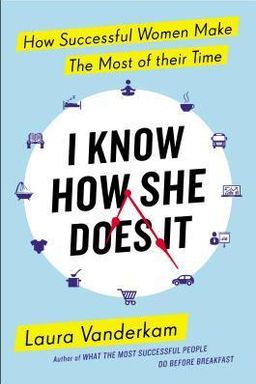
What if your busy, chaotic life isn’t broken—but simply misarranged? In I Know How She Does It, Laura Vanderkam invites you to reimagine time not as a trap but as a mosaic—a creative, flexible art form you get to design. Instead of reacting to life’s relentless demands, Vanderkam argues that you can have it all if you learn to see, measure, and rearrange the small tiles of time that compose your days and weeks. Her core idea: a full life isn’t an impossible ideal or a balance that’s constantly tipping—it’s a pattern you craft intentionally, tile by tile.
The book builds on Vanderkam’s earlier works (168 Hours, What the Most Successful People Do Before Breakfast) and expands them through data from her “Mosaic Project”—a time diary study of 1,001 days in the lives of 143 women earning over $100,000 a year who were raising children. Unlike popular cultural narratives that claim women “can’t have it all” (as Anne‑Marie Slaughter once argued in The Atlantic), Vanderkam reveals that many successful women actually do manage both big careers and rich personal lives. They aren’t superhuman or secretly miserable—they’ve simply mastered time differently.
The Myth of the Harried Modern Woman
From viral essays and media stories, we’ve absorbed the idea that ambitious women are doomed to be frazzled, torn, and stretched too thin. Vanderkam dismantles that assumption by looking at real time logs instead of anecdotes. She found that even women with demanding professions worked fewer hours than they claimed—most around 44 hours per week, not 80—and slept nearly eight hours nightly. They also spent substantial time with family: 35 to 40 hours weekly, roughly equal to a full-time job. These insights show that the popular “maxed-out” narrative is based on exaggeration, not empirical reality.
When we focus on isolated dark moments—a missed birthday, a chaotic flight—we lose sight of the bigger picture. Our brains, wired for loss aversion, remember stress more vividly than bliss. Vanderkam urges readers to broaden their time lens: not 24 hours but 168 hours per week. Over a week’s mosaic, you can see the mix—work, family, rest, and joy—that defines the real “good life.”
Life as a Mosaic, Not a Balancing Act
Vanderkam’s metaphor of the mosaic frames everything. Each tile—an activity, interaction, or hour—reflects your priorities. The goal isn’t to create perfect symmetry but meaningful harmony. She writes, “The box holds all these things and more.” Work, love, parenthood, friendships, leisure—they can coexist if you place the tiles consciously. Instead of chasing “balance,” an elusive midpoint, she recommends designing your week to align with your values. That might mean split shifts of work and parent time, morning workouts, or weekend leisure. Seen as a mosaic, time feels abundant, not scarce.
Data Over Drama: The Mosaic Project
Her study’s methodology is refreshingly rigorous. Participants logged their time in 30‑minute increments, detailing work, sleep, child care, chores, and personal activities. The results revealed large variations but one constant: people’s lives are far more manageable than they assume. Many apparent compromises—like high‑earning mothers missing occasional bedtimes—balanced out across the week. They kissed sleeping children some nights but read bedtime stories more often than stay‑at‑home parents did. Looking at data over anecdotes exposes the hidden abundance within a full life.
Redefining “Having It All”
Vanderkam reclaims the phrase “having it all” from cynicism. For her, abundance doesn’t mean perfection—it means agency. You decide what “it all” means to you and distribute your 168 hours accordingly. She encourages readers to reject guilt and scarcity thinking: you don’t need to choose between paychecks and dandelions, professional ambition and family tenderness. The women in her study pursued challenging careers while living vibrant personal lives filled with skiing trips, Pokémon cakes, and bedtime stories. They aren’t outliers; they simply view time differently.
Celebrating Abundance and Perspective
Ultimately, I Know How She Does It isn’t a manual of efficiency—it’s a philosophy of possibility. Vanderkam asks us to approach time as an artist approaches a canvas, crafting the picture we want to see. Her message: abundance is real, but only if you notice it. Record your own week; study its pattern. You’ll find more space than you imagined for love, leisure, and meaningful work. “The berry season is short,” she reminds us in her opening story about a strawberry-picking day with her children. “I believe in filling it with all the joy that is possible.”
That spirit defines her mosaic mindset—a practical but poetic call to stop lamenting choices and start celebrating the fullness of life. The rich hours are already there. You just have to place their tiles with care.