
Idea 1
Finding Strength in the Storms of Life
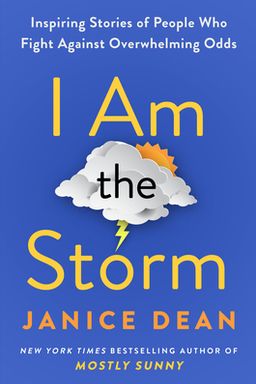
What do you do when life throws you into the eye of a storm? Do you crumble under the force of adversity, or do you find the courage to rise? In I Am the Storm, Janice Dean—known to millions as Fox News’ ever-optimistic meteorologist—argues that resilience is not just about surviving the storm but learning to become it. Through real stories of ordinary heroes, Dean explores how courage, truth, and perseverance can transform pain into purpose.
Dean contends that personal hardship, injustice, and tragedy can forge remarkable strength when faced with compassion and determination. Her message is clear: every person carries a “David” within themselves capable of facing down the “Goliaths” of life—whether that giant is a corrupt institution, a personal illness, or a national crisis. The book’s heartbeat lies in the belief that authenticity and justice emerge only when we refuse to be silenced by fear.
From Meteorologist to Advocate
Dean’s own story anchors the book. She shares her transformation from a smiling TV weather forecaster, battling multiple sclerosis in private, to a national advocate demanding justice after her in-laws died in New York nursing homes during the COVID-19 pandemic. Her grief turned into action when she confronted Governor Andrew Cuomo’s administration, which she argues covered up fatal policy decisions. Dean shows how tragedy forced her out of the comfort of neutral reporting and into the discomfort of truth-telling.
That personal awakening sparked a larger conversation about truth, transparency, and moral courage. Dean connects her experience to others who also found themselves unwilling soldiers in moral battles—parents, nurses, soldiers, whistleblowers, athletes, and everyday citizens who transformed despair into purpose. Together, these stories reveal that advocacy doesn’t always require a title—it begins with standing up.
Ordinary People, Extraordinary Courage
Each chapter in I Am the Storm highlights a real figure embodying courage. From Shelley Elkington, a mother fighting the opioid crisis after her daughter’s death, to Assemblyman Ron Kim challenging Cuomo’s power from within his own political party, to gymnast Andrea Orris exposing systemic abuse in athletics, Dean reveals how small voices together create powerful change. These people didn’t plan to lead revolutions—they were pushed by pain into bravery.
Some fight institutional injustices: Jennifer Sey, the Levi’s executive fired for criticizing school lockdowns, or nurse Arlene Simmons, who risked her life during the pandemic. Others face personal tests: horse trainer Eric Reed winning the Kentucky Derby against all odds, or retired Green Beret Scott Mann rescuing Afghan allies after the U.S. withdrawal. Each story amplifies Dean’s message that storms—whether political, emotional, or spiritual—reveal character.
The Metaphor of the Storm
Dean uses weather as a constant metaphor. Just as meteorologists read patterns to predict outcomes, individuals can learn to detect the warning signs of personal and societal crises. Facing storms becomes an act of moral meteorology: knowing when to seek shelter, when to rebuild, and when to stand firm in the eye of chaos. As Dean writes, “The question is not whether storms will come—they always do. The question is: who will you be when they arrive?”
Like Viktor Frankl in Man’s Search for Meaning or Brené Brown in Daring Greatly, Dean reframes suffering as a forge for purpose. The power of the storm isn’t in its destruction but in the clarity that comes after. Through each hardship—illness, injustice, loss—emerges wisdom, gratitude, and a compass pointing toward service.
Why This Story Matters
In an era dominated by cynicism and partisanship, I Am the Storm offers a unifying truth: integrity, compassion, and persistence can transcend politics. The book invites you to ask yourself: What battle are you avoiding? Which truth could you tell if fear didn’t silence you? Dean shows that courage doesn’t always roar; sometimes it whispers, “Keep going.”
By the end, you don’t just witness other people’s resilience—you feel it awaken in yourself. Like the lighthouse keepers of her final chapter, Dean reminds readers that being a beacon in dark times doesn’t require perfection. It requires only the courage to shine when others can’t. When fate whispers, “You cannot withstand the storm,” Dean’s book teaches you to whisper back: “I am the storm.”