
Idea 1
Crisis of Leadership and the Politics of Pandemic
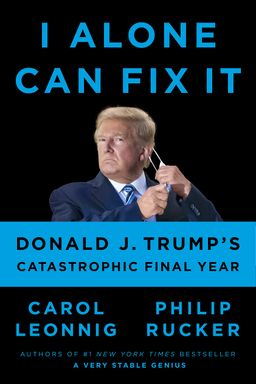
Imagine receiving a warning that could save millions of lives, yet watching it stall amid politics, ego, and confusion. That’s where this story begins—and where its core argument lies. The book argues that the coronavirus pandemic and its political aftermath reveal a crisis of leadership in which scientific truth, constitutional order, and ethical restraint repeatedly collide with power’s temptations. You watch how small ignored emails, contradictory statements, and broken trust lines accumulated into a global disaster, and how political figures treated public health as just another campaign narrative. At its heart, this book is not only about a pandemic; it’s about how power handles truth under pressure.
From missed warnings to political detours
You first see a cascade of missed alarms. As early as December 31, 2019, CDC director Robert Redfield flagged "unexplained pneumonia" from Wuhan as significant. His attempts to send a CDC team to China, joined by Tony Fauci and Matt Pottinger’s concern about person-to-person spread, met bureaucratic silence. China’s own opacity compounded the issue—labs were shut down for posting findings, and WHO echoed Beijing’s optimistic denials of transmission. Those early days set up a critical theme: science was present; political systems muted it. The virus entered the U.S. as officials debated optics, testing costs, and public calm rather than prevention.
The political lens replaces the scientific one
At every turn, decisions were filtered through political self-preservation. President Trump’s focus on the 2020 campaign, trade victories, and public image shaped emergency decisions—from travel bans timed for headlines to delays in declaring emergencies. Public communications sought to project strength (“We have it totally under control”) even as private calls among officials grew frantic. You realize that what slowed America’s scientific reaction was not lack of knowledge, but an insistence on narrative control. (Note: historians often frame this period like the space shuttle disasters—where signals of danger were technically clear, but institutionally ignored.)
A portrait of fragmentation
The West Wing fractured into rival fiefdoms. Jared Kushner’s volunteers sidelined agencies; Alex Azar clashed with Robert Redfield; and Vice President Pence took over press messaging while scientists like Fauci and Deborah Birx were censored or contradicted. Nancy Messonnier’s candid forecast about “community spread” tanked markets—and prompted the White House to silence her. Science became a political liability. The administration’s structure—layered with loyalty tests, media calculations, and shifting command lines—illustrates a system designed for power maintenance, not national coordination. (This mirrors other historical cases where institutions under stress—like late-stage Nixon or pandemic-era Brazil—devolve into competing internal governments.)
Science under siege and credibility collapse
Testing failed early—CDC kits were faulty, FDA approvals lagged, and White House anger escalated. The search for miracle cures (hydroxychloroquine, convalescent plasma) exposed political pressure overriding evidence. FDA head Stephen Hahn was berated to approve treatments prematurely. Experts warned against unverified claims, yet nightly television turned medical debate into partisan sport. The collapse of consistent messaging—especially through attacks on Fauci and praise for fringe voices like Scott Atlas—transformed public health into ideological theater. You come to see how disinformation and distrust can spread like pathogens themselves.
Institutional resilience—and its limits
Despite chaos, institutions occasionally reasserted limits. Military leaders like Mark Milley resisted using troops to suppress protests; Attorney General Barr, while politically pliant, ultimately told the truth about the lack of election fraud; and courts dismissed dozens of baseless legal challenges. Yet even these boundaries were tested through threats, firings, and conspiratorial rhetoric. Across the book, you see how democratic survival depends less on any president’s virtue than on whether agencies and individuals uphold norms under duress. The story’s closing moments—Biden’s inauguration under troop guard and Trump’s continued claims from Mar‑a‑Lago—show both sides of that equation: endurance and denial.
Key understanding
What unites everything—from Wuhan to Washington, Lafayette Square to the Capitol—are recurring themes: the tension between truth and loyalty, the fragility of institutional integrity, and how misinformation breeds not just confusion but violence. The book invites you to ask whether a nation addicted to grievance can still act collectively when the alarm sounds next time.