
Idea 1
The Humanist Thread: A Seven‑Century Conversation
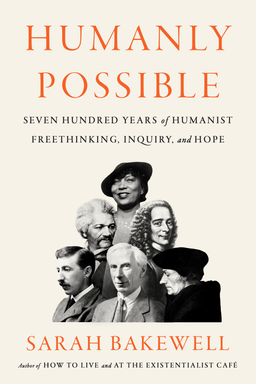
What connects a medieval scholar saving a Latin scroll, an Enlightenment reformer defying a king, and a twentieth‑century activist demanding equality? The answer, this book argues, is a living humanist tradition — a conversation grounded in reason, empathy, and the conviction that human life and dignity are the ultimate measure of value. Across seven centuries, humanism evolves from a literary recovery of the ancient world into an inclusive ethical framework for the modern one.
Humanism as a plural heritage
Humanism begins as a cluster of overlapping practices rather than a dogma. In fourteenth‑century Italy, figures like Petrarch and Boccaccio rediscover classical texts and revive moral eloquence (the studia humanitatis). Yet from the start, the term holds multitudes: it describes a method of study, a secular moral outlook, a religious reform impulse, and a civic philosophy that privileges human agency over divine fiat or abstract systems. Whether in the monastery, the printing shop, or the courtroom, humanism centers on the human capacity to learn, judge, and care.
The three pillars: freethinking, inquiry, and hope
Across its many forms, humanism rests on three recurring principles. Freethinking means trusting conscience and evidence more than tradition; inquiry names the relentless study of texts, nature, and experience; and hope affirms that through understanding and cooperation, human beings can improve their world. These pillars unite ancient skeptics like Protagoras and Epicurus, Renaissance editors like Lorenzo Valla, freethinkers like Robert Ingersoll, and modern secular organizations promoting global rights.
From manuscripts to movements
Renaissance humanism begins concretely: odd‑looking scholars dig through scriptoria and ruins to piece together lost knowledge. By the Enlightenment it expands to encyclopedic projects that map all crafts and sciences. The nineteenth century adds a moral dimension—people like Feuerbach, Renan, and Comte seek to preserve ethical and communal warmth once traditional religion wanes. The twentieth century transforms humanism from a private ethic into public architecture: UNESCO, the Universal Declaration of Human Rights, and modern humanist associations institutionalize compassion through education, law, and cultural preservation.
A living tradition under pressure
Because humanism questions authority and places human welfare above ideology, it repeatedly meets resistance. From inquisitorial trials against Renaissance scholars to totalitarian censorship and twentieth‑century book burnings, the defense of inquiry carries personal risk. Yet every persecution nurtures renewal: exiled scholars rebuild institutions abroad, and ethical reformers turn suffering into reform. Even utopian projects like Esperanto—Zamenhof’s dream of a neutral world language—spring from that resilient hope that empathy can outlive cruelty.
Expanding the moral circle
Over time, humanism learns from its blind spots. Early Renaissance elites centered learned men; later generations extend dignity and education to women (Wollstonecraft, Harriet Taylor Mill), enslaved persons (Frederick Douglass), and oppressed minorities. The expansion continues into sexual rights, biodiversity, and planetary ethics. In each case the principle remains: if all humans share reason and feeling, all deserve freedom and participation.
Humanism today
Modern humanism operates through diverse channels — manifestos, legal reforms, city planning, and moral campaigns. Its adversary is not just superstition but also dehumanization by technology, nationalism, or ecological neglect. The movement’s challenge, as expressed by thinkers from Russell to Todorov, is to keep the frail craft of humanity afloat: a vessel of reason, art, science, and sympathy that must be steered, repaired, and shared every generation.
Core idea
Humanism is not a static creed but an evolving effort to understand and better the human condition through critical reason, imaginative sympathy, and cooperative action. It values books, bodies, and communities as arenas of meaning — and measures every system by whether it helps people live and flourish together.