
Idea 1
Balancing Connection and Solitude in Modern Life
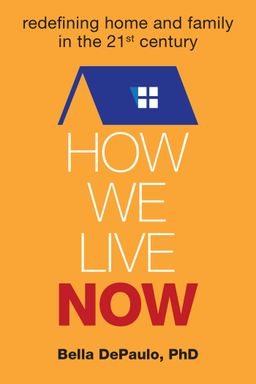
Have you ever found yourself craving some quiet time, only to feel strangely uneasy when left completely alone? This tension between sociability and solitude is at the heart of Finding the Perfect Balance Between Sociability and Solitude, a thoughtful exploration of how the ways we live—our homes, neighborhoods, and family structures—shape our emotional and social well-being. The book argues that there is no one-size-fits-all formula for the perfect living arrangement. Instead, each person must navigate their unique threshold for connection and independence to design a fulfilling life.
The author contends that modern life, with its dizzying mix of technology, mobility, and cultural change, has made this balance harder but more important than ever. You might live alone in a high-rise apartment, share a home with aging parents, participate in a cohousing community, or co-parent without marriage. Each of these arrangements reflects different strategies for managing intimacy, autonomy, and responsibility.
Solitude vs. Sociability: The Personal Equation
At the foundation of the book is the idea that solitude and sociability are not opposites but two sides of the same human need. Some people recharge best alone—total silence, no companionship—even the quiet presence of others may drain them. Others find silence stifling, preferring soft reminders of company like footsteps in the hall or voices from another room. These variations emerge from personality, culture, and even life stage, suggesting that your preference may evolve over time as responsibilities and desires shift.
This difference matters because the spaces you choose to inhabit—shared housing, apartments, multigenerational homes—directly affect your access to solitude and community. Even architecture and interior design can amplify or limit these energies. The point is, balance isn’t about escaping from others or forcing togetherness—it’s about being intentional about the kind of connections you cultivate.
The Resurgence of Multigenerational Living
One major theme in the book is the return of multigenerational households. Contrary to the notion that families are losing relevance, young adults are increasingly living with parents—for financial reasons, educational pursuits, or simply because they enjoy their parents’ company. Studies show that millennials have more frequent, advice-filled conversations with their parents than previous generations did. Living together provides mutual benefits: economic stability, emotional support, and reciprocal care across generations.
Children raised in such environments often show positive outcomes in education and wellbeing. Elderly family members benefit from companionship and support, while younger adults gain life experience and continuity. This model challenges the assumption that independence means living apart.
New Takes on Communal Living
Beyond family homes, the author introduces cohousing communities—modern villages that combine physical proximity with individual privacy. These communities echo the social energy of old village life but adapt to modern needs through shared spaces and environmentally conscious design. Cohousing allows residents to decide how much interaction they want, whether it’s joining common meals or participating in weekend maintenance tasks. Through voluntary engagement, people find communion without coercion—a model deeply relevant for those seeking middle ground between isolation and overcrowding.
Interestingly, cohousing revives social trust by making incidental encounters normal again—seeing neighbors daily, sharing childcare, and highlighting shared purpose beyond ideology. Many residents describe feeling more supported and less lonely, even while keeping private routines and finances independent.
Rethinking Parenthood and the Definition of Family
The book also explores structural innovations in parenting beyond marriage. With single motherhood rising dramatically in recent decades, modern support networks are evolving. One standout example is CoAbode, a platform connecting single mothers to share homes and resources. This arrangement is not driven by ideology but by practicality and empathy—pooling financial capacity and creating mutual aid for child-rearing. Similarly, non-romantic co-parenting partnerships redefine what a stable environment can look like for children. Despite skepticism, such arrangements can produce thoughtful, well-prepared parents who plan their roles carefully—often more deliberately than conventional couples.
The larger implication: family is no longer defined primarily by marriage or blood ties but by commitment, reciprocity, and shared purpose.
Living Alone as a Modern Milestone
On the other end of the spectrum, living alone is no longer a stigma but a luxury and a lifestyle marker. Social media culture even celebrates it—as a recent Buzzfeed article’s viral success shows. Independent living has grown across the globe: from 10% of U.S. households in 1950 to over 27% today, and nearly half in Sweden. For younger people, solitude represents maturity, autonomy, and self-expression. For seniors, independence comes with interdependence—networked living models like Hope Meadows blend solo living with community service, encouraging older adults to mentor foster children and stay active.
These arrangements demonstrate that living alone doesn’t have to mean isolation. When supported by intentional design and community programs, even solitary living can deepen connection and purpose.
Why This Matters to You
The book’s deeper truth is that human connection and independence are not opposing needs. They are complementary forces that shape our emotional resilience and social identity. Whether you’re choosing to live with family, start a communal project, co-parent in a new way, or embrace solitary freedom, the real work lies in asking: what kind of environment helps me feel both supported and authentic?
By tracing living patterns across generations and cultures, the author reveals a simple but profound insight—our living arrangements are not just background details but reflections of our values. Each choice tells a story about how we see ourselves in relation to others and how we create meaning from everyday space.
The way you live—whether surrounded by family, joined with community, or settled in solitude—is one of the most powerful statements of who you are and how you choose to connect with the world.