
Idea 1
Reading Between the Lines: Why Stories Mean More Than They Say
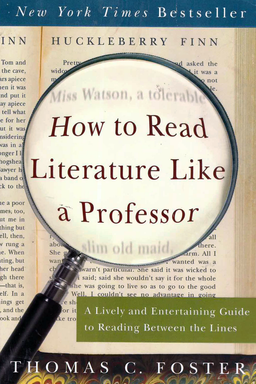
Have you ever closed a book and wondered if you really caught everything the author meant? Thomas C. Foster’s How to Read Literature Like a Professor argues that your instinct is right—there’s almost always more beneath the surface. He insists that writers fill their stories with patterns, symbols, and echoes of older tales that link all literature into one vast conversation about what it means to be human. The trick, he says, is learning to read with new eyes.
The Hidden Architecture of Stories
Foster contends that stories share an underlying grammar—a set of recurring elements that shape meaning. A rainy night isn’t just meteorology; it’s a symbol of cleansing or despair. A meal can become an act of communion. A journey isn’t only travel; it’s a quest for self-knowledge. Writers build their worlds using these archetypal codes, and once you spot them, reading becomes a deeper, richer experience. Every story, he suggests, lives inside an invisible web of earlier stories, myths, and ideas that expand its meaning far beyond the obvious plot.
From Patterns to Myth: The Web of Intertextuality
Foster’s central claim is that all literature grows out of other literature. He shows how writers shape their works through references to the Bible, Shakespeare, fairy tales, myths, symbols, and deep narrative structures. His examples—Joyce’s biblical and mythic echoes, Morrison’s use of flight and baptism, Hemingway’s ironies—create a map of how culture recycles and transforms stories into new forms. Recognizing these patterns lets readers understand how books converse across centuries. The result is not plagiarism but participation in what Foster calls the “one story”—the long human narrative that every writer retells.
Why Reading Deeply Matters
Foster makes a case for reading as an imaginative act not of discovery but of dialogue. When you interpret symbolism or see a biblical reference, you aren’t guessing—you’re engaging in the same creative conversation the author began. To understand a story’s emotional and moral weight, you have to see beyond plot. Literature, he argues, explores love, sacrifice, identity, death, and redemption—universal themes that repeat endlessly because they define human experience. When you learn to recognize how writers manipulate these patterns, you become capable of seeing yourself and your world reflected back through fiction, poetry, and myth alike.
Turning Reading Into Conversation
Ultimately, Foster invites you to become what he calls a “wily old professor”—someone who connects patterns, hears echoes of old stories, and appreciates irony and subtext alongside character and plot. The book doesn’t ask you to memorize terms; it asks you to think like an explorer. Why is this character blind? Why is it raining here? Why does a feast happen before a revelation? Such questions turn reading from passive consumption into active interpretation. You learn to see literature as a living conversation among texts, cultures, and readers, guided by symbols that speak a collective language of meaning and emotion.
Foster’s argument matters because reading the world works just like reading novels. Once you see how symbols and stories interact, everyday life looks layered with significance too. You begin to spot the metaphors shaping films, politics, dreams, or even your own choices. How to Read Literature Like a Professor isn’t only about decoding books—it’s an invitation to decode existence itself. Stories, Foster says, teach us about being human; when you read them deeply, you uncover the invisible threads connecting all of us through art, imagination, and the ages.