
Idea 1
Designing a New Life After Work
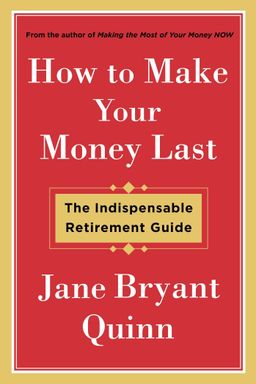
How do you turn the open, undefined years after work into your most purposeful time? In Making the Most of Your Retirement, Jane Bryant Quinn argues that the key to a rewarding later life is combining emotional reinvention with financial realism. Retirement, she contends, is not about withdrawal but about redesigning your life with intention—and to do it well, you must align your lifestyle, income, health, and identity so that purpose and security reinforce each other.
Quinn starts where most financial books don’t: with the human transition. The move from full-time work to freedom can bring joy and disorientation. You lose the daily structure, status, and built-in friendships of a job. She draws on Robert Atchley’s “five stages of retirement”—Preretirement, Honeymoon, Disenchantment, Reorientation, and Stability—to show that almost everyone cycles through an emotional adjustment before achieving equilibrium. The good news: by consciously designing your new routines and roles, you move faster into the stability phase.
Reimagining Purpose and Daily Structure
Purpose rarely arrives by accident. Quinn recommends writing an “idea inventory”—a sprawling list of all the pursuits that once excited you or that you never had time to explore. Then pick one or two to pursue deeply. A single focused commitment—whether teaching, volunteering, or launching a small business—becomes the nucleus around which new friendships and meaning form. She emphasizes social connection as emotional insurance: calendar at least one meaningful activity every day. These anchors—classes, club meetings, or mini-day trips—restore the rhythm that work once gave you and protect against isolation.
Money and Meaning as One System
Quinn weaves financial planning through this life design. Her central idea, “rightsizing,” is not about sacrifice; it’s about matching your desired lifestyle to the income you can count on. You measure real spending, add guaranteed flows (Social Security, pensions, and annuities), calculate a sustainable withdrawal from savings, and decide whether the numbers support your dreams. Rather than chase arbitrary wealth targets, you shape your budget to fund a life that fits reality. If the math doesn’t work, you adjust one of three levers—work longer, reduce expenses, or unlock home equity.
A Complete Financial Ecosystem
Every later-life decision connects: Social Security timing influences taxable income; Roth IRA conversions affect Medicare premiums; and health-care choices shape your budget. Quinn’s chapters tie together these moving parts into an integrated system. “Financial independence,” she says, is achieved when your sustainable income covers your essential spending so that your investing, housing, and insurance decisions revolve around protection—not speculation.
Emotional Agility and Adaptation
Beyond mechanics, Quinn addresses relationships. Couples must renegotiate roles—who retires first, who takes chores, how each preserves autonomy. Her rule is simple: build your own life, not your spouse’s. Emotional balance also means flexibility when the future delivers surprises: health declines, caregiving obligations, or market slumps. Her pragmatic optimism runs through every section: plan hard, but stay elastic. Retirement rewards resilience, not perfection.
The Spirit of Reinvention
Ultimately, Quinn’s message is holistic. Retirement is a creative act—an evolving project that blends money, health, and purpose into independence. Think of it not as an ending but as an open studio where you redesign work, place, and relationships around freedom rather than paycheck. With clarity of purpose and a system of practical money management, you can transform uncertainty into a confident, sustainable new life.