
Idea 1
Nutrition as the Key to Changing Your Relationship with Alcohol
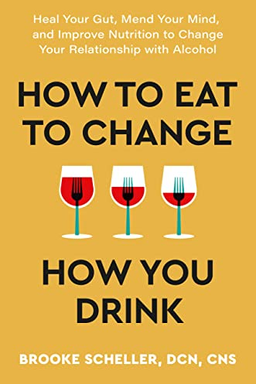
Have you ever wondered why it’s so hard to cut back on drinking, even when you genuinely want to? In How to Eat to Change How You Drink, Dr. Brooke Scheller, a clinical nutritionist and founder of Functional Sobriety, argues that the answer may be hiding not in your mind, but in your body. She contends that alcohol dependence and overuse are deeply connected to nutritional imbalances, biochemical triggers, and gut-brain dynamics—meaning that what you eat can profoundly alter how you drink.
Scheller’s central claim challenges conventional wisdom: sobriety is not just psychological or spiritual; it is physiological. By healing your gut, balancing your blood sugar, and replenishing depleted nutrients, you can reduce cravings, stabilize your mood, and make alcohol less alluring to your body in the first place. This integrated framework—what she calls Functional Sobriety—proposes that food is medicine for the mind and a biochemical therapy for recovery.
The Whisper That Becomes a Scream
Scheller begins her book with an invitation to listen to the subtle “whisper” inside that questions your relationship with alcohol. In her own story, that whisper turned into a “scream” after two decades of drinking. Despite being a doctor of clinical nutrition, Scheller couldn’t outsmart alcohol with vitamins or detoxes—her body was biochemically stuck in a cycle of anxiety, fatigue, and addiction. Like many of her readers, she had a successful career and a healthy lifestyle, yet felt powerless against daily wine rituals. Her journey to sobriety revealed a powerful truth: alcohol doesn’t just affect the brain; it hijacks nutrition, hormones, gut health, and the systems that regulate cravings and dopamine.
Functional Sobriety: A Biological Approach to Recovery
Unlike traditional sobriety programs that focus on psychological willpower or spiritual surrender, Scheller’s approach looks “under the hood”—examining how alcohol distorts metabolism, depletes vital nutrients like B vitamins and magnesium, and damages organs like the liver and gut. She maps out a four-part journey: first acknowledging your relationship with alcohol; second, understanding the biochemical systems it disrupts; third, using nutrition to repair the damage; and fourth, cultivating a supportive community and new habits that reinforce wellness.
Her Functional Sobriety program builds on functional medicine principles—finding and treating the root causes of disease rather than the symptoms. Instead of labeling people as “alcoholic” or not, she introduces the idea of drinking archetypes: The Social Drinker, The Stress Drinker, and The Habitual Drinker. Each archetype represents different triggers and biological pathways driving consumption. Understanding your unique archetype lets you personalize your nutrition to manage cravings more effectively.
The Science Behind the Cravings
Scheller explains that much of alcohol dependency is biochemical. Alcohol manipulates blood sugar and dopamine, weakens gut microbiota, inflames tissues, and alters neurotransmitters like serotonin and GABA. The result: heightened anxiety, poor sleep, brain fog, and emotional instability—all of which often lead back to drinking. By stabilizing blood sugar through regular meals, restoring gut health, and consuming foods rich in amino acids, B vitamins, and antioxidants, people can reduce biochemical triggers and rewire their reward systems.
She also discusses how oxygenating foods (like beets), probiotics, and complex carbohydrates can rebuild the biochemical foundations of good mood and energy. Intriguingly, Scheller connects low blood sugar and nutrient deficiency to alcohol cravings: when your body’s fuel is depleted, it literally begs for sugar—and alcohol is just another fast-acting form of sugar.
Beyond Abstinence: Learning to Thrive
While Scheller recognizes the social and emotional dimensions of drinking, she makes a revolutionary case for changing one’s lifestyle through biology first. She provides an entire four-week food guide for readers who want to drink less or none at all, explaining how daily meal timing, protein intake, and micronutrient replenishment can serve as anchors during the transition. These strategies aren’t only meant to stop drinking—they help readers feel better, think clearer, and reconnect with their purpose. Her clients often report not just improved moods but dramatic changes in physical health: weight loss, reduced anxiety, and normalized hormones.
Why This Approach Matters
Alcohol addiction is often treated as a purely psychological problem, but Scheller’s work challenges that paradigm. Just as functional medicine revolutionized the treatment of chronic illness by considering nutrition and lifestyle, Functional Sobriety reframes addiction as a physiological imbalance that can be healed. Her approach integrates findings from neuroscience, endocrinology, and gut-brain research—offering hope for anyone who feels “stuck” between social drinking and dependency. “You don’t have to hit rock bottom to get better,” she insists; you can begin by healing your biochemistry one meal at a time.
In Scheller’s hands, food becomes a catalyst for transformation—not just physical recovery but emotional resilience. Nutrition changes how you feel, and how you feel changes how you drink.
This is what sets Scheller apart from traditional recovery authors like Holly Whitaker (Quit Like a Woman) or Annie Grace (This Naked Mind). They emphasize mindset, community, and emotional healing; Scheller adds the missing biological component—nutritional rehabilitation—and shows that when your body is nourished, your mind is freer to choose. Ultimately, this book isn’t only about quitting alcohol, but about reclaiming health, clarity, and joy by aligning what you eat with how you want to live.