
Idea 1
Reclaiming the Mind: Psychedelics and Human Renewal
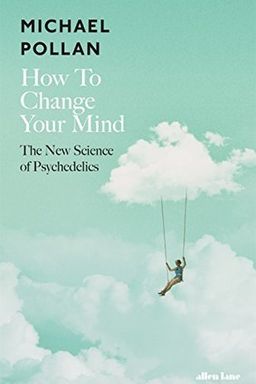
What happens when substances once dismissed as dangerous illusions re-emerge as tools for healing and self-discovery? In How to Change Your Mind, Michael Pollan traces the scientific, historical, and personal journey of psychedelics from vilification to rehabilitation. He argues that these compounds—psilocybin, LSD, and 5-MeO-DMT among them—reveal profound truths about the nature of consciousness and the mind’s capacity for change. The book weaves neuroscience, personal narrative, and cultural history into a single insight: psychedelics, when used responsibly, can reopen the language between science and spirituality.
From Ban to Renaissance
Pollan begins by tracing how the first wave of psychedelic research in the 1950s moved from promise to political collapse. LSD was initially explored as a treatment for alcoholism, depression, and terminal anxiety, showing startling potential before cultural turmoil in the 1960s ended serious inquiry. When Leary’s flamboyant experimentation collided with Cold War conservatism, psychedelics became symbols of rebellion rather than medicine. But a small cadre of scientists—among them Stanislav Grof, Bill Richards, and the archivists of Spring Grove—quietly preserved the knowledge that would seed a future revival.
That revival turned a corner in 2006, a year Pollan calls the hinge of the “psychedelic renaissance.” Albert Hofmann’s centenary symposium celebrated the legacy of LSD; the Supreme Court upheld the União do Vegetal Church’s right to use ayahuasca; and Roland Griffiths at Johns Hopkins published his epoch-making study demonstrating psilocybin’s power to occasion mystical experiences with lasting benefit. These three events—scientific, legal, and symbolic—reestablished psychedelics in serious discourse.
Bridging Science and Spirit
At the heart of Pollan’s story lies a daring claim: meaning itself may be measurable. The Hopkins studies quantify mystical experience through careful preparation, controlled settings, and validated scales like the Mystical Experience Questionnaire. Subjects describe ego dissolution, boundary loss, and noetic insight—phenomena strikingly similar to contemplative or religious states. Pollan uses his own guided trips to test this claim, showing how an atheist or skeptic can still encounter experiences of unity or transcendence that feel utterly real. The “mystical” thus becomes a psychological event understandable within neuroscience rather than mysticism alone.
The Architecture of Experience
To demystify why one trip heals and another harms, Pollan turns to the doctrine of set and setting. The mind’s state of readiness (“set”) and the surrounding environment (“setting”) determine whether a psychedelic opens doors to healing or chaos. In Hopkins protocols, eyeshades, curated music, and trained sitters create a container for surrender. Pollan contrasts his comfortable mushroom sessions with outdoor misadventures to show that preparation and safety make the difference. Underground guides like Leo Zeff and Mary—a composite of modern facilitators—practice similar restraint, often treating each session as half-therapy, half-sacrament.
From Molecule to Meaning
Behind these subjective journeys lies molecular precision. Pollan explains how tryptamine compounds act on the 5-HT2A receptor, altering communication patterns in the brain. Researchers like Robin Carhart-Harris describe the “entropic brain”: psychedelics reduce rigid activity in the default mode network (DMN)—the brain region responsible for self-referential thought. When the DMN quiets, deep-seated patterns of rumination or addiction loosen, allowing new neural and emotional connections to arise. Whether you call it rebirth, ego death, or reset, the experience correlates with observable changes in network dynamics and behavior.
Healing Through Surrender
Pollan’s central argument is not that psychedelics magically fix the mind, but that they provide a structured occasion for its reorganization. In terminal cancer patients, psilocybin reduces the terror of death; in smokers and alcoholics, it breaks obsessive loops; in depressives, it reboots emotional engagement. Across trials, the most meaningful results correlate not with dosage but with depth of the mystical or ego-dissolving experience. The drug is a catalyst; the real therapy is the insight that follows. Preparation and integration—time spent framing and unpacking the journey—determine how effectively the temporary openness becomes lasting change.
Ecology and Interconnection
Pollan situates this scientific revival within an ecological frame. Psilocybin mushrooms themselves, guided by naturalists like Paul Stamets, testify to deep cooperation among species. Fungi thrive in disturbed habitats, metabolizing decay into new life—a fitting metaphor for psychological renewal. By tying neurochemistry to natural history and indigenous practice (María Sabina’s Mazatec veladas, ayahuasca ceremonies), Pollan shows psychedelics as more than drugs: they are biological agents of connection linking soil, mind, and culture.
A Careful Optimism
Throughout his exploration, Pollan warns against naïve revivalism. Psychedelics remain powerful, risky tools—capable of terror as well as transcendence. Underground guides therefore uphold ethics of consent, screening, and integration; scientists insist on controlled environments. Yet amid these safeguards, an unmistakable lesson emerges: the self is more fluid than modern culture admits, and surrender—under the right conditions—can transform the mind’s story about itself. Ultimately, Pollan invites you to see psychedelics not as escapism but as disciplined wonder: a renewed dialogue between brain, consciousness, and the meaning of being human.