
Idea 1
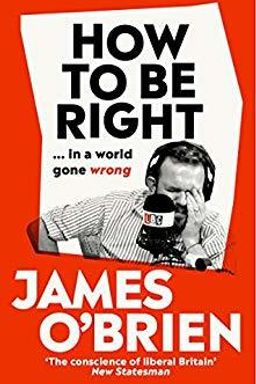
How to Be Right: Listening, Logic, and Modern Madness
How do you convince someone to think differently in an age when everyone already feels right? In How to Be Right, journalist and radio host James O’Brien argues that what the modern world suffers from is not a lack of opinions—but an absence of reasoning. O’Brien contends that our public debates—on immigration, Brexit, feminism, political correctness, and more—are fueled by emotions, slogans, and fear rather than by critical thinking or empathy. Through years of conversations with callers on his LBC radio show, he has learned that you can’t shout people into changing their minds—but you can ask them questions that help them discover their own contradictions.
This book is both an anatomy of modern public discourse and a field guide to reclaiming reason. O’Brien uses his radio interviews as case studies, not to humiliate but to illuminate. His central insight: most people are not bad or stupid; they have simply been sold comforting lies by powerful interests. Whether the topic is Islam, immigration, or Brexit, his method is the same—patient listening, gentle probing, and relentless logic.
The Struggle Between Facts and Feelings
O’Brien begins by describing how reasoned conversation has been replaced by confirmation and outrage. Politicians, pundits, and social media algorithms reward anger, creating an environment where people no longer ask why they believe what they do. His mission is to restore that lost art of questioning. “What makes you say that?” “How do you know?” “When did you choose to believe that?” These questions, O’Brien says, turn opinion into thought and reveal where logic collapses—like a caller railing against immigrants who “steal jobs and live on benefits.” By pursuing the contradiction, O’Brien exposes how prejudice and misinformation thrive unchecked.
Switching from Combat to Curiosity
Instead of debating to win, O’Brien debates to understand. He dismantles falsehoods live on air by allowing his callers to hear the sound of their own reasoning unravel. One man insists that homosexuality is a lifestyle choice until O’Brien asks, “When did you choose to be straight?” Another claims all Muslims must apologize for terrorism until O’Brien compares it to asking all Richards to apologize for a criminal named Richard. These moments capture the book’s heartbeat: how a calm question can be deadlier than a shouted argument.
Why It Matters Now
In a polarized age of ‘fake news,’ O’Brien sees conversation itself as a moral act. Each chapter tackles an explosive issue—Islam, Brexit, feminism, LGBT rights, political correctness, nanny states, the age gap, and Trump—and uses real calls to reveal the reasoning behind modern grievances. His goal is not to mock ignorance but to show how manipulation operates: how tabloids, populists, and ideologues sell anger by fabricating endless enemies. (He compares editors like Paul Dacre and Rupert Murdoch to salesmen of ghost-train tickets, profiting from fear.)
In the end, How to Be Right isn’t about winning arguments. It’s about saving reason—and empathy—from extinction. O’Brien invites you to replace certainty with curiosity, contempt with compassion, and shouting matches with honest conversation. The real art of being right, he suggests, is first to be willing to be wrong.