
Idea 1
The Epicurean Way: Living Well in a Material World
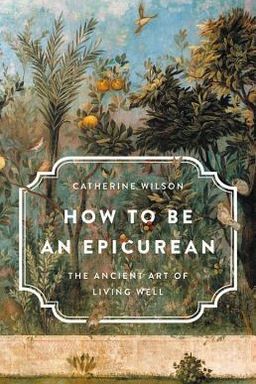
What would it mean to live truly well in a world driven by anxiety, ambition, and overconsumption? In How to Be an Epicurean: The Ancient Art of Living Well, philosopher Catherine Wilson revives Epicurus’s ancient wisdom for our modern age. She argues that genuine happiness arises not from endless striving or faith in divine plans, but from understanding the natural limits of pleasure, knowledge, and life itself. The Epicurean story, she explains, is both scientific and humanistic—a materialist philosophy that shows how the universe, society, and our sense of morality can all be understood without superstition, greed, or fear.
Wilson contends that most of us chase happiness in ways that lead to frustration: we buy more than we need, work too long, love recklessly, and fear death irrationally. The Epicurean way is not about indulgence—it is about moderation, prudence, and understanding. By reconciling ourselves to nature rather than battling it, we can achieve what Epicurus called ataraxia, a state of calm and freedom from anxiety. Wilson brings this principle into dialogue with modern science, ethics, politics, and psychology to show how Epicurus’s atom-based worldview can still guide profound moral and personal clarity.
Epicurean Philosophy for Modern Life
The book begins by laying out Epicurus’s materialist foundation: everything that exists is made up of atoms and void. This profoundly simple claim, made over two millennia ago, transformed philosophy into a natural science. Wilson explains that once we accept the material nature of the mind and dismiss supernatural explanations, we are empowered to live without fear of divine punishment or eternal damnation. Pleasure and pain become the real guides to ethical choice.
She then explores how understanding the natural world leads to moral insight. Our desires, fears, and even love are products of nature—not spiritual defects. But nature also imposes limits: physical pain warns us of harm, emotional attachment reminds us of impermanence, and death marks the boundary we must accept. Instead of fighting reality, Wilson urges readers to shape their preferences wisely, to avoid useless suffering and cultivate simple enjoyments.
Why Epicureanism Still Matters
Wilson’s argument is socially relevant because it counters both the modern cult of productivity and the religious or ideological systems that demand sacrifice to gods, nations, or moral abstractions. Epicureanism teaches you to live for the genuine good—pleasure without harm to yourself or others. Yet it is not selfish. As she shows in her chapters on morality and justice, prudence and kindness are intertwined: true pleasure comes from creating a peaceful, equitable world where unnecessary pain is reduced. This materialist ethics forms the basis for political philosophy as well—Wilson aligns Epicurean principles with thinkers like Jeremy Bentham, John Stuart Mill, and Karl Marx, who sought human welfare through rational institutions rather than divine authority.
From Atoms to Emotions
The book traces how atoms give rise to consciousness, morality, and community. Wilson revisits Epicurus’s ideas through modern neuroscience and evolutionary biology, highlighting how awareness, pain, and love evolved from physical processes. Consciousness, she argues, is neither immortal nor supernatural—it’s an emergent property of nature. This atomistic realism helps us resist magical thinking and accept impermanence without despair. In embracing impermanence, we find gratitude for the sensations and relationships that make life rich.
Living Well and Living Justly
Wilson then turns to ethics, where the Epicurean principle of “choice and avoidance” governs both self-care and morality. Pleasure must be weighed against its potential pains, and actions affecting others must reduce harm. She moves gracefully between everyday examples—choosing food, managing work stress, navigating love—and larger social issues such as inequality, war, and environmental degradation. Drawing from Epicurus’s distinction between nature and convention, she shows that human law is not divine but the outcome of agreements meant to prevent harm. As society changes, so must morality. Hence, modern Epicureans should challenge injustices produced by outdated traditions or false beliefs, especially those perpetuated through religion, inequality, and patriarchal norms.
Facing Death Without Fear
One of the most powerful parts of Wilson’s book revives Epicurus’s famous claim: death is “nothing to us.” You cannot suffer after you cease to exist, so fear of your own death is unnecessary. Yet she brings nuance: while dying prematurely or painfully is tragic, death at the natural limit of life is not evil—it is the completion of your cycle of experience. This view allows for compassion and realism. By removing false hopes for immortality, we can create moral systems that focus on alleviating real suffering instead of waiting for divine rewards in an afterlife.
Epicureanism as Science and Humanity
Finally, Wilson connects Epicurus’s ancient physics to modern empiricism and scientific scepticism. She warns that misuse of scientific authority—for profit or ideological ends—corrupts truth. The Epicurean attitude is pragmatic: trust first-person experience, verify evidence, and remain humble before uncertainty. This scientific humility coexists with ethical awareness, as knowledge should serve to reduce fear and pain rather than amplify greed and control. Her conclusion contrasts Epicureanism with Stoicism: while Stoicism prizes fortitude and virtue at the cost of emotional depth, Epicureanism embraces human vulnerability, pleasure, and compassion as moral foundations.
By the book’s end, Wilson has reconstructed a complete modern Epicurean world view—from atoms to ethics, politics to love, and science to serenity. Her message is timeless and urgent: understand the nature of things, live prudently, love generously, and accept mortality with grace. The path to happiness is not transcendence but realism—finding tranquility within a world that is always changing, fragile, and beautifully material.