
Idea 1
Change Your Thinking, Change Your Life
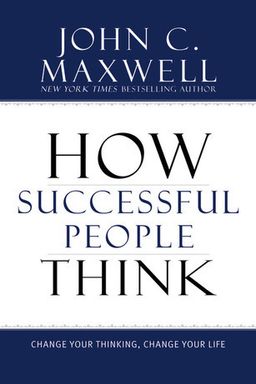
When was the last time you caught yourself thinking that success depends on luck, talent, or connections? In How Successful People Think, John C. Maxwell argues that none of those are the real determinants of success. Instead, the single most powerful factor shaping your achievements and your happiness is how you think. The difference between people who thrive and those who struggle isn’t intelligence—it’s the quality and discipline of their thinking processes.
For Maxwell, thinking isn’t just an action—it’s a lifestyle. He contends that changing your thinking can change your entire life. Good thinkers generate ideas, solve problems, create opportunities, and build better worlds for themselves and others. They can rise above circumstances and make decisions grounded in clarity, strategy, and purpose. As he puts it famously, “People who know how may always have a job, but the person who knows why will always be his boss.” Thinking shapes leadership, creativity, and resilience.
Why Thinking Matters More Than Education or Background
Maxwell dismantles the belief that success comes from innate traits or privilege. He spent forty years studying achievers from all walks of life—CEOs, pastors, athletes, artists—and discovered they all shared one defining characteristic: their thinking patterns. Big thinkers tend to see the world differently: with broader perspectives, stronger focus, and a disciplined curiosity about improvement. These are developed habits, not gifts of birth, meaning that anyone can learn them.
Maxwell suggests that reshaping your thinking isn’t automatic—it requires effort and intentionality. Good ideas rarely find you on their own; you must seek them, nurture them, and act on them. He compares the mind to a gold mine: you’ll find priceless treasures hidden beneath if you commit to digging consistently. Unlike stock markets or property, a refined mind never loses value.
The Process of Better Thinking
Maxwell outlines a repeatable process for becoming a better thinker: expose yourself to strong input, spend time with other thinkers, intentionally schedule quiet time for focused thought, act quickly on fresh ideas, allow emotions to fuel momentum, and keep repeating this cycle. The goal is to turn disciplined thinking into a natural rhythm. He cites Chick-fil-A president Dan Cathy’s practice of carving out dedicated thinking time—half a day every two weeks, one day monthly, and several days yearly—to “keep the main thing, the main thing.” It’s strategic solitude that transforms busy leadership into purposeful action.
Equally crucial is what Maxwell calls “putting yourself in the right place to think.” He describes five stages—from finding a place to think and shape your ideas, to stretching them through collaboration, landing them with others, and finally flying them through real-world implementation. Each stage transforms raw creativity into concrete impact. A thought remains inert unless it’s applied meaningfully.
The Eleven Kinds of Thinking That Define Success
In his “Portrait of a Good Thinker,” Maxwell introduces eleven interlocking forms of thinking that successful people master:
- Big-picture thinking (seeing possibilities beyond immediate circumstances)
- Focused thinking (directing energy toward critical goals)
- Creative thinking (finding new connections and solutions)
- Realistic thinking (grounding dreams in truth and preparation)
- Strategic thinking (planning with precision and foresight)
- Possibility thinking (believing that “impossible” just means “not yet”)
- Reflective thinking (learning from experience for continuous growth)
- Questioning popular thinking (challenging conformity and outdated norms)
- Shared thinking (collaborating for compounding innovation)
- Unselfish thinking (focusing on contribution over competition)
- Bottom-line thinking (prioritizing outcomes that matter most)
These eleven models form a “thinking toolkit.” They don’t dictate what to think but rather how to think in each situation. Successful people don’t rely on just one style—they recognize when to switch gears, combining creativity with realism, vision with discipline.
Thinking as Leadership and Legacy
Ultimately, Maxwell argues that good thinking empowers leadership, and leadership multiplies good thinking. Leaders see connections before others do—they bridge the present and the future, the individual and the team. Whether in business, family, or personal growth, learning to think like a leader reshapes relationships and results. He captures it in his core maxim: “Change your thinking, change your life.” The world doesn’t just respond to action—it responds to intelligent direction.
Key Takeaway
Successful people aren’t simply more gifted—they’re more deliberate thinkers. When you cultivate intentional, disciplined mental habits, you stop reacting to life and start shaping it. Good thinking compounds over time and transforms every area of living—career, creativity, leadership, and inner peace.