
Idea 1
Eating to Save Your Life: The Philosophy Behind 'The How Not to Die Cookbook'
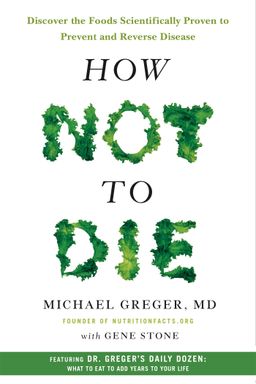
What if the way you eat every day could literally determine whether you live longer or die prematurely? In The How Not to Die Cookbook, Dr. Michael Greger—physician, nutrition researcher, and founder of NutritionFacts.org—argues that chronic disease isn’t an inevitable part of aging or bad genes but a direct result of what we put on our plates. His premise is both startling and empowering: you have far more control over your health than you’ve been led to believe, and that power sits at the end of your fork.
Dr. Greger extends the groundbreaking ideas from his earlier book, How Not to Die, transforming them into practical, scientifically grounded recipes that make disease prevention not only accessible but also delicious. The core argument is simple: a whole-food, plant-based diet—rich in unprocessed fruits, vegetables, legumes, whole grains, nuts, and seeds—can prevent, halt, and even reverse many of the world’s leading causes of death, from heart disease to diabetes to certain cancers.
From Science to the Dinner Table
Greger’s approach bridges the gap between scientific evidence and everyday life. Trained as a physician but motivated by his grandmother’s dramatic recovery from end-stage heart disease through a dietary shift, he channels decades of nutritional research into actionable steps that any household can follow. The cookbook presents plant-based eating not as deprivation or moral activism, but as an act of self-empowerment and joy.
He reinforces his philosophy with real-life stories: Chris, a man who reversed ten years of type 2 diabetes in just months; patients who avoided open-heart surgeries by switching to beans and greens; families that replaced pill bottles with pantry staples. The message is consistent—these aren't near-miracles but predictable outcomes when we align our diets with biology.
Food as Medicine, Not Restriction
For Greger, eating healthfully isn’t about adopting an ideology like veganism—it’s about removing the lens of moralism and embracing nutrition as evidence-based medicine. He dislikes terms such as “vegan” or “vegetarian” precisely because they define eating by what’s excluded rather than what’s included. His preferred language—“whole-food, plant-based”—centers nourishment, not abstinence.
This entire cookbook is built on what he calls Green Light foods: unprocessed plant foods that should make up the bulk of your diet. Yellow Light foods (such as processed plant-based items or unprocessed animal products) should be eaten sparingly, while Red Light foods (processed animal or plant products) are best avoided regularly. As Greger says, “The more green lights you hit, the faster you’ll get to your health destination.”
The 'Daily Dozen' Framework
A distinctive feature of Greger’s program is his Daily Dozen. This checklist of twelve categories—from beans, berries, and cruciferous vegetables to flaxseeds, whole grains, and exercise—helps you measure nutritional adequacy instead of calorie restriction. There’s even a free app to track progress, turning healthy eating into a kind of daily game of self-investment. Each recipe in the book notes which boxes from the Daily Dozen it helps you check, reinforcing a sense of progress rather than perfection.
The genius behind this system lies in mindset. Instead of obsessing over what not to eat, you focus on meeting positive goals. The more you “check off,” the less room there is for the kinds of processed or animal-based foods that drive disease. According to Greger, healthy eating is a zero-sum game—every unhealthy bite is a missed opportunity for nourishment.
The Stakes: Food vs. Medicine
One of the book’s most sobering revelations is that the third leading cause of death in the United States isn’t a disease—it’s medical care itself: hospital infections, medication errors, and adverse drug reactions. To Greger, this underscores how far the healthcare system has drifted from prevention. “Our medical system is great at fixing broken bones,” he writes, “but not at preventing the common causes of death.”
Until medicine catches up with nutrition science, we have to take our health into our own hands. That means eating in ways that physically heal the body—opening arteries, lowering blood pressure, rebalancing insulin sensitivity, supporting immune function. Greger positions food as the most powerful, safest form of long-term therapy known to humankind.
Why It Matters Today
The relevance of Greger’s work lies in its practicality. With chronic diseases skyrocketing and misinformation rampant, his cookbook delivers scientific literacy through simplicity. Its recipes—ranging from Black Bean Burgers to Mango-Kale Salad—aren’t gastronomic novelties but everyday tools for self-repair. More than a lifestyle, it’s a manual for reclaiming responsibility for your body and future.
“We can’t wait until society catches up to the science,” Greger warns. “Because it’s a matter of life and death.”