
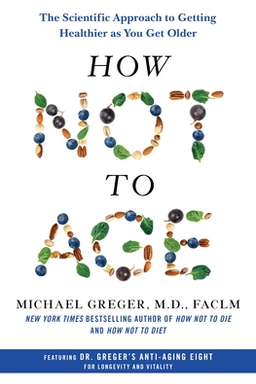
How Not to Age cover

How Not to Age

by Michael Greger

How Not to Age reveals the science behind aging, offering practical, research-based strategies to enhance vitality. Learn how diet, exercise, and lifestyle choices can profoundly impact longevity and quality of life, debunking myths and providing actionable insights.

The Science and Strategy of Aging Well

How can you live longer while staying healthy, strong, and mentally sharp? In this book, Michael Greger presents a sweeping analysis of the biology of aging and the lifestyle strategies most likely to slow it. He argues that while pharmaceutical anti-aging claims are often hype, genuine longevity arises from everyday choices—food, movement, sleep, stress management, and evidence-based interventions that modulate cellular repair and inflammation. He urges you to approach aging as a biological process you can influence, not a fixed fate dictated by genetics.

The book serves both as a map of the science of aging—explaining mechanisms like AMPK, autophagy, mTOR, senescence, and epigenetic clocks—and as a practical guide to using lifestyle to target them. Greger cautions that the anti-aging industry, though lucrative, is filled with pseudoscience and misleading claims. Senate inquiries into “Swindlers, Hucksters, and Snake Oil Salesmen” have exposed the extent of the problem. His antidote is transparent evidence: over 13,000 citations and thousands of reviewed papers, accompanied by public databases that allow you to verify his sources instead of relying on marketing.

From Disease Fighting to Aging Itself

Greger reframes longevity science around a central insight: aging is the primary cause of disease. Heart disease, cancers, dementia, and diabetes are all intensified by aging biology. Rather than curing each separately, he suggests focusing on aging—the “common denominator”—whose rate determines your cumulative risk. Slight delays in aging have exponential effects: if you can slow biological aging by just seven years, you might halve the risk of major chronic diseases.

The Concept of Healthspan

Living longer matters only if those added years are healthy and functional. Greger distinguishes lifespan from healthspan—the years free from disability and disease. He warns that today’s young adults may spend more years sick than their grandparents. Your goal, then, is to extend vitality, not just life.

The Eleven Pillars of Longevity Biology

The book unpacks eleven interconnected biochemical pathways you can influence: AMPK (energy sensing), autophagy (cellular cleanup), mTOR (growth vs. repair), IGF‑1 (anabolic signaling), sirtuins (gene regulation), telomere protection, epigenetic changes, senescence, inflammation, glycation, and oxidation. Each pathway offers an angle through which diet, exercise, sleep, or fasting may alter aging trajectories. For example, activating AMPK through movement or vinegar; stimulating autophagy with fasting or coffee; and blocking mTOR with plant-based protein restriction all converge on cellular repair rather than growth overload.

Evidence, Not Elixirs

Greger exposes anti-aging fads—from stem-cell infusions to collagen drinks and unproven NAD+ boosters—and replaces them with the best available human data. He recognizes potential in emerging trials (like metformin’s TAME study and partial epigenetic reprogramming) but insists most benefits are already accessible through daily habits. He highlights blue zones like Okinawa and the Adventist community in Loma Linda as natural analogs of successful human “experiments” in longevity: predominantly plant-based diets, moderate activity, purpose, and community.

Your Daily Toolkit

He translates molecular insights into practical steps: activate AMPK through movement and fiber; enhance autophagy through exercise and spermidine-rich foods; moderate mTOR with plant proteins; and preserve telomeres with stress management and Mediterranean-style eating. Sleep, low stress, and social ties reinforce repair signals. Plant-based diets support microbiome balance, reduce inflammation, and supply hormetic phytochemicals that strengthen cellular defenses.

Central message

Real longevity arises from evidence-based, plant-centered living that targets aging processes themselves—not from expensive pills or unregulated anti-aging claims. Transparency and reproducible science are your best protection against hype and your best tools for living longer with vitality.

Across chapters, Greger transforms aging biology into practical wisdom: eat plants, move daily, sleep well, manage stress, and stay skeptical. The result is a synthesis—biology translated into action—which empowers you not just to add years to your life, but life to your years.


Metabolic Pathways that Slow Aging

Your body has built-in molecular switches that determine whether you’re in growth or repair mode. AMPK, mTOR, and autophagy are central to this network. Greger teaches you to harness these pathways through everyday choices instead of pharmaceuticals.

AMPK: Energy Sensing and Repair

Think of AMPK as your cellular fuel gauge. When energy runs low—during exercise or fasting—AMPK wakes up, boosting mitochondria and recycling damaged components. You can activate it naturally through aerobic activity, moderate fasting, and plant-derived activators like vinegar, hibiscus tea, and berberine-rich barberries. Eating fiber-rich foods enhances gut-derived acetic acid, another AMPK trigger. Saturated fats, especially palmitic acid in dairy and meat, suppress AMPK and thus repair capacity.

mTOR: Balancing Growth and Longevity

mTOR drives cellular growth, but constant activation accelerates aging. Animal studies using rapamycin—an mTOR inhibitor—extended lifespan dramatically. You can approximate these effects safely by moderating protein intake, particularly the amino acids leucine and methionine found abundantly in animal proteins. Legumes, nuts, and soy provide adequate protein while lowering mTOR stimulation. Middle-aged adults benefit most from a modest protein reduction, whereas older adults must pair plant proteins with resistance training to prevent muscle loss.

Autophagy: Cellular Recycling

Autophagy cleans house—removing faulty proteins and organelles. It’s activated by calorie gaps, exercise, and compounds like spermidine (found in tempeh, mushrooms, wheat germ, and legumes). Intense fasting isn’t necessary; moderate time-restricted eating and consistent movement stimulate steady autophagy safely. Coffee’s chlorogenic acids also help, meaning even decaf offers a minor boost. Feeding your microbiome with fiber increases endogenous spermidine production for long-term cellular renewal.

Practical Integration

These pathways converge. Exercise activates AMPK and autophagy; plant-forward diets moderate mTOR and lower inflammation. Drugs like metformin target AMPK too but come with downsides—B12 depletion, GI effects, and blunted exercise gains. The safest route is lifestyle synergy: movement plus plants.

Key idea

You can influence core cellular metabolism through how you eat and move. Small daily habits—walking, eating legumes, sipping hibiscus tea—activate molecular repair systems far more reliably than experimental drugs.

Together, AMPK, mTOR, and autophagy illustrate the body’s “switch” between building and maintenance. To age well, you want regular periods of repair: more movement, less excess protein, and plant-rich variety—a concept mirrored by long-living cultures worldwide.


Dietary Patterns for Longevity

Greger traces a clear line between what you eat and how long—and well—you live. Across hundreds of studies and global comparisons, one theme emerges: plant-predominant diets that emphasize whole foods, legumes, nuts, and vegetables consistently outperform meat-heavy patterns for longevity and disease prevention.

Blue Zones and Global Models

Okinawans, Mediterranean villagers, and Adventists show convergent habits: 90–96% plant food intake, modest calories, and lean proteins from beans and grains. The famous Okinawan purple sweet potato delivers anthocyanins, antioxidants that protect cells. Sea vegetables, mushrooms, and soy provide minerals and unique compounds like ergothioneine and isoflavones, while turmeric, garlic, and ginger function as daily anti-inflammatory spices. Comparing these groups reveals simple consistency—plants at the center, social support, and active living.

Mediterranean and Plant-Based Evidence

Randomized trials (PREDIMED, Lyon Diet Heart) confirm that replacing animal fat with extra-virgin olive oil and nuts reduces cardiac events and strokes. Nuts yield particularly dramatic results—roughly halving stroke risk with a small handful daily. Olive oil helps too, but quality matters; adulterated oils lose polyphenols. Whole nuts, seeds, and avocados offer more stable vascular benefits without the pitfalls of excess refined oils.

Legumes: Small Dose, Big Effect

Beans emerge as an underrated superfood. Studies across continents found that an extra two tablespoons of beans per day lowered risk of death by 8%. Trials show that one cup daily improves cholesterol, blood pressure, and even peripheral artery disease markers within weeks. Common fears about flatulence fade as microbiomes adapt—the “fartcebo” effect proves psychological.

Quality and Caveats

Not all vegan diets are healthy: processed “junk vegan” foods cancel benefits. Greger underscores nutrient vigilance, especially vitamin B12, recommending 50 mcg daily or 2000 mcg weekly for vegans and older adults. Whole-food plant diets supply fiber, potassium, folate, and antioxidants that lower inflammation and slow aging pathways like glycation.

Bottom line

Aim for the plant-heavy patterns proven in long-living populations: daily legumes and greens, small nuts, limited animal protein, and minimal processed food. Food quality—not the vegan label—determines your health trajectory.

The world's healthiest diets aren’t exotic—they’re simple, fiber-rich, and sustainable. Their synergy feeds your gut, reduces inflammation, and activates cellular defense mechanisms tied to longevity.


Micronutrients, Hormesis, and Cellular Defense

Cells evolve by adapting to challenges. Greger explores hormesis—the idea that mild stress makes you stronger. Plant compounds like sulforaphane from broccoli, anthocyanins from berries, and polyphenols from tea activate your body’s own antioxidant defenses through Nrf2 signaling and other pathways rather than acting as direct antioxidants themselves.

Nrf2 and the Antioxidant Paradox

High-dose antioxidant supplements often fail because they blunt adaptive responses. Real protection occurs when foods mildly stimulate stress pathways. Sulforaphane from crucifers activates Nrf2, upregulating detox enzymes; broccoli sprout drinks in clinical trials boosted detoxification of pollution particles and reduced inflammation. Green tea polyphenols (EGCG) similarly trigger beneficial stress responses.

Synergy and Xenohormesis

Whole plants combine thousands of phytochemicals that work together. Pomegranate’s polyphenol fractions dramatically inhibit cancer cell growth only when united; sesame seeds lower blood pressure with microdoses; berries and tomato-broccoli mixtures show greater combined effects than isolated compounds. This is xenohormesis—plants passing on stress signals that teach your cells resilience.

Micronutrients and Caution

Synthetic supplements can overshoot hormetic benefits. Excess folic acid or isolated antioxidants may backfire. Instead, eat folate-rich greens, legumes, and a spectrum of colors. Avoid grapefruit with medications—it inhibits detox enzymes. The best “antioxidant strategy” is diversity in whole foods, not megadoses of extracts.

Practical insight

Hormesis reminds you that small daily exposures—bitter greens, crucifers, spices—activate survival pathways. Nature’s mild irritants are your training bench for cellular defense.

Harness hormesis wisely: eat colorful plants, avoid high-dose antioxidant pills, and let moderate dietary stress sharpen your body’s resilience over time—a recurring theme underlying genuine anti-aging nutrition.


Microbiome, Fiber, and Immune Resilience

Half your cells aren’t human—they’re microbial. This microbial ecosystem profoundly affects aging, immunity, and inflammation. Greger connects centenarian microbiome research to practical diet advice showing how fiber and plant diversity act as life-extending fertilizers for your gut.

Fiber as a Longevity Fuel

Fermentable fiber feeds butyrate-producing bacteria, which strengthen intestinal integrity and reduce inflammation. Centenarian microbiomes teem with such species. Trials show that high-fiber meals raise short-chain fatty acids (SCFAs), dampen cytokine production, and improve vascular function. Legumes, whole grains, beans, and vegetables drive these benefits, helping prevent ‘inflammaging.’

Microbial Balance and Dysbiosis

Processed foods, excess salt, antibiotic residues, and emulsifiers tip your gut toward dysbiosis—fewer beneficial microbes, more inflammation. Industrial animal products carry antibiotic traces that can transfer resistance genes to your own flora. Reducing such exposure and restoring balance through plant fiber reverses the trend.

Immunity and Communication

Your gut talks to your immune system. Forest exposure (“phytoncides”), sleep, and exercise strengthen this link. Garlic, mushrooms, and green tea boost natural killer cell activity; vaccines combined with good sleep and diet improve antibody responses. A fiber-fed microbiome produces metabolites that influence cognition, lungs, and muscle resilience.

Simple prescription

Feed your microbes with whole plants, avoid routine antibiotics and processed additives, and you transform them from inflammation triggers into longevity partners.

Your microbiome reflects your diet. Every fiber-rich bite teaches your gut to build molecules that sustain immunity and slow aging—proof that some of your most potent longevity agents aren’t pills but microbes you nourish daily.


Muscle, Bone, and Functional Aging

Longevity without mobility isn’t success. Greger underscores that muscle and bone preservation determine independence as much as lifespan. He translates biomechanics and randomized trials into straightforward practice plans based on exercise, protein quality, and nutrient timing.

Resistance Training: Non‑Negotiable

Strength training reverses sarcopenia even in the frail. Twenty-four‑week programs triple strength and raise muscle mass 10%, recapturing years of lost function. Pair this with balance training to prevent falls—the root cause of most fractures, not bone density alone.

Protein Quality and Creatine

Adequate, well-distributed protein supports muscle recovery, but excess animal protein overstimulates aging pathways like mTOR. Plant protein—soy, legumes, nuts—meets needs when balanced across meals. Creatine monohydrate, backed by meta-analyses, safely augments lean mass when combined with resistance training. Greger warns against overselling supplements; creatine works with exercise, not alone.

Bone and Fall Prevention

Osteoporosis treatment often overemphasizes drugs and calcium pills. Trials reveal that fruits, vegetables, prunes, and soy phytoestrogens effectively support bone remodeling. Vitamin D helps only in the deficient. Exercise—Tai Chi, resistance, balance work—cuts falls by nearly a quarter in large reviews.

Functional priority

Invest in mobility and muscle. They are the currency of aging well—more predictive of independence than any lab test or supplement.

Practical strategy: train muscles two to three times weekly, eat sufficient plant protein, possibly add creatine, include produce for bone health, and design your environment to prevent falls. Strength and balance are longevity embodied.


Brain, Sleep, and Mental Longevity

Your brain ages too—but not inevitably toward decline. Greger integrates cognitive and neurological research showing how vascular health, sleep, and nutrient status protect the brain better than controversial amyloid-targeting drugs.

Vascular Health as Brain Health

Dementia risk rises with cholesterol and blood pressure. Trials like SPRINT MIND show tight blood pressure control reduces cognitive impairment. Vegan and Mediterranean diets lower cholesterol and improve flow, anchoring the rule “what’s good for the heart is good for the head.”

Sleep and Clearance

Your nightly sleep literally washes the brain. Studies confirm that sleep deprivation raises amyloid overnight. Maintaining 7–8 hours appears optimal; sleeping pills, however, damage health and fail to increase real sleep time. Behavioral routines—risky caffeine timing, warm foot baths, consistent bedtime—work better.

Nutrients and Neurotrophic Factors

B vitamins lower homocysteine and slow brain atrophy in deficient individuals; berries and cocoa boost BDNF, a growth factor preserving neurons. Exercise acts as a brain fertilizer through the same mechanism. Forest exposure and green tea further enhance immune and cognitive resilience.

Lifestyle vs Drugs

Drugs like aducanumab and lecanemab illustrate how targeting amyloid often fails or adds risk; lifestyle modification—diet, sleep, exercise—shows consistent cross-trial benefit with almost no side effects. Prevention outperforms high-cost treatment.

Indeed

Longevity of mind comes from circulation, rest, and nutrient synergy—not miracle drugs. Protect your heart and sleep well to protect memory.

Cognitive longevity is built daily: manage vascular risks, get regular aerobic movement, eat berries and greens, prioritize consistent sleep, and practice stress control. These simple acts preserve neurons better than any controversial pharmaceutical frontier.


Evidence, Skepticism, and Consumer Protection

With billions spent chasing youth, skepticism is essential. Greger urges evidence literacy so you can tell real science from snake oil. His critique of the supplement and cosmetic anti-aging industries reveals a structural problem: weak regulation, high marketing, little proof.

The Marketplace of Hype

Under the 1994 DSHEA law, supplements bypass pre-market efficacy testing. Analyses found mislabeled and contaminated products—from herbal capsules without listed plants to collagen powders of uncertain origin. Collagen and NAD+ boosters show mixed data and variable purity; anti-aging creams often rely on placebo perceptions rather than molecular evidence.

Food Over Pills

Foods like nuts and crucifers have stronger mortality evidence than many marketed extracts. Sulforaphane from broccoli and polyphenols from berries activate detox pathways that laboratory antioxidants fail to match. Whole-food xenohormesis beats synthetic shortcuts.

Transparency and Verification

Greger demonstrates scientific integrity by publishing full citations online and linking readers directly to source studies. He recommends checking for randomized trials, reproducibility, and independent funding before trusting claims. Peer-reviewed science may be imperfect, but it’s the least biased system we have.

Consumer safeguard

Before buying any “anti-aging” product, ask: Has it been proven in humans, replicated, and independently funded? If not, skepticism saves money and health.

Real anti-aging is not about trusting gurus but reading the evidence yourself. Greger’s transparency model redefines credibility, reminding you that facts—and not flashy advertising—should drive your choices for lifelong wellness.

Dig Deeper

Get personalized prompts to apply these lessons to your life and deepen your understanding.

Go Deeper

Get the Full Experience

Download Insight Books for AI-powered reflections, quizzes, and more.