
Idea 1
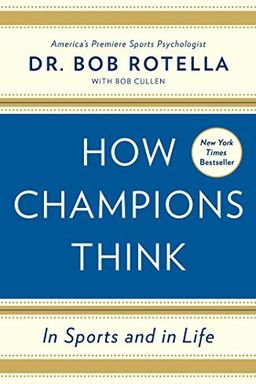
How Champions Think: The Mindset That Creates Excellence
Why do some people seem to excel endlessly while others—equally gifted—plateau and fade? In How Champions Think, performance psychologist Dr. Bob Rotella argues that greatness begins not with talent or training but with mindset. What separates champions in sports, business, and life is how they think about themselves, face adversity, and commit to excellence even when comfort beckons. Rotella contends that exceptional people aren’t simply born that way—they choose to think differently.
Drawing from decades coaching elite athletes—from LeBron James to golf legends like Pat Bradley, Tom Kite, and Pádraig Harrington—Rotella shows that success has far more to do with optimism, confidence, perseverance, and love for one’s talent than with innate ability. He demonstrates this in vivid stories where seemingly ordinary people become extraordinary through consistent belief, clear mental habits, and the refusal to surrender. The book is equal parts motivational philosophy and psychological training manual for lifelong excellence.
The Core Argument: Thought Shapes Reality
At the heart of Rotella’s thesis lies a simple but radical assertion: “People tend to become what they think about themselves.” Borrowing insight from William James and Martin Seligman’s positive psychology, Rotella explains how self-image functions like a self-fulfilling prophecy. Optimists who cultivate confident expectations are more likely to persist, learn from setbacks, and perform under pressure. Pessimists, conversely, walk around carrying invisible weights—doubt, fear, and learned helplessness—that keep them from seeing opportunities.
Through anecdotes contrasting athletes who crumble with those who thrive, Rotella demonstrates that the difference rarely lies in physical capability. Championship performance stems from the ability to craft empowering internal stories—ones that define setbacks as fuel and success as destiny. Like cognitive behavioral therapy, the book teaches you how to catch harmful thoughts (“I’m not talented enough,” “I always choke”) and replace them with ones that reinforce confidence.
The Framework of Champion Thinking
Rotella structures his argument around several interlocking pillars: optimism, confidence, respect for one’s own talent, commitment and perseverance, goal setting and process focus, and resilience after failure. Each pillar builds on real-world examples from sports psychology and coaching. Where typical self-help emphasizes goals and grit, Rotella spotlights emotion and belief—the daily act of falling in love with your own potential.
- Optimism fuels focus and creativity during adversity.
- Confidence underpins resilience; without it, preparation cannot blossom into performance.
- Respecting your talent means choosing gratitude and pride in your gifts rather than envy for others’ advantages.
- Perseverance turns commitment into habit—a theme echoed in Rotella’s analogy that excellence is about keeping promises to yourself.
Why It Matters Beyond Sports
Though grounded in golf’s fairways and locker rooms, Rotella’s lessons reach far beyond athletics. He draws parallels to financial advisors, entrepreneurs, artists, educators, and even surgeons—anyone whose craft relies on precision and confidence. From John Calipari’s Kentucky basketball teams to Lady Gaga’s self-created reality, Rotella shows how mindset—belief in your talent, process, and vision—determines success in every domain.
In a culture fixated on statistics and measurable outcomes, Rotella’s philosophy reasserts human agency. You can’t control luck, genetics, or timing, but you can control your thoughts. He argues that this control is the ultimate freedom. “Champions,” he writes, “choose their reality.” The rest of us too often surrender it to circumstance or the opinions of others.
From Talent to Character: The Moral of Excellence
Across chapters, Rotella reinforces that physical talent is only half the game. The rest is character—belief, humility, joy, honesty, persistence, and love for the craft. Using anecdotes from baseball legend Greg Maddux and golf icons like Ben Hogan, he dismantles myths about natural ability. Maddux wasn’t the fastest pitcher, Hogan wasn’t the most naturally gifted golfer—yet both mastered their mental game better than anyone else. Through that mastery, they defined what talent truly is: the harmony between dedication and faith.
For readers, this isn’t just about sports—it’s an invitation to construct a champion’s mind in everyday life. Whether you’re presenting at work, building a business, studying for exams, or raising a family, Rotella’s tools—affirmation, visualization, self-belief, and the discipline of habit—translate directly into daily success. The book reminds you that excellence begins with the question: “How do I choose to think about myself today?”
Rotella’s Key Message:
You don’t have to be born a champion. But you do have to learn to think like one. Talent may open the door; mindset walks you through it and keeps you inside.