
Idea 1
The Making and Unmaking of a Luxury Dynasty
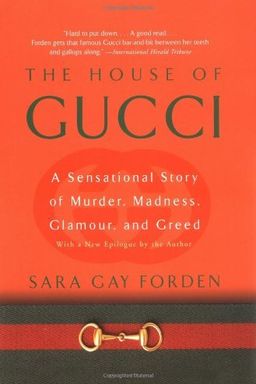
How does a family name become a symbol of global prestige—and then collapse under its own ambition? This book traces the century-long saga of Gucci, showing how craftsmanship, charisma, and conflict built one of the most recognizable luxury houses in the world. You move from Florentine workshops to Manhattan boutiques, from artisanal pride to boardroom battles, and finally to a murder that still haunts the brand’s mythology.
The author’s central argument is that Gucci’s history reveals the tension between authentic creation and corporate control. A brand born from the bench of a Florentine leather craftsman evolves into a multinational empire; but each time it expands, it risks disconnecting from its core artisanship. Family passions and corporate greed repeatedly collide, showing you how legacy can be both asset and liability.
From Craftsmanship to Global Commodity
Guccio Gucci’s early years at the Savoy Hotel taught him that luxury isn’t about price—it’s about service, quality, and the emotional experience of possession. When he founded Gucci in Florence in 1921, he built around the banco system: one artisan crafting an entire bag and signing it with a personal code. Materials like cuoio grasso and the bamboo handle became sophisticated responses to wartime scarcity. These values—traceability, responsibility, and innovation—made Gucci’s name synonymous with integrity.
Aldo Gucci then transformed that small workshop ethos into global theater. He introduced the modern idea of a luxury store as a stage set—Murano chandeliers, marble floors, and celebrity openings. In the United States, Aldo invented the Gucci lifestyle: horse-bit loafers, the Flora scarf, and the green-red-green webbing became cultural codes. He manipulated symbols and stories (even inventing a saddlery heritage) to market myth as tradition. Yet the expansion also sowed structural problems—the first cracks between artisanship and mass appeal.
The Family as Corporation—and Battlefield
Beneath Gucci’s glamour ran a fierce dynastic struggle. The brothers—Aldo, Rodolfo, and Vasco—controlled different territories, creating rival power bases. Their children inherited both wealth and resentment. From the 1970s onward, boardroom coups replaced board meetings: Paolo recorded family fights; Aldo transferred shares to sons to preserve control; and lawsuits multiplied across continents. The lack of governance turned private quarrels into public legal disasters. Aldo eventually served prison time for tax evasion in the U.S.—a dramatic fall for a man who had once embodied the brand’s elegance.
The implosion continued with Maurizio, Rodolfo’s son, whose artistic ambition mixed with managerial incompetence. After gaining control in the 1980s, he tried to purge Gucci’s mass-market image by eliminating lower-priced items. His aesthetic crusade—closing wholesale channels, renovating stores, and hiring Dawn Mello—made sense creatively but was catastrophic financially. Empty shelves, unpaid suppliers, and unplanned inventory losses burned through cash. Maurizio’s arrogance toward warning voices like Domenico De Sole and Andrea Morante accelerated the crisis.
The Outsiders Who Saved the Brand
When Investcorp, a Bahrain-based private equity firm led by Nemir Kirdar, stepped in, Gucci was bleeding losses. Their intervention introduced modern governance: audits, investment discipline, and leadership changes. They installed Bill Flanz for operational control and later elevated De Sole to CEO. Together with Tom Ford’s creative explosion—the provocative designs, minimalist campaigns, and cultural relevance—Gucci regained profitability. Within five years it was back on top, its IPO signaling rebirth. The Ford–De Sole partnership embodied what Guccio once knew intuitively: excellence in design must be married to excellence in execution.
Money, Murder, and the Meaning of Legacy
Maurizio’s personal style mirrored Gucci’s paradox: extravagance without restraint. He lived lavishly while drowning in debt, alienated allies, and ended in tragedy—shot outside his Milan office in 1995. Patrizia Reggiani, his ex-wife, was convicted of orchestrating the murder, turning Gucci’s downfall into tabloid myth. The death marked the end of Gucci as a family company but the start of its evolution as a corporate icon under Pinault’s PPR Group (now Kering).
In later years, Gucci reemerged again—first under Ford’s seductive glamour and later under Alessandro Michele’s eclectic romanticism. Each reinvention reclaimed the balance between innovation and heritage, proving that a brand’s history can survive scandal and reinvention if its core narrative remains intact. (In this sense Gucci’s evolution recalls Chanel under Wertheimer’s stabilization or Dior’s post-war rebirth—each marrying artistry with governance.)
Central insight
The Gucci story isn’t just about handbags and heirs—it’s an anatomy of brand endurance. When vision outpaces governance, even the most exquisite names can implode. But when artistry, finance, and leadership align, heritage becomes renewable capital. Gucci’s trajectory from artisanal house to corporate empire teaches you how luxury must continually re-earn its aura through disciplined creativity.
For you, whether studying business succession, brand ethics, or creative industries, Gucci’s rise and fall provide a complete model of how identity scales—and how fragile it becomes when trust, family, and governance fracture.