
Idea 1
Hinching Happiness: A Clean Home for a Calm Mind
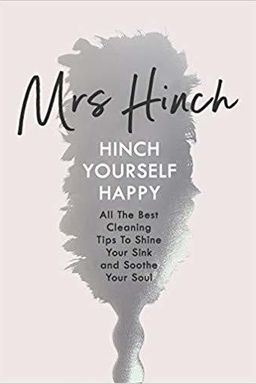
Have you ever noticed that cleaning your home can somehow quiet your mind? In Hinch Yourself Happy, Sophie Hinchliffe—better known as Mrs. Hinch—turns that simple truth into a whole philosophy. The phenomenon of 'hinching' isn't just about polishing sinks or organizing cupboards; it's about the way small acts of care inside your home can transform how you feel inside yourself. Through honesty, humor, and an open heart, she reveals how cleaning became her therapy, how anxiety gave her purpose, and how the home became her sanctuary.
Mrs. Hinch argues that our surroundings deeply affect our mental well-being. A cluttered room reflects a cluttered mind; a sparkling sink can soothe the soul. She contends that cleaning is not a chore—it’s a form of mindfulness and self-compassion. Her journey began not with a plan to become a social media sensation but as a private effort to manage anxiety while finding comfort in domestic life. What she discovered was that people everywhere resonated with her—and that everyday cleaning could help millions ease their worries and reclaim joy in simplicity.
From Anxiety to Empowerment
At its core, the book explores how Hinchliffe transformed anxiety into empowerment. Her early struggles with panic attacks and insecurity (especially following health complications and body image issues) might easily have consumed her. But by turning cleaning into a ritual of focus and calm, she found her way to peace. Each product she used—Cif, Zoflora, Vera the mop, or Minkeh the cleaning pad—became more than a tool; it was part of a supportive routine that grounded her mind when thoughts spiraled. This connection between routine and recovery mirrors the therapeutic concepts of behavioral activation found in psychology: doing small, rewarding tasks to regain control and clarity.
The Rise of the 'Hinchers'
Sophie’s world expanded beyond her own home when she started sharing cleaning videos online in 2017. Her authenticity, joy, and quirky habit of naming her cloths—Buddy, Dave, and Minkeh—captivated hundreds of thousands. Soon, the “Hinchers,” her loyal followers, created a movement. To them, she wasn’t just showing how to scrub a sink; she was modeling how to take pride in ordinary acts. (This echoes Marie Kondo’s idea of sparking joy—but Hinchliffe’s approach is less spiritual minimalism and more playful realism.)
Her rise to fame, including appearances on television and the viral crash of the Minky cleaning product website, reveals what people were craving: a friendly, relatable voice reminding them that being home, cleaning, and caring for oneself isn't dull—it's restorative. Hinchliffe bridges connection in a digital era by making domestic care feel communal. In the process, she also became an advocate for mental health, sharing the ups and downs behind the glossy sink shots.
Finding Joy in Everyday Rituals
The central theme of Hinch Yourself Happy is finding joy in routine. A tidy house is a kind of therapy session, and cleaning can transform anxiety into accomplishment. The book encourages readers to structure their lives around small acts of love—making the bed, cleaning a cupboard, walking the dog, or lighting a candle. These aren’t chores; they’re choices to nurture comfort and stability. Hinchliffe champions the idea that even “boring” things become sacred when done with intention. She proves that self-care doesn’t have to mean spa days or meditation retreats; sometimes, it’s just organizing your wardrobe until your mind feels as orderly as your hangers.
A Community of Imperfect People
Beneath the cheerful surface, Hinchliffe’s book also speaks to deeper issues: vulnerability, online scrutiny, and authenticity. She opens up about trolling, insecurity, and fame's pressure, reminding us that perfection isn’t the point. What matters is embracing normalcy—in her words, “the best lives are the boring ones.” This honesty makes her message both comforting and contagious. (In tone and substance, her confessional style recalls Brené Brown’s writings about vulnerability as strength.) Hinchliffe’s openness about her fears becomes a form of solidarity with her followers: no one is truly alone in wanting peace and order.
Ultimately, Mrs. Hinch calls her readers to create homes and habits that help them shine emotionally as well as physically. “Hinching yourself happy” means finding balance—between cleanliness and contentment, between routine and freedom, and between self-care and caring for others. The journey she shares is not about becoming the perfect homemaker but about discovering that caring for your space is caring for your soul. Through humor, heart, and an endless supply of cleaning tips, Hinchliffe invites you to love your life from the inside out—starting with your sink.