
Idea 1
Your Home Is an Heirloom
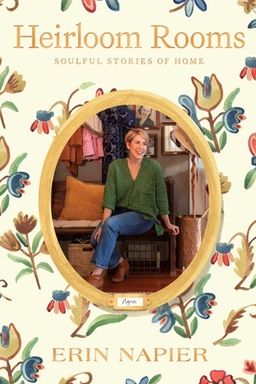
When you picture the home you grew up in, what do you actually remember—the paint color, or the way you felt safe during a storm, the smell of waffles, the sound of a screen door? In Heirloom Rooms, Erin Napier argues that a home is not a showcase but a living heirloom—an object of daily use that absorbs stories, griefs, jokes, and first steps, then hands them forward. She contends that the rooms you inhabit are repositories of family identity. They are designed with intention, evolve with your seasons, and deserve to be documented in their imperfect, mid-laundry, cheerfully lived-in truth. To truly keep a home, you honor its humanity, rescue its memories, and shape it to love your people well.
Napier sets this thesis against the backdrop of a single yellow 1925 craftsman cottage in Laurel, Mississippi—first adored from the sidewalk, then entrusted by its gracious elder owner, Mrs. Mary Lynn. From there, the book moves room by room, stitching personal memoir to design practice and community stewardship (think Gaston Bachelard’s The Poetics of Space, but with biscuits, back porches, and a tornado-scarred mullion). Each chapter shows how a space’s form and features become inseparable from what happens there: a swing Ben built that becomes a stage for adoption-day champagne in Dixie cups; a dining table legged with repurposed porch columns that supports birthdays, design sketches, and diaper changes; a bathroom made sacred by loss, healing, and Eggo waffles eaten in the tub during pregnancy.
From Architecture to Biography
Napier’s core claim is deceptively simple: rooms are designed by people for people—and like people, homes are redeemable. A neglected bath can be reborn with Carrara and brass; a generic kitchen can be remade in rift-sawn white oak and American-built appliances; a stiff front door can be swapped for an old soul with rafter tails that seem to hug you. But the deeper point is that these redesigns only matter insofar as they serve the life unfolding within them. She favors artifacts that mean something—her daddy’s painting of Champ the bird dog, an oil portrait of Tony Soprano and Pie-O-My smuggled into the dining room under the name of an “uncle,” the screen doors Ben built because she wanted to hear their creak-slam “song.” In Napier’s hands, style becomes a servant to biography, not the other way around (a gentle rebuttal to trend-chasing interiors on Instagram).
Rooms That Do the Real Work
Across eleven spaces—front porch, entry, living room, dining room, bedrooms, guest rooms, bathroom, office, kitchen, and back porch—Napier shows how rooms prove their worth by how they hold us. The living room becomes a crucible where friends fall asleep on sofas, blind dates seed marriages, tornadoes blast windows, and a single unpainted mahogany mullion remains as a deliberate scar of survival. The bedroom reveals two nightstand biographies—Erin’s orderly journals and prayer book vs. Ben’s pocketknives, coins, and a Bush Dairy bottle overflowing with change—before becoming a bassinet harbor, a place where fear of motherhood flips to faith in a single turn of the lamp. The office shifts from late-night hustle for her stationery company to a soft-play toy room once children arrive, mirroring the couple’s own vocational arc from entrepreneurial grind to HGTV’s Home Town.
Hospitality, Craft, and Stewardship
Hospitality is the book’s posture. The front porch is "Sunday best"—fried chicken, neighbors, and a swinging bed crafted from century-old heart pine; the back porch is pajamas and Popsicles, the tender stage for COVID-era painting sessions with toddler Helen and sun-warmed grief as their aged Great Pyrenees, Baker, fades. Craft undergirds everything: Ben mills a lost 1925 hammer’s echo into new window mullions; salvaged columns become a dining table; a rift-sawn oak kitchen honors a craftsman house with furniture-like cabinets and limestone-look quartz. And stewardship—a conviction that houses are human—animates Napier’s preservation ethic: keep what tells the truth, repair what’s broken, add what amplifies the original song. Her preface about photographing her grandmother’s house before it passed to strangers is a thesis in miniature: if you don’t record the rooms that raised you, the particulars slip the way eye color can in memory.
Why This Matters to You
If you’ve ever felt paralyzed by perfection, Napier offers liberation: document what’s personal, not perfect. Frame your family’s mismatched past like a gallery wall. Keep the old Dutch oven with blackened crevices because it tastes like your grandmother’s kitchen. Let a red unpainted strip on a window remind your kids that their house literally sheltered them. You’ll find ideas you can use immediately—screen doors for sound and airflow, porch swings that double as daybeds, gallery walls of ancestors behaving like their flirty 1940s selves; and you’ll find perspective you can live by: homes change with your seasons, and that’s a feature. In the end, Heirloom Rooms is a guide for turning your rooms into durable vessels for love—a manual for curating a life that looks like you, lasts like an heirloom, and welcomes like a porch.
Key Line
“Your home does not look like a magazine article, and it was never meant to. It is an ever-evolving heirloom keeping step with the humans who are the custodians of it.”