
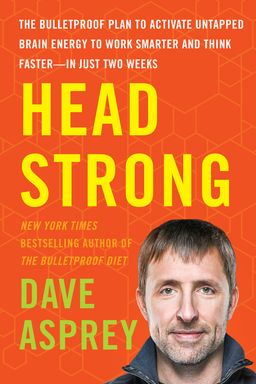
Head Strong cover

Head Strong

by Dave Asprey

Head Strong by Dave Asprey is a revolutionary guide to boosting brainpower and maximizing mental performance. Through dietary tweaks, lifestyle changes, and environmental adjustments, it reveals how to enhance cognitive function, increase focus, and unlock your brain''s full potential in just two weeks.

Head Strong: Reclaim Your Energy Engine

What if mental clarity, focus, and willpower were not about motivation at all, but about cellular energy? In Head Strong, Dave Asprey reframes brain performance as a mitochondrial problem: when your cells’ power plants falter, your thinking slows, moods swing, and cravings overwhelm you. But when mitochondria thrive, your brain becomes the energetic command center it was meant to be. Asprey blends cutting-edge bioenergetics, nutrition science, and personal experimentation to show how you can reprogram your body’s energy systems for sharper cognition and lifelong vitality.

The Mitochondrial Model of the Mind

Mitochondria, the descendants of ancient purple bacteria, remain at the core of who you are. Every sensation, thought, and decision relies on ATP—molecules generated in these microfactories. You have over a quadrillion of them, working hardest in your brain, retina, and heart. The prefrontal cortex, which governs willpower and decision-making, contains the highest mitochondrial density of all. When these power plants falter, this region goes dark—literally, as brain scans reveal in Asprey’s own case with psychiatrist Dr. Daniel Amen. The insight: cognitive failure often stems from low cellular energy, not weak character.

The Head Strong Framework

Asprey organizes his program into four synergistic steps: stop doing what makes you weak, add more energy, increase efficiency, and strengthen mitochondria. This map integrates diet, sleep, exercise, light, and mind training. Each step targets predictable brain weaknesses like fatigue, forgetfulness, cravings, emotional swings, and poor focus—symptoms of energy shortfall rather than psychological flaws. (Note: this echoes systems thinking in functional medicine, which looks for upstream causes rather than treating downstream symptoms.)

From Cells to Consciousness

Cellular energy supports the architecture of mind. Healthy mitochondria power neurogenesis, maintain myelin insulation, and fuel synaptic transmission. Damaged ones release free radicals that compromise memory, focus, and emotional balance. Asprey integrates findings from researchers like Frank Shallenberger (who identified Early-Onset Mitochondrial Dysfunction in nearly half the population) and Brant Cortright (who showed we can quintuple neurogenesis with targeted inputs). The goal becomes clear: when you nourish mitochondria, you build the physical substrate of intelligence itself.

Energy, Environment, and Evolution

The modern environment—processed food, artificial light, toxins, chronic stress—drains the same cellular systems evolution designed for sunlight, unpolluted air, and real food. Asprey positions his methods not as futuristic enhancements but as a return to biological truth. Practices like intermittent fasting, cold exposure, and red-light therapy trigger hormetic adaptation—the mild stress that prompts growth and resilience. Meanwhile, avoiding toxins like mold mycotoxins or heavy metals prevents needless energy leaks. By manipulating these ancient signals, you teach your cells to produce energy as our ancestors did, only with modern precision.

The Promise: Measurable Upgrades

Asprey’s story demonstrates the scale of possible transformation: from an overweight, foggy student failing classes at Wharton to a thriving entrepreneur measuring fourfold prefrontal activity years later. His message is radical but evidence-based—you can literally upgrade your brain’s hardware. The tools range from Bulletproof Coffee to guided breathing, neurofeedback, sauna, and sleep optimization. Each hack amplifies the central theme: reclaiming mitochondrial efficiency yields cognitive leverage. You don’t force willpower; you fuel it.

Core message

The higher your mitochondrial energy, the stronger your head—physically, emotionally, and mentally. Every biohack, from light exposure to fasting, works because it influences these tiny energy generators. Manage them well and your intelligence, focus, and mood follow naturally.

In sum, Head Strong reframes your body as an ecosystem of power plants and your mind as their most sensitive instrument. By optimizing mitochondrial performance through energy-efficient living, you build a brain that thinks faster, feels clearer, and lasts longer. The following sections unpack how to feed, train, and protect those cellular engines across nutrition, environment, movement, rest, and mental state.


Mitochondria: The Brain’s Power Grid

Your brain devours roughly 20 percent of your body’s energy. That means your mental performance is ultimately electrical—a function of how well your mitochondria can turn fuel and oxygen into ATP. Asprey calls these organelles the brain’s "power grid." When they sputter, you feel it first in thought and mood.

The Energy Equation

Each mitochondrion powers up using the Krebs cycle and electron transport chain. ATP—the universal energy molecule—is recycled thousands of times per day. In total, you replace your own bodyweight in ATP daily. But inefficiencies creep in when electron flow leaks, producing reactive oxygen species that age tissues. Poor nutrient status, damaged coenzymes, or missing antioxidants make things worse. Asprey identifies four key failure modes: inefficient coupling, reduced recycling, excess free radicals, and poor methylation. These create a vicious cycle of fatigue, inflammation, and aging brains.

When Energy Falters

Energy deficits first hit the prefrontal cortex—the willpower hub. You lose patience, crave sugar, and default to comfort behaviors. Asprey’s SPECT imaging revealed low metabolism in this region, confirming that decision fatigue is often metabolic fatigue. This insight reframes self-control as resource management, not moral effort. (In neuroscience, this parallels Roy Baumeister’s findings on glucose and ego depletion.)

Early Dysfunction and Decline

Dr. Frank Shallenberger’s work shows energy production starts declining as early as our thirties—a 50% loss by age 70 is typical, though not inevitable. Nutrient deficits, hormone problems, toxins, and stress accelerate it. Fortunately, mitochondria are dynamic: they divide, fuse, and renew themselves constantly. Triggering those renewal pathways is one of the book’s central biohacks—using brief stressors to spur regeneration rather than decay.

Practical Repairs

You can re-energize your cells starting with simple choices: clean up your light and air, stabilize blood sugar, and get nutrient diversity. Test thyroid levels if your energy crashes midafternoon; track sugar with a home meter if you experience cravings. Energy management becomes data-driven. Asprey’s four-part framework—stop doing what makes you weak, add energy, increase efficiency, strengthen power—is the mitochondria’s step-by-step repair plan.

Key idea

Cognitive strength is bioelectric strength. When your mitochondria fire cleanly, your thoughts sharpen, your mood stabilizes, and your willpower recovers.

Mitochondria are hackable machines. Feed them better molecules, train them with short stress, and your entire nervous system upgrades. The rest of the Head Strong plan simply tunes these engines more precisely.


Nutrition That Powers the Mind

Asprey makes food the first lever in brain transformation. What you eat dictates mitochondrial fuel quality, neurotransmitter supply, and inflammation levels. Food isn’t just calories—it’s information for your cells.

Fuel Flexibility and Ketones

The Head Strong diet emphasizes fat-adapted metabolism—training your mitochondria to burn both glucose and ketones. Ketones supply about 28 percent more energy per oxygen molecule than sugar, which explains why cognitive clarity often arrives within days of ketosis. Bulletproof Coffee (toxin-tested beans, grass-fed butter, and Brain Octane Oil) embodies this principle: it delivers fats, polyphenols, and immediate ketones without hunger. Dr. Richard Veech’s research confirms the metabolic edge of ketones for both brain and heart performance.

Polyphenols and Brain Antioxidants

Polyphenols—plant pigments from coffee, blueberries, cocoa, and olive oil—activate genes for antioxidant defense and neurogenesis. They increase BDNF and NGF, supporting new neuron growth in the hippocampus. Asprey underscores synergy: fat boosts polyphenol absorption, so pair colorful plants with butter, olive oil, or avocado. (This aligns with the Mediterranean diet’s proven brain benefits.)

Good Fats, Better Brains

Your neurons are 60% fat by weight. Stable saturated fats (butter, ghee) provide structure, while DHA from fish supports flexible membranes and myelin. Asprey’s food list favors grass-fed and wild sources for cleaner fat chemistry. He urges you to avoid damaged oils—corn, soy, and canola—which oxidize easily and poison mitochondria. When in doubt, natural fats beat industrial ones.

Neurotransmitters from the Plate

The diet also supplies amino acid precursors for dopamine (tyrosine), serotonin (tryptophan), and acetylcholine (choline). Practical: eat eggs, salmon, beef, avocado, and almonds. By balancing neurotransmitter building blocks, you regulate mood biochemically, reducing reliance on willpower alone.

Bottom line

Nutrition feeds signaling. Polyphenols ignite growth, fats insulate circuits, and ketones power clean metabolism. When food aligns with mitochondrial biology, mental energy becomes stable and cravings fade.

Asprey’s message: Eat for electrons, not just enjoyment. Every meal is either feeding or fighting your brain’s electrical grid.


Inflammation and Hidden Brain Kryptonite

Inflammation is the invisible tax on your brain’s electricity. Chronic, low-grade inflammation reduces mitochondrial efficiency and erodes cognitive speed. Asprey labels its sources—gut dysfunction and environmental toxins—as the two biggest culprits of hidden brain weakness.

The Gut–Brain Axis

Half your immune system sits in your gut, balancing microbial and dietary signals. When processed foods or certain grains trigger zonulin and loosen intestinal junctions, foreign particles slip into circulation. The result: systemic cytokines that reach the brain. Butyrate from healthy gut bacteria and grass-fed butter helps tighten the blood–brain barrier, reducing inflammation. Dr. David Perlmutter’s research shows that microbial diversity correlates with memory retention and lower Alzheimer’s risk.

Mycotoxins: The Rogue Variable

Asprey’s crusade against mold stems from personal experience—nosebleeds, fatigue, and cognitive haze traced to water-damaged homes and contaminated coffee. Mycotoxins like ochratoxin A directly impair mitochondria. The danger is subtle: most people don’t collapse; they just think slower. Surveys show mycotoxins in most commercial grains and a large fraction of coffee supplies. His company’s testing protocols seek to eliminate this confounder so your brain isn’t fighting molecular sabotage daily.

Detox and Defense

Prevention beats cleanup. Identify moldy buildings, fix leaks, and ventilate. If exposure has occurred, focus on gentle detox: sauna to sweat toxins out, activated charcoal or bentonite to bind them, and glutathione to neutralize oxidative stress. Dietary polyphenols add further defense. These strategies close the energy leaks inflammation creates.

Central principle

You can’t energize a brain that’s fighting constant immune fire. Reducing inflammation clears the fog—and allows mitochondria to return to performance mode instead of survival mode.

By healing the gut, removing toxins, and lowering inflammatory load, you reclaim enormous cognitive capacity. A clean body equals a clear mind.


Light, Oxygen, and the Energy Environment

Asprey argues that your environment—light, air, and even electromagnetic fields—determines how efficiently your cells make ATP. The modern world often delivers the wrong sensory diet. Reprogramming these signals turns your surroundings into allies rather than adversaries.

Light: The Forgotten Nutrient

Human biology evolved under full-spectrum sunlight. Today’s LED and fluorescent illumination overexposes blue light and strips out the red/infrared frequencies that mitochondria use. Junk light inflames eyes, delays melatonin, and damages circadian rhythms. Asprey’s story of fatigue under glossy screens led to his protocols: dim evening light, blue-blocking glasses (TrueDark), and exposure to morning sunlight. Helen Irlen’s research on Irlen Syndrome shows how certain people’s brains suffer severe visual stress; tinted lenses can switch off the overload almost instantly.

Infrared and EZ Water

Red and infrared light fuel mitochondria by raising ATP and structuring cellular water—Gerald Pollack’s Exclusion Zone (EZ) theory. EZ water carries negative charge, which stabilizes membranes and enables efficient ion transport. Asprey uses infrared saunas, red LED panels, and grounding to expand this water network and accelerate recovery. Earthing—the act of connecting physically to the earth—adds similar negative charge benefits.

Oxygen Efficiency and Breathwork

Oxygen drives the final step of ATP synthesis. Controlled oxygen restriction, via Intermittent Hypoxic Training or Wim Hof breathing, trains cells to use oxygen more effectively. Studies show such hypoxic bursts increase BDNF and cellular resilience. You can begin free: breathe deeply, hold exhalations, and gradually lengthen tolerance. Don’t underestimate the air variable—indoor environments often have high CO2, impairing focus. Better ventilation or even outdoor breaks improve mitochondrial oxidation.

Environmental insight

Every photon and breath carries information for your mitochondria. Light sets time; air sets fuel quality. Align both with nature and your body’s rhythm resets itself.

Asprey’s environmental hacks—morning sunlight, red light therapy, fresh air, grounding—are simple but potent ways to rewire cellular energy without medication.


Hormetic Stress: Cold, Heat, and Movement

Your mitochondria grow stronger when stressed briefly and allowed to recover. This is hormesis at work—small challenges that provoke adaptation. Asprey’s use of cold, heat, and intense exercise forces cells to rebuild better hardware.

Cold Power

Cold exposure boosts norepinephrine, clears inflammation, and triggers mitochondrial biogenesis. It also trains the vagus nerve, improving your ability to calm down after stress. Start small: 30-second cold shower finishes or face dips. Asprey warns from experience—falling asleep with ice packs caused first-degree burns. Respect cold, progress slowly, and your body repays with resilience and faster recovery. Cryotherapy offers an advanced, safe option for short exposures.

Heat and Detox

Infrared saunas complement cold therapy by promoting detox and EZ water formation. Alternating heat and cold creates cellular pumping that expels waste and stimulates growth. This ancient practice now has bioenergetic validation: thermal stress encourages mitochondrial turnover and hormone optimization.

Exercise Efficiency

Asprey recommends short, high-intensity intervals and slow resistance training to failure instead of endless cardio. These spark BDNF, PGC-1α, and growth hormone—molecules tied to neurogenesis. Daily gentle movement, plus one weekly HIIT session and one strength session, suffices. Vibrational or rebound exercises (jumping, vibration platforms) may enhance structured water and mitochondrial charge, a frontier concept blending physics and biology.

Lesson

Stress, when dosed properly, doesn’t wear you out—it builds energetic capacity. Cold, heat, and motion are nature’s built-in training devices for your mitochondria.

By alternating rest with hormetic stress, you literally sculpt a more powerful energy system. Fast gains come not from doing more, but from doing smarter, briefer bouts that wake up dormant power plants inside you.


Sleep and Mental Regeneration

True recovery happens during sleep, when the brain’s glymphatic system flushes toxins and recharges mitochondria. Asprey places quality above quantity—deep, clean sleep beats longer, restless nights.

The Nighttime Cleaning Crew

Discovered only recently, the glymphatic system uses cerebrospinal fluid to rinse metabolic waste. During deep sleep, neurons shrink by up to 60%, allowing fluid to flow. This cleanup requires energy, completing the cycle: powerful mitochondria create better sleep; restorative sleep strengthens mitochondria.

Optimizing Circadian Flow

Blue light at night and late eating disrupt circadian signals that tell mitochondria when to power down. Asprey suggests dimming lights two hours before bed, using blackout curtains, and wearing amber glasses. He even recommends a tablespoon of honey before sleep—replenishing liver glycogen to prevent nocturnal adrenaline spikes. Following your genetic chronotype helps too: aim for natural timing rather than rigid sleep rules.

Bedroom Biohacks

Make your room dark, quiet, and cool. Cover LED lights, remove Wi‑Fi routers, and finish showers cold to lower core temperature. Even six high-quality hours can leave you fully charged if sleep cycles remain undisturbed. Asprey reports thriving on this pattern thanks to efficient mitochondrial repair.

Essential takeaway

Sleep is your brain’s nightly lab session. Optimize it and every other hack multiplies. Neglect it and nothing sticks.

Rest reboots everything: detox, hormones, mood, and motivation. The Head Strong approach treats sleep as active metabolic maintenance, not passive downtime.


Train the Mind: Meditation and Feedback

Energy leaks aren’t only physical—they’re mental. Stress hijacks the nervous system, flooding cells with cortisol and draining ATP. Meditation rebalances that equation, but feedback technology accelerates the process dramatically.

From Guessing to Guiding

Traditional meditation develops awareness slowly. Neurofeedback and HRV training collapse years into weeks by giving you instant data on brain or heart rhythms. EEG headsets or apps translate neural activity into sounds, allowing you to learn calm states like a musician tuning by ear. Asprey’s 40 Years of Zen center exemplifies this acceleration: a five-day program yields measurable increases in alpha wave amplitude and emotional clarity equivalent to decades of practice.

Accessible Pathways

You don’t need million-dollar labs. A $50 HRV sensor trains breath coherence; affordable EEG devices guide focus practice. These tools amplify awareness, lower stress hormones, and improve sleep. When parasympathetic tone rises, mitochondrial function improves too—calm brain equals efficient bioenergetic flow.

Caution and Mastery

Asprey stresses safety: careless neurofeedback can reinforce anxiety if run by untrained practitioners. Start with gentle HRV-based methods, then graduate to advanced protocols only under expertise. The ethical rule: train your unique brain, not to some statistical average. Customization keeps neuroplasticity empowering, not homogenizing.

Mind insight

Meditation with feedback is neurological weight training. Each session strengthens circuits of calm focus—the ultimate condition for creative, mitochondria-rich thinking.

In short, stillness is a skill. Technology can fast-track it. When your inner environment steadies, your outer performance follows—and your cellular power runs free.


Two Weeks to a Head Strong Life

Asprey condenses his system into a two-week actionable plan integrating food, supplements, light, and micro-habits. The aim: measurable cognitive and emotional improvement in as little as 14 days.

The Daily Blueprint

Each morning begins with Bulletproof Coffee to activate ketosis and focus. Meals combine fats, polyphenols, and protein—like Brain Sunrise (eggs, avocado, Brain Octane) or salmon with greens. Afternoon involves movement: walking, breathing or short HIIT, grounding outdoors. Evenings emphasize digital sunset, infrared exposure, and early sleep.

Stacking Supplements Strategically

To accelerate results, Asprey tiers nutrients by impact. Basics include magnesium, B12 with folate, vitamin D3, CoQ10, and caffeine before 2 p.m. Medium-impact aids are creatine, krill oil, charcoal, and polyphenol extracts. High-impact enhancers—PQQ, oxaloacetate (KetoPrime), and glutathione—stimulate new mitochondria directly. Food still comes first, but supplements provide catalytic support during adaptation.

Transformation and Maintenance

Two weeks yield quick wins: clearer thinking, steadier mood, fewer cravings. But the deeper goal is sustainability—turning hacks into habits. Afterward, you maintain rhythm: morning light, nutrient sufficiency, regular detox, and mindful relaxation. The program becomes a lifestyle loop reinforcing itself through higher energy output.

Final takeaway

Power, clarity, and calm aren’t separate goals—they’re the natural by-products of cells working right. Two empowered weeks can remind your brain what that feels like, then the rest of life refines it.

The Head Strong plan closes with hope: biological aging and cognitive decline aren’t prewritten fates. With modern insight and ancestral rhythms, you can literally think yourself younger—one mitochondrion at a time.

Dig Deeper

Get personalized prompts to apply these lessons to your life and deepen your understanding.

Go Deeper

Get the Full Experience

Download Insight Books for AI-powered reflections, quizzes, and more.