
Idea 1
Power, Personality, and the Making of Twitter
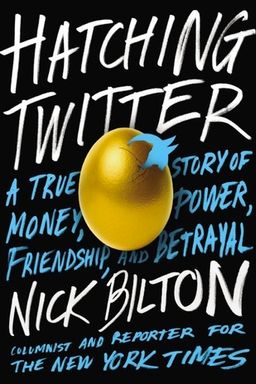
How does a chaotic side project become one of the most influential platforms on earth? In this sweeping narrative, the book argues that Twitter’s story is less about technology and more about human chemistry—how founders’ personalities, investor pressure, and cultural forces collide to create, fracture, and reinvent a company that thrives on tension. The story demonstrates that startups are living organisms driven by people, not plans.
Twitter’s birth was accidental. The team at Odeo—a podcasting startup founded by Evan “Ev” Williams and Noah Glass—lost its reason to exist when Apple added podcasts to iTunes. Rather than shutting down, the crew turned crisis into innovation through a company-wide hackathon, leading Jack Dorsey, Biz Stone, and Noah to develop a prototype for short, status-like updates. Ev financed and formalized this pivot, unknowingly launching an entirely new communications medium.
Personalities Define Direction
The four early founders embodied conflicting archetypes. Ev, the thoughtful builder, valued control and calm, often choosing quiet decisions over confrontation. Noah, the emotional catalyst, generated energy and vision but alienated others through volatility. Jack, the introspective engineer-artist, prized minimalist design and product intuition. Biz, the ethical optimist, prioritized compassion and culture over wealth. Their interplay shaped Twitter’s DNA: experimentation powered by tension.
You can trace nearly every company drama back to these traits. Ev’s reluctance to fight directly allowed others—first Jack, then investors—to reinterpret his leadership. Noah’s impulsiveness sparked the original idea but triggered his own removal. Jack’s creative brilliance built the product but his managerial immaturity led to operational breakdowns. Biz’s moral compass held the team together amid conflict.
From Pivot to Platform
The Odeo-to-Twitter pivot taught Silicon Valley one of its quintessential lessons: survival favors adaptability. A hackathon created the prototype; naming brainstorms produced “Twitter,” meaning both chatter and vibration. The early growth after SXSW 2007 transformed it from an experiment into a movement as conference-goers realized they could see one another’s messages live. That instant visibility—tweets projected on hallway screens—made participation contagious.
Yet success bred strain. Engineering shortcuts caused constant outages, known famously as the “Fail Whale” era. Rising celebrity use—from Oprah Winfrey’s on-air debut to Ashton Kutcher’s million-follower race—exposed the fragility of the system. Every viral moment carried both marketing glory and technical fear. Twitter’s engineers were building an airplane while flying it, proving that viral growth without infrastructure invites meltdown.
Vision, Politics, and Power
As Twitter scaled, it stopped being one idea and became two competing visions. Jack saw micro updates about personal moments—from “What are you doing?” to a minimalist social diary. Ev reframed it as a global information network asking, “What’s happening?” That shift—from intimacy to news—redefined the platform, aligning it with breaking events, revolutions, and journalism. But this philosophical divergence ignited internal politics: product debate blurred into leadership wars.
Investors who once celebrated creativity began to demand governance. Jack lost the CEO role amid reliability crises and erratic management; Ev replaced him, emphasizing stability. Later, Ev’s own removal followed the same script, engineered through behind-the-scenes maneuvers and a formal board coup that reinstated Jack as executive chairman. These episodes proved that who controls the boardroom—not who writes the code—determines a company’s fate.
Mythmaking and Legacy
Media then finished what politics began. Jack, mastering self-presentation, styled himself as Twitter’s sole inventor—mirroring Steve Jobs with minimalist dress, rehearsed sound bites, and constant interviews. Ev and Biz, more reserved, lost ground in the narrative war. Noah, pushed out early, was nearly erased from public memory until later reporting restored his role in naming the company. The story shows how narrative control defines legacy as much as technical invention.
By the time Twitter became geopolitical infrastructure—crucial during the Iranian protests of 2009—the company was no longer a startup but a global utility navigating ethical responsibility. Delaying a server update at the request of the U.S. State Department revealed the tension between neutrality and activism. Twitter had grown from a side project to something governments and protesters both relied on, whether or not the founders were ready.
The Human Aftermath
The book closes on the people behind the product. Noah rebuilt his life around family after being written out of the story. Ev returned to slow, deliberate building and philanthropy. Biz became a voice for moral leadership. Jack pursued fame and power but also isolation. Collectively, their arcs capture a universal truth: building something world-changing can fracture or redefine your identity. Twitter is not just the story of a company—it’s a case study in the human cost of creation.