
Idea 1
Celebrity, Wellness, and the Business of Trust
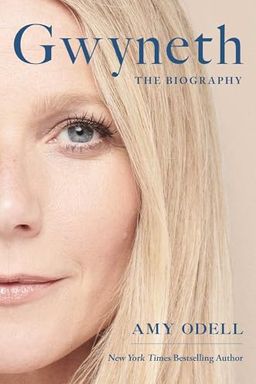
How do you turn cultural attention into a durable business? This book argues that Gwyneth Paltrow—and her company, Goop—cracked that code by monetizing trust. The core claim is simple and provocative: celebrity plus a consistent editorial voice can sell almost anything, especially when it promises self-betterment. But to see how the formula works (and where it fails), you have to follow the arc from pedigree and star-making machinery to an attention-to-commerce engine that thrives on aspiration, scarcity, and, crucially, controversy.
The story begins with a newsletter—curated travel tips, recipes, and fashion picks—that evolved into Goop.com, then into capsules, beauty products, supplements, and IRL summits. It is the classic pivot from media to merchandise, but with a twist: wellness claims, often framed in clinical-sounding language, became the growth catalyst and the compliance hazard. You watch how a single editorial mention—say, a $90 Kain Label T-shirt—sells out; how a Goop-curated J.Crew feature drives an 8 percent same-day traffic bump; and how investors (Tony Florence at NEA) fund the leap from curation to proprietary goods (Series A and B at $10M each; a $50M Series C valuing Goop at $250M). That momentum buys office campuses, a test kitchen, and product teams—and piles on structural costs that demand real retail discipline.
The trust-to-sales loop
Trust sits at the center. Paltrow’s polished taste—honed at Spence, Williamstown Theatre Festival, and then validated by Miramax-led stardom (Emma, Shakespeare in Love)—functions as the brand’s proof of authority. When she recommends, you buy. When she tries it, you try it. This is influencer commerce before the term fully calcified. Goop exploits a simple funnel: high open-rate newsletters (around 40 percent), editorial mentions, immediate e-commerce conversion. Scarcity drops (G. Label capsules in low hundreds) amplify urgency; partnerships (Goop by Juice Beauty) de-risk early product bets; and later, proprietary lines try to capture margin.
Controversy as oxygen
Here’s the uncomfortable engine: outrage often sells. Jade eggs and vaginal steaming trigger public-health critiques (notably from Dr. Jen Gunter) and watchdog actions (TINA.org, NAD). Coverage explodes, traffic surges, and sales spike—even as legal exposure mounts. The company learns to edit claims post hoc, adding disclaimers or swapping verbs (from “treats” to “supports”), while critics like Timothy Caulfield explain why “sciencey” rhetoric without evidence persuades. This cycle—publish, proliferate, pushback—normalizes fringe practices and intertwines belief with commerce (compare to the diffusion of celery juice via Anthony William, the Medical Medium).
Leadership, culture, and scale
Inside the company, founder-led intensity is both a moat and a minefield. Paltrow personally approves subject lines and product copy; she drives aesthetic choices that differentiate Goop—and create bottlenecks and burnout. Senior operators arrive (Lisa Gersh, Elise Loehnen, Preete Janda) to professionalize the org, but decision rights blur. Costs balloon: lavish offices, events like In Goop Health ($500–$1,500 tickets), and in-house beauty development with pricey packaging experiments. The lesson is universal: converting attention into profit still requires retail math—unit economics, margin discipline, and a focused category strategy (note: DTC peers from Warby Parker to Glossier grapple with the same post-virality strain).
Regulation, reputation, and durability
Regulatory checks arrive. In 2018, California prosecutors secure a $145,000 settlement over unsubstantiated claims (e.g., jade eggs, “Inner Judge Flower Essence”), with refunds and advertising changes. NAD actions force edits on allied products (e.g., Moon Juice Brain Dust). Meanwhile, high-visibility legal spectacles (the 2023 Deer Valley ski trial) reveal how paparazzi logic merges with brand theater—courtroom wardrobe becomes coverage. Despite hits, the brand persists by offering an aesthetic and community people value. Adjust the copy, trim the claims, keep selling the lifestyle.
Thesis in a sentence
Goop proves that in Big Wellness, celebrity can convert curated taste into commerce at scale—so long as you navigate the knife-edge between inspiration, misinformation, and regulation.
Why it matters to you
If you’re building a brand, Goop is both blueprint and warning: editorial trust accelerates product-market validation; controversy can be gasoline; and compliance must be baked in from day one. If you’re a consumer, adopt curiosity plus skepticism: demand randomized evidence, watch for monetization incentives, and beware when “detox” and “toxins” become marketing plot devices. If you’re a policymaker, recognize how celebrity-fueled wellness reshapes markets and, increasingly, politics (note the book’s epilogue nod to RFK Jr.). What began as a weekly email now sits inside a $6.3 trillion global wellness context—proof that personal taste, once scaled, becomes an industry.