
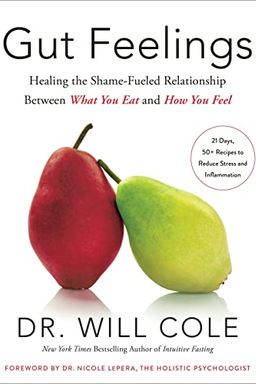
Gut Feelings cover

Gut Feelings

by Dr Will Cole

Gut Feelings by Dr. Will Cole explores the profound connection between emotions and gut health, offering a three-week plan to tackle chronic illness roots. This insightful guide helps readers unlock true health by fostering emotional awareness, self-compassion, and sustainable lifestyle changes.

Gut Feelings: Healing Your Body by Listening to Its Emotional Wisdom

Have you ever had a “gut feeling” that guided you perfectly—or warned you to steer clear—and wondered why it felt so physical? In Gut Feelings, functional medicine doctor Will Cole argues that this intuitive bond between gut and emotion isn’t poetic metaphor but biological truth. He contends that your gut is your “second brain,” influencing everything from mood and energy to digestion and immunity, and that the emotional turbulence of modern life—stress, shame, fear—can literally inflame the body. The book reveals that true healing demands integrating both worlds: the gut (your physical health) and the feelings (your emotional reality).

Cole’s core message is that physical health cannot be separated from emotional health. Every cell in your body listens to your thoughts and emotions; every upset in your mood reshapes your microbiome and hormones. He introduces his signature concept of “Shameflammation”—a hidden epidemic where negative emotions, especially shame, trigger chronic inflammation. This inflammation doesn’t just make you feel down; it can contribute to issues like autoimmunity, fatigue, hormone imbalance, brain fog, and even depression. Healing, he insists, happens when you make peace with both what you put on your plate and what you carry in your heart.

The Science of Intuition and the Second Brain

Cole grounds this idea in neuroscience. The gut and brain were formed from the same embryonic tissue, permanently connected by the enteric nervous system and the vagus nerve. Ninety-five percent of your body’s serotonin and half of its dopamine are made in the gut, which means your digestion, immunity, and even your sense of joy are built on gut health. In turn, the brain constantly influences the gut’s activity—stress slows it down, pleasure harmonizes it, and chronic anxiety can disrupt digestion entirely. Your microbiome acts like an orchestra, playing physical and emotional notes in tandem. When harmony breaks—through poor diet, stress, or self-loathing—the result is disharmony throughout.

Shameflammation: When Your Feelings Burn the Body

Where other doctors describe inflammation chiefly as dietary or environmental, Cole innovates by adding emotion to the mix. Shameflammation arises when self-criticism, perfectionism, comparison culture, or suppressed emotions flood the nervous system with stress hormones like cortisol and pro-inflammatory proteins such as interleukin-6 (IL-6). Gradually, the body exists in chronic fight-or-flight. In one study he cites, people doing public math problems had rising IL-6 inflammation markers—but those with higher self-compassion beforehand showed far less inflammation. The takeaway is simple but profound: self-kindness reduces physical inflammation. You cannot heal a body you hate.

A Holistic Invitation: Merging Food Medicine and Mind Medicine

Cole guides readers through the physical side of this connection—the microbiome, hormones, the gut-brain axis—and the emotional side—stress, trauma, perfectionism, shame. He shows how inflammatory foods like sugar, alcohol, and processed items hijack the nervous system, worsen anxiety, and perpetuate Shameflammation. He contrasts this with nutrient-dense, anti-inflammatory foods that restore serotonin production and gut-brain balance. But he warns: obsessing over perfect eating also breeds Shameflammation. Real wellness blooms in flexibility, lightness, awareness, and grace. You can eat kale and still nurture anxiety, or eat dessert mindfully and stay peaceful.

The 21-Day Gut-Feeling Plan: Reclaiming Food and Feeling Peace

To make this philosophy actionable, Cole offers a 21-day plan that pairs “gut” activities—supporting digestion, balancing sugar, eating adaptogenic foods—with “feeling” activities—mindfulness, boundaries, gratitude, self-compassion. Each day tackles one physical and one emotional practice: limiting sugar, journaling, breathing deeply, setting phone boundaries, or going outside for a “forest bath.” Rather than a detox or diet, it’s a guided experiment in self-awareness. Healing is a gentle dance of science and soul; every meal becomes both medicine and meditation.

Why It Matters: The Art of Being Well

In our health-obsessed yet emotionally starved culture, Cole’s approach fills the missing piece. By uniting functional medicine with emotional healing, he reframes wellness as the art of being well—a compassionate, flexible relationship with food and life. The implication is revolutionary: trauma and shame are just as harmful as toxins and sugar; empathy and self-forgiveness are potent medicine. Ultimately, Gut Feelings invites you to slow down, listen inward, and rewrite your personal narrative—from constant self-correction to graceful self-connection. Healing isn’t about control but communion—with your gut, your emotions, and your own intuition.


The Two-Way Street Between Body and Mind

Will Cole begins by dismantling the long-standing myth that mental and physical health exist on separate islands. In his clinical practice, he has seen countless patients whose emotional state—not just lab results—determines the success of their healing. He describes this interplay as the “gut-feeling relationship,” a bidirectional flow where what happens emotionally affects every physical cell, and what happens physically reshapes emotion and thought.

How Physical Health Alters Mood

Cole gives concrete examples: yeast or bacterial overgrowth can cause anxiety and cravings; mild dehydration can raise tension; inflammation from processed food can trigger depression. He notes that anti-inflammatory foods—berries, leafy greens, fatty fish—can dramatically improve mood. Likewise, physical imbalance in hormones or gut flora distorts emotional clarity. His patients discover that healing their gut often heals their grief or self-hate. Even exercise, he explains, rivals antidepressants because it rewires the gut-brain axis toward joy.

How Emotional Health Shapes Physiology

Then he flips the lens: emotions influence digestion, immunity, and hormones. Eating while anxious or multitasking can cause bloating and poor nutrient absorption. Stress keeps the body in fight-or-flight, halting repair mechanisms and trapping inflammation. Patients who quit toxic jobs, start therapy, or practice meditation often heal chronic fatigue, IBS, skin issues, or autoimmunity—without changing their diet at all. The emotional release transforms physiology. “You cannot heal a body you hate” becomes a recurring mantra.

Shameflammation: The Emotional Fire

Cole’s unique contribution is naming the emotional component of inflammation. Shameflammation works like a smoldering internal fire ignited by shame, fear, or perfectionism. These emotions activate inflammatory responses—raising cortisol and IL-6—and erode self-worth. Brené Brown’s description of shame as “lethal” resonates here. Cole observes that many clients over-diagnose their bodies but under-attend to self-directed hostility. Healing demands self-compassion and the willingness to value oneself as deserving of wellness.

Breaking the Cycle

The chapter closes by redefining healing as re-alignment, not willpower. Shameflammation quiets when we activate empathy, gratitude, and parasympathetic calm through breathwork, stillness, and self-love—practices later expanded in the plan. Chronic stress and guilt aren’t badges of dedication; they are biological toxins. Cole urges you to stop swimming upstream and let your body’s intelligence guide you. Healing happens not when you fight yourself but when you finally listen.


The Gut as the Body's Second Brain

Cole’s scientific deep dive reveals why your gut is far smarter than you think. This second brain contains 200–600 million neurons and produces most of your serotonin and dopamine—the neurotransmitters that regulate mood, motivation, and satisfaction. The gut microbiome, comprising 100 trillion microbes, acts like a living ecosystem, constantly talking to the brain through the vagus nerve and the enteric nervous system. When this symphony plays smoothly, both digestion and emotion flourish. When discord strikes, emotional upheaval follows.

Meet Your Microbial Community

Cole explains that the microbiome helps digest food, modulates immunity, and synthesizes neurochemicals. Imbalances—called dysbiosis—can arise from antibiotics, sugar, stress, or poor diet, leading to anxiety, depression, cravings, and inflammation. Conditions like SIBO, candida overgrowth, and leaky gut demonstrate how easily this system can turn against us. Yet, restoring balance with fiber-rich plant foods, fermented dishes like kimchi or kefir, and probiotics can transform mood and energy in days.

The Nervous System Connection

The gut communicates through the autonomic nervous system. The sympathetic mode triggers fight-or-flight, flooding cortisol and halting digestion. The parasympathetic mode—the “rest and digest” system—allows relaxation and repair, steered by the vagus nerve. When vagal tone declines, people suffer anxiety, cold digestion, and poor stress tolerance. Strengthening the vagus through breathing, meditation, laughter, or cold exposure activates the body’s repair circuits and mental calm (Stephen Porges’s polyvagal theory elaborates this interaction).

Food Peace Over Food Wars

Cole critiques both diet culture and anti-diet rebellion. The former shames you into restriction; the latter denies food’s medical power. The solution is the “third way”: food peace. He invites you to choose foods that love you back—nutrient-rich, personalized, unprocessed—and eat them with mindfulness, not fear. Bio-individuality, he emphasizes, means what nourishes someone else might inflame you. Listening to your gut, literally and figuratively, is the recipe for health.


Stress, Trauma, and the Body Keeps the Score

In an echo of Bessel van der Kolk’s The Body Keeps the Score, Cole explores how emotional wounds etch themselves onto our physiology. Chronic stress isn’t just discomfort—it’s biochemical sabotage. Over time, stress hormones alter DNA expression (epigenetics), immune function, and gut permeability. Trauma, both personal and generational, keeps the nervous system on perpetual alert, trapping people in shameflammation.

The Toll of Chronic Stress

Stress contributes to nearly every common illness—from heart disease and cancer to hypothyroidism and Alzheimer’s. It shortens sleep, distorts hunger hormones, and accelerates aging. Cole calls it the “ultimate junk food” for the body. Physical perfectionism and toxic productivity—our badge-of-honor obsession with efficiency—compound the injury. By chasing health through rigid discipline, you recreate the very stress you seek to escape.

Trauma That Crosses Generations

Cole introduces intergenerational trauma research: descendants of Holocaust survivors show altered cortisol levels, while families who survived famine exhibit inherited hypervigilance, mistrust, and metabolic issues. Trauma literally rewrites genetic expression, passing stress patterns down generations. Healing yourself, he writes, is healing your children’s children—you break the chain of inherited inflammation and fear.

Polyvagal Theory: Understanding Nervous States

Cole uses Stephen Porges’s polyvagal framework to explain how trauma leads to chronic sympathetic activation. He defines three states: ventral-vagal (calm and connection), sympathetic (fight-or-flight), and dorsal-vagal (collapse and shutdown). Many modern bodies oscillate between the latter two, manifesting anxiety, fatigue, or depression. Shifting back into ventral calm requires breath, stillness, therapy, and compassionate connection—a theme the later 21-day plan embodies fully.


Hormones: The Language of the Gut-Brain Alliance

Cole calls hormones “the body’s messengers,” constantly translating emotional states into physical responses. Every imbalance—whether insulin resistance, thyroid dysfunction, or circadian disruption—reflects a conversation between the gut, brain, and endocrine system. Healing demands fluency in that language.

Blood Sugar and Metabolism

He shows how stress and sugary diets induce insulin resistance by overactivating cortisol. Stress temporarily raises blood sugar to fuel muscles for escape—but chronic stress leaves glucose elevated all the time, paving the way for prediabetes and fatigue. Emotional trauma can thus cause metabolic disease as easily as cupcakes can.

The Sensitive Thyroid

The thyroid, he says, is an emotional barometer. Anxiety and grief can suppress its conversion of T4 to T3 hormones, mimicking Hashimoto’s symptoms. Many patients see thyroid failure after divorce or loss. Supporting gut health with probiotics and stress reduction stabilizes this delicate axis faster than medication alone.

The Sleep-Wake Symphony

Cortisol and melatonin orchestrate your daily rhythm. Late-night phone scrolling and constant stress confuse the brain into perpetual daytime, disabling rest and repair. Restorative sleep threads together all healing by consolidating positive memories and reducing inflammation. Cole teaches gratitude rituals at night to lower sympathetic tone so you sleep—and heal—deeply.

Cravings and Hunger Hormones

Leptin and ghrelin—the hunger and satiety hormones—respond both to gut microbes and emotional stress. Shame and anxiety often elevate ghrelin, causing overeating, while stress suppresses leptin, leaving you unsatisfied. Healing begins when you eat with awareness, not shame, asking “Does this food serve me or sabotage me?” In this way, Cole reimagines nourishment as dialogue, not discipline.


Feed Your Gut and Your Brain

Cole devotes considerable space to nutrition science, but always couples it with emotional grace. He reframes food choice from punishment to self-respect: “Choosing not to eat foods that don’t love you back isn’t restrictive—it’s self-love.” His foundation of diet includes protein, healthy fats, colorful plants, and mindful moderation rather than absolutes.

Protein: The Anchor of Stability

Protein builds muscle and neurotransmitters like dopamine and serotonin. Too little leads to low mood and fatigue. He lists both animal and plant sources—salmon, eggs, beans, hemp seeds—and urges experimentation to discover what fits your body and ethics. Bio-individuality reigns.

Fats: Energy and Emotional Nourishment

Healthy fats (avocado, olive oil, nuts) stabilize mood and hormones. Low-fat diets increase depression and anxiety. He distinguishes helpful MUFAs and omega-3 PUFAs from trans fats found in processed foods. Saturated fats, once demonized, can be protective when eaten mindfully. In his view, fat equals steadiness.

Carbs and Plants: Fiber and Joy

Carbohydrates aren’t villains. Whole fruits, vegetables, and gluten-free grains produce calming serotonin and melatonin. Polyphenols and fiber feed gut bacteria, increasing emotional optimism—a fact verified in studies linking high produce intake with lower depression. Cole’s mantra: Eat in color, eat with curiosity.

Mindful Eating as Meditation

Every meal, he teaches, can be meditation. Chewing slowly, focusing on flavors, and expressing gratitude activates the parasympathetic system, enhancing digestion and happiness. Food becomes a ceremony of presence—your daily opportunity to practice healing grace.


Feed Your Head and Your Heart

After exploring physical nourishment, Cole turns to emotional and spiritual nourishment—the practices that calm shameflammation and strengthen resilience. The tools he presents form a “parasympathetic toolbox,” ways to turn the body’s alarm system into peace. Healing, he says, is less about doing and more about being.

JOMO and Boundaries

Cole contrasts FOMO—the fear of missing out—with JOMO—the joy of missing out. By honoring stillness and saying “no,” you protect your time, reduce cortisol, and allow emotional digestion. Setting boundaries in relationships and on social media transforms energy vampires into distance and calm.

Self-Compassion and Forgiveness

Scientific studies confirm that kindness lowers heart rate and inflammation. Cole invites you to forgive others and yourself; resentment is poison disguised as righteousness. Self-compassion reprograms the stress response much like meditation resets brain wiring.

Mind-Body Practices

Meditation, breathwork, yoga, tai chi, and somatic therapies all shift the body from sympathetic tension to parasympathetic repair. He even acknowledges emerging treatments like CBD and microdosed psychedelics that may heal trauma by influencing the endocannabinoid system. But even simple breathing—like the 4-7-8 method—can relax you instantly.

The 4S Metaphysical Meal

Finally, he introduces his “Metaphysical Meal”—four steps: Stillness, Sweeten Judgment, Set Intentions, Seal the Meal. This fifteen-minute daily ritual invites mindfulness and compassion. Turning ordinary moments—like sipping tea or bathing—into ceremonies of gratitude is how you feed your head and heart.


The 21-Day Gut-Feeling Plan: Living the Art of Being Well

Cole culminates the book with a 21-day immersion combining practical gut healing and mindfulness. It’s not a diet but a gentle rhythm: each day offers one “gut” assignment and one “feeling” assignment. A few minutes a day rewires both body and brain toward grace.

Daily Harmony

You’ll start by identifying foods that lower your energy, then pair physical nourishment (broths, fermented foods, healthy fats, protein) with emotional ones (gratitude, baths, meditation). Later days explore sleep, sunlight, intermittent fasting, forest walks, digital detoxes, and self-love journaling. One day encourages crying as healing; another honors a “sacred nap.”

Practical Grace

Cole forbids perfectionism. If you eat the cookie, enjoy it—then move on. Shame is worse than sugar. He teaches balance between discipline and delight. Through tracking sensations and practicing gratitude, you learn to let intuition guide meals rather than guilt or external rules.

Sustainable Wellness

By Day 21, you’re encouraged to reflect and choose three practices to keep forever. The plan becomes lifelong art rather than temporary fix. The core lesson: food peace and body peace are attainable through radical acceptance and self-respect. Healing your gut-feeling connection is rebelling against shame culture—a return home to yourself.

Dig Deeper

Get personalized prompts to apply these lessons to your life and deepen your understanding.

Go Deeper

Get the Full Experience

Download Insight Books for AI-powered reflections, quizzes, and more.