
Idea 1
The Microbiome–Mitochondria Connection
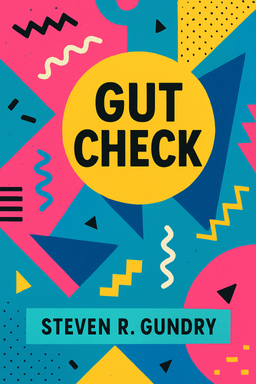
What if your health, energy, and longevity all depended on a partnership between two microbial forces—one inside you, and one within each of your cells? In his work, Dr. Steven Gundry argues that the root of most modern disease is the breakdown of communication between your gut microbiome and your mitochondria. Your gut microbes—trillions of bacteria, fungi, and viruses living along a one-cell-thick intestinal wall—control the nutrients and molecular signals your mitochondria depend upon. When the gut wall breaks (known as leaky gut), and when beneficial microbes vanish, your mitochondria misfire, your immune system overreacts, and chronic disease flourishes.
The human holobiome
You are more ecosystem than individual. The human genome has about 23,000 genes; your gut microbes contribute millions more. Gundry invites you to imagine your intestine as a rainforest—filled with species performing specialized tasks. But, like any forest, it requires balance, cooperation, and keystone species. When diversity declines (through antibiotics, pesticides, or processed food), the ecosystem loses stability. Harmful species gain dominance, reducing production of protective metabolites such as short-chain fatty acids (SCFAs) like butyrate—a key fuel for colon cells and messenger to mitochondria.
Intestinal permeability and immune overload
At the intestinal surface, a single layer of cells guards your bloodstream. Mucus, tight junctions, and friendly bacteria shield that barrier. When these defenses erode—often from missing mucus-feeding species like Akkermansia—foreign proteins (lectins, bacterial fragments such as lipopolysaccharides or LPS) cross into circulation and trigger inflammation. This is the beginning of leaky gut. Gundry stresses that chronic exposure keeps the immune system permanently on alert. Because foreign molecules often mimic human proteins, autoimmune diseases emerge when antibodies attack both invaders and your own tissues.
How gut microbes talk to mitochondria
Your mitochondria are bacterial descendants—tiny energy factories that retain bacterial DNA. They still “listen” to signals from their microbial cousins in the gut. SCFAs, polyphenol metabolites, and ketone bodies act as molecular texts directing mitochondria to uncouple (reduce reactive oxygen species, make heat) or multiply through mitogenesis. But polyphenols only achieve this after microbes activate them (for example, ellagitannins from pomegranates become urolithin A via gut bacteria). Mitochondria and microbes together orchestrate energy balance, immunity, and longevity.
Modern disruption
Modern life has ignited a “perfect storm” against this symbiosis. Broad-spectrum antibiotics, glyphosate (Roundup), plastics, NSAIDs, and acid-suppressing drugs destroy microbial diversity or damage the intestinal barrier. The result is a cascade: fewer SCFA producers, more LPS leakage, immune overactivation, and mitochondrial distress. Gundry sees the downstream consequences in clinic—autoimmunity, metabolic syndrome, heart disease, neurodegeneration, even early-onset cancer—all linked to gut permeability and microbial collapse.
Core proposition
Fix the gut, and the body heals itself. Repairing the intestinal wall and feeding the right microbes can restore immune tolerance, reprogram mitochondria, and reverse chronic disease trajectories.
The path forward
The book promises practical renewal through fermented foods, polyphenol-rich plants, resistant starches, and time-restricted eating. Gundry demonstrates that microbial repair naturally leads to mitochondrial protection—your microbes supply the metabolites that cue cellular renewal. Conversely, fasting and uncoupling behaviors sustain microbial diversity and metabolic flexibility. Throughout, Gundry joins ecological science, evolutionary biology, and clinical data to argue that wellness emerges from restoring the ancient alliance between your inner rainforest and your cellular power plants.
(Context: Similar to authors like David Sinclair and David Perlmutter, Gundry synthesizes cutting-edge microbiome and longevity research. But his model adds a unifying health theory—that mitochondria and microbes operate as co-dependent ecosystems, and when one falls, the other follows.)