
Idea 1
Why We Overvalue Talent and Undervalue Effort
Have you ever found yourself admiring someone who seems to do everything effortlessly—a colleague who naturally captivates a room, an athlete whose movements look instinctual, or a student who aces tests without seeming to study? Beneath that admiration hides one of the most persistent biases shaping our understanding of success: the tendency to value talent over effort. This book boldly argues that while most people say hard work matters most, our behaviors reveal the opposite. We unconsciously glorify talent—even when evidence shows that grit and persistence are what truly drive success.
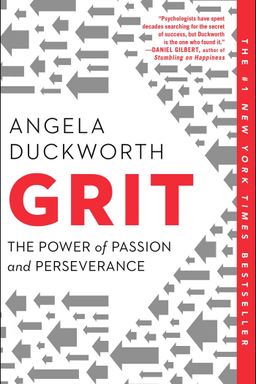
At its core, this book challenges readers to rethink what it means to be successful. It dismantles the myth of the “natural genius,” exposing how society, organizations, and even educators reward what looks effortless while ignoring the disciplined labor behind achievement. Drawing on psychological experiments, real-world examples, and cultural observations, it contends that success isn’t a product of innate ability—it’s the multiplier effect of sustained effort applied over time.
The Talent Trap
One of the most striking studies featured was conducted by psychologist Chia-Jung Tsay in 2011. She asked musical experts what mattered more—talent or practice. While most professed belief in hard work, their choices told another story. When presented with two identical piano recordings and told one performer was a 'natural talent' while the other was a 'hard worker,' the experts overwhelmingly preferred the supposedly talented musician—as if their ears could hear giftedness itself. But the recordings were by the same performer. This experiment reveals how deep our bias for talent runs: we want to believe some people are born with greatness rather than shaped by sweat.
The same illusion drives professional and entrepreneurial judgments. Tsay’s research found that investors and mentors favored founders branded as 'naturally gifted'—even though data showed these entrepreneurs required less experience and less start-up funding to gain support than equally capable but hard-working peers. Across fields, the pattern is clear: we trust talent more than effort, often at serious cost to fairness and long-term success.
The Multiplier Power of Effort
The book redefines success through a deceptively simple formula: Talent × Effort = Skill and Skill × Effort = Achievement. This means effort counts twice—it’s the multiplier that turns raw ability into skill and then into accomplishment. You see this vividly in stories like that of writer John Irving. Dyslexic and once a struggling student, Irving built his literary career on painstaking revision and persistence, rewriting each novel up to ten times. That grit transformed difficulty into mastery, culminating in his National Book Award win for The World According to Garp. His story proves that high achievement doesn’t spring from ease; it’s born from enduring struggle channeled through consistent effort.
Even public figures illustrate this principle. Bill Clinton was known for his effortless charm, while Hillary Clinton’s ascent appeared more laborious. Yet the book suggests that the perceived ease of Bill’s talent may undermine appreciation of effort’s value, while Hillary’s persistence may ultimately demonstrate what real resilience looks like. In a world obsessed with natural charisma, visible effort can sometimes be a more powerful source of respect and influence.
Why This Bias Matters
Our bias toward talent has consequences far beyond individual psychology. In business, it affects hiring decisions and corporate culture. In education, it shapes how teachers praise and how children perceive their own potential. And personally, it can distort your beliefs about your own limits. If you think success is predetermined by ability, you might give up when faced with difficulty. But if you believe effort can multiply ability, you’re empowered to grow. Psychologist Carol Dweck, in her work on the growth mindset, found similar effects: praising intelligence fosters fragility, while praising persistence fosters resilience. This book builds on that foundation with richer cultural and behavioral evidence.
A New Vision of Achievement
Throughout its chapters, the book guides readers through practical methods to cultivate effort-driven success. It explores how daily habits and low-level goals keep motivation alive; why balancing passion with realism prevents burnout; how deliberate practice—what psychologist Anders Ericsson calls 'intelligent practice'—accelerates progress; and how purpose transforms routine work into meaningful engagement. Finally, it shows how attitudes toward effort can shape entire generations and cultures, from Finnish 'sisu' to educational reforms that reward perseverance over innate ability.
“Effort counts twice.” This simple insight reframes success as something democratic rather than exclusive. The author argues that talent may spark potential—but only effort sustains achievement.
These ideas matter because they offer a blueprint for a society that’s not dazzled by effortless excellence but committed to cultivating growth. By unmasking our hidden preference for talent, the book invites you to change how you evaluate success—in yourself, your children, your colleagues, and your culture. When you shift focus from what people are born with to what they strive for, you not only open doors for individual excellence but build a world grounded in fairness, resilience, and purpose.