
Idea 1
The Architecture of Goodness
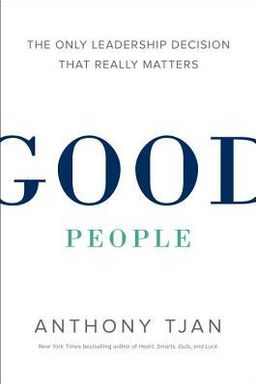
Can goodness be learned, practiced, and measured—not just admired? In Good People, Anthony Tjan argues that goodness is not moral idealism but a trainable capacity for better leadership and living. He presents a coherent architecture for cultivating good character and results through truth, compassion, and wholeness—the three levels of his Goodness Pyramid. Drawing from business, sports, and personal experience, Tjan turns virtue into a practicable framework you can operationalize in decision-making, hiring, mentoring, and self-development.
The Goodness Pyramid: An Ethical Operating System
At the foundation sits Truth: humility, self-awareness, integrity. Without truth, no durable enterprise or relationship can stand. In the middle is Compassion: openness, empathy, generosity—the relational engine that makes truth humane. At the summit is Wholeness: love, respect, and wisdom—the integration of the previous two layers into sustained fulfillment. Each layer builds upon the one beneath it, much like Maslow’s hierarchy maps needs. (Note: this analogy signals that doing good follows developmental order, not spontaneous inspiration.)
Truth clarifies; compassion connects; wholeness completes. Together they offer a vocabulary for evaluating character and culture with precision rather than vague moralism.
Moving from Ideal to Practice
Tjan transforms these layers into what he calls the Good People Mantra: five principles you can apply daily. They are: (1) be people-first rather than idea-first; (2) help others become fuller versions of themselves; (3) commit to values before competencies; (4) find balance within competing realities; and (5) practice goodness habitually, not episodically. These principles convert aspiration into action—turning character from performance into process.
For instance, WD-40 under Garry Ridge exemplifies people-first culture, mentorship, and enduring performance. Tsun-yan Hsieh’s journals reflect the long-term discipline of helping others grow. Sydney Finkelstein’s "superbosses" illustrate hiring for values, not solely skill. These examples show that goodness pays compound interest across decades.
Navigating Tensions and Building Judgment
Goodness operates within tension rather than purity. The book outlines recurring paradoxes—idealism vs pragmatism, short-term vs long-term, vulnerability vs conviction, idiosyncrasy vs connectedness, grit vs acceptance. To navigate them, Tjan introduces the R.I.S.E. framework (Recognize, Internalize, Share, Execute). You start by recognizing the tension clearly, internalizing its emotional and factual truth, sharing it with trusted advisors for perspective, and executing with conviction while documenting the rationale. This discipline transforms moral uncertainty into repeatable good judgment.
Through R.I.S.E., leaders like Lee Kuan Yew, Warren Buffett, and MiniLuxe’s founders show how long-termist, values-grounded decisions yield enduring results even amid pressure. Recognizing conflicts and playing them forward—then executing with integrity—makes goodness resilient rather than fragile.
Why Wholeness Is the Destination
Wholeness in Tjan’s schema is the difficult but worthy journey toward integrated leadership. It combines self-love and care, respect in relationships, and wisdom in choices. John Wooden’s peace-of-mind success formula, Trader Joe’s cultural coherence, and JFK’s thoughtful crisis management all illustrate wholeness. It’s not perfection but balance—the ability to act true, compassionate, and wise across contexts.
The Book’s Broader Promise
Ultimately, Good People offers a language and framework for diagnosing goodness in individuals, teams, and organizations. It fuses moral clarity with pragmatic tools—daily disciplines, journaling, mentoring, hiring rubrics, and decision processes—so that goodness becomes not just an intention but an executable strategy. (Comparable works: Jim Collins’s Good to Great and Clayton Christensen’s How Will You Measure Your Life? similarly blend purpose with performance, but Tjan centers the moral element.)
By committing to truth, compassion, and wholeness—and practicing the mantra and R.I.S.E.—you make goodness actionable. It’s not about sainthood; it’s about sustainable humanity: work that feels decent, cultures that endure, and leaders who can sleep soundly knowing they led truthfully and well.