
Idea 1
Parenting from the Inside Out
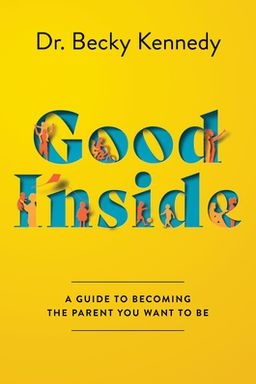
How can you raise confident, emotionally resilient children without losing yourself to guilt or frustration? In Good Inside, Dr. Becky Kennedy—known affectionately as Dr. Becky—argues that effective parenting is less about perfect strategies and more about how you see your child and yourself: both fundamentally good inside. When you hold this stance, discipline becomes guidance, boundaries become containment, and every challenge becomes an opportunity for connection and growth.
Kennedy’s core claim is that children act out not because they are bad but because they are struggling. Behavior is a clue, not a crime. Your job as a parent is to stay regulated enough to interpret that clue. Through connection, boundaries, and repair, you help your child build the tools for resilience, self-trust, and emotional literacy. The “good inside” philosophy bridges attachment theory, Internal Family Systems (IFS), and neuroscience into a practical day-to-day parenting model.
The Core Shift: From Fixing Behavior to Meeting Needs
Traditional parenting often focuses on modifying what’s visible—obedience, manners, or compliance. Dr. Becky reframes these moments as invitations to look underneath behavior. A tantrum signals dysregulation; lying reflects fear or shame; whining signifies helplessness. When you interpret behavior as communication rather than defiance, your empathy replaces anger, and your interventions become constructive.
For instance, in one vignette, a child screams “You’re the worst mom!” when he’s left out of a lunch with Dad. Instead of replying with punishment, the parent uses a Most Generous Interpretation (MGI): maybe he feels jealous and left out. Responding from that stance—“I know you wish you could come too”—models connection and teaches emotional honesty.
Holding Complexity and Multiple Truths
Parenting doesn’t require perfection; it requires flexibility. Kennedy’s “two things are true” tool teaches you to hold simultaneous realities: I can be firm, and my child can be upset. I messed up, and I’m still a good parent. This orientation turns polarized struggles—love versus limits, authority versus warmth—into opportunities for collaboration. By validating your child’s emotion while holding the boundary, you teach emotional nuance and relational safety.
When you practice this stance consistently, conflicts shrink. Bedtime resistance turns from a power battle to a shared problem: “Two things are true, I need you to rest, and it’s frustrating when you don’t feel tired.” This small language shift builds empathy without surrendering authority.
Boundaries, Containment, and the Parent’s Job
Another central theme is defining your role. You’re the leader, not the judge. Your job is to set and enforce boundaries, contain overwhelming emotions, and reflect your child’s inner experience. When kids lash out physically or verbally, they are asking for containment—proof that their intensity won’t break connection.
Containment is about safety, not control. Saying “I won’t let you hit” and positioning your body calmly between siblings communicates leadership. It teaches that big feelings are survivable because you’re there to anchor them. (This echoes Daniel Siegel’s “connect and redirect” principle in No-Drama Discipline but places even more focus on emotional presence over explanation.)
Attachment, Shame, and the Power of Repair
The early years wire how a child views themselves and others. Through consistent validation, children learn that their feelings won’t break connection. When emotions are dismissed or punished, they internalize shame and hide parts of themselves. Kennedy links this to IFS: children develop internal “exiles”—feelings like anger, fear, or sadness—that they suppress to stay lovable. Parents who practice repair reverse this process. Every time you own your mistake (“I yelled, and that wasn’t okay”), you teach your child that ruptures can end in reconnection, not rejection.
Repair doesn’t erase the rupture; it rewires the body’s memory. The child learns safety through cycles of connection, disconnection, and reconnection—building resilience and self-trust. This is the long game of parenting.
Resilience Over Perfection
Ultimately, Dr. Becky reframes the real parental goal: not endless happiness but robust resilience. A happy child isn’t one who never struggles but one who believes they can handle hard things. Through emotional “vaccinations” (small exposures to discomfort), reflective storytelling, and modeling self-regulation, you build your child’s tolerance for frustration and their confidence in recovery.
In a world obsessed with achievement, Kennedy reminds you that it’s the emotional scaffolding—connection, boundaries, repair, and self-trust—that creates durable happiness. Parenting from the inside out means remembering that both you and your child are still growing, still wiring, and still deeply good inside.