
Idea 1
The Science and Power of Habit
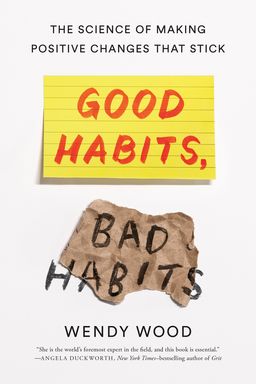
Why do you keep doing things you didn’t plan to do, even when you know better? In Good Habits, Bad Habits, psychologist Wendy Wood argues that much of what shapes your life doesn’t come from deliberate choice but from automatic routines triggered by context. You are not a single, unified decision-maker; you are two selves sharing one brain: the executive self that sets goals and makes plans, and the habitual self that acts fast and fluently based on cues and repetition.
Two Minds, One Body
Your executive self controls conscious decisions—deciding to start a diet, apply for a job, or call a friend. But it is slow, energy-intensive, and easily fatigued. Your habitual self, by contrast, runs nearly half of your daily behaviors automatically—showering, driving, eating snacks, scrolling your phone—without needing you to think. This second self learns through repetition and reward and operates in sensorimotor brain regions like the putamen. Neuroscience confirms that as actions repeat, they move from the prefrontal cortex (planning) into the basal ganglia (automaticity).
Habit as a Context–Response System
Wood’s research defines a habit as a mental association linking a cue (a situation, place, or time) to a specific response. When the cue appears, the action unfolds automatically. You can’t simply “will” yourself out of habits because they bypass deliberation. The key mechanism is context consistency: repetition in the same situation strengthens the cue→response bond. Roughly 43% of daily actions stem from such automatic systems. (William James called habit a “second nature”; Wood shows it is, biologically, a second operating system.)
Why Willpower Fails—and What Works Instead
Most common advice about self-control—“try harder,” “resist temptation”—misunderstands how behavior really works. Effective self-control is not white-knuckled resistance but structuring your environment so temptation rarely occurs. The famous marshmallow test at Stanford shows this: children waited longer when the marshmallow was hidden from view. In real life, highly self-controlled people don’t resist more; they face fewer temptations. They’ve designed contexts that align their automatic responses with their goals.
Repetition and Reward Build the Habit Engine
Habits strengthen through frequent repetition and immediate reward. Pippa Lally’s study found that daily behaviors became “automatic” after roughly 66 days on average—but the true range varies by complexity, context, and consistency. Repetition makes responses fast, and dopamine-timed rewards cement them in your neural circuits. Rewards must be close to the behavior—seconds, not weeks. Surprising or variable rewards (as seen in slot machines or gamified apps) reinforce habits even more strongly, for better or worse.
Context: The Hidden Lever
Context—your surroundings, timing, location, and social group—is the most powerful determinant of which habitual responses activate. Make desired actions easy and accessible; add friction to undesired ones. People eat less when snacks are out of reach and relapse more when a cigarette display appears nearby. Policy-level habits follow the same rule: defaults like opt-out organ donation or automatic retirement enrollment dramatically shift mass behavior without restricting choice.
Change and Stress: Two Crucial Turning Points
Major life changes disrupt context cues; Wood calls this discontinuity. Moving, starting a new job, or even reordering a store layout forces people to act consciously for a time. That gap can free you from old routines or destroy good ones. Similarly, stress shifts brain activation away from the prefrontal cortex toward habit circuits. Under pressure, you revert to your practiced routines—healthy or harmful. Good habits become self-control insurance when life is hard.
From Personal to Policy
Wood extends these principles beyond self-help. Entire societies use habit design through nudges and defaults—soda taxes, walkable neighborhoods, automatic saving. Addiction recovery also relies on context engineering: when Vietnam veterans returned home, their heroin addiction rates collapsed because cues and reinforcers changed. Environment, not just willpower, determines long-term behavior.
The Core Message
You don’t rise to the level of your intentions—you fall to the level of your habits.
To change your life, stop relying solely on conscious effort. Instead, train your second self with repetition, immediate rewards, stable contexts, and smart cues. Then even under stress or distraction, your automatic responses will carry you forward toward the goals your executive self set.
Once you understand that most of your daily life runs on autopilot, you can stop blaming yourself for inconsistency—and start building systems that make the right actions effortless.