
Idea 1
Fear, Identity, and the Erosion of Liberal Democracy
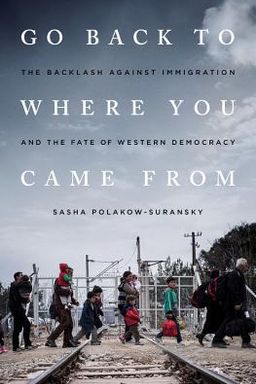
You’ve seen the rise of populism and democratic backsliding across Europe, the United States, and beyond, but Sasha Polakow‑Suransky’s book shows it as part of one larger story: how fear—especially fear linked to migration, terrorism, and cultural change—becomes political fuel that corrodes liberal norms. He argues that liberal democracy isn’t usually overturned by coups; it erodes from within when elected leaders exploit anxiety to weaken constitutional limits.
The chain reaction: fear, myth, and control
It often begins with shocks. The Paris attacks of 2015, Charlie Hebdo, and similar moments create public panic and moral outrage. Politicians link those disasters to immigration and then craft narratives that promise safety through exclusion. Marine Le Pen’s language about defending secular France from an “Islamic invasion” mirrors Geert Wilders’s Dutch rhetoric about preserving “our culture.” These aren’t coincidental slogans; they translate fear into identity politics.
Intellectuals amplify this shift. Novels like Michel Houellebecq’s Submission and polemics by Alain Finkielkraut and Éric Zemmour give cultural legitimacy to once‑fringe ideas. That legitimacy lets mainstream parties move rightward without appearing extreme. The result is the steady normalization of policies—burkini bans, citizenship stripping—that once belonged to reactionary margins.
Integration gone wrong
You then discover that failed integration sets the stage for backlash. In the Netherlands and other parts of Europe, migrants invited as guest workers were never treated as permanent citizens. Welfare systems shielded them economically but isolated them socially. Cultural misunderstandings—around religion, gender, and public behavior—turn tolerance into quiet resentment. As Dutch sociologist Willem Schinkel notes, the state began policing the borders of “Dutchness” instead of building bridges.
This failure isn’t uniquely Dutch. Across Europe, welfare policies meant to protect citizens evolve into tools for exclusion. Denmark’s “welfare chauvinism” shows the paradox: parties like the Danish People’s Party defend generous social benefits but reserve them for “us,” linking economic protection to cultural purity. (Note: Robert Putnam’s research on trust and diversity helps explain why solidarity falters when social cohesion drops.)
Performance and provocation
Media culture accelerates this process. In places like the Netherlands, platforms such as Geenstijl thrive on provocation and humiliation. Politicians adapt accordingly—Pim Fortuyn, Theo van Gogh, and later Geert Wilders transform outrage into spectacle. Debates shift from substance to identity theater. The result is performative politics that rewards emotional extremes over nuance.
Offshoring morality and global contagion
You also see how democracies externalize moral dilemmas. Australia’s offshore detention system—Nauru and Manus Island—becomes the model for European leaders seeking to outsource refugee management. The policy reframes cruelty as compassion (“Stop the boats to save lives”). But the human toll and the erosion of legal accountability show how easily humanitarian rhetoric masks moral outsourcing. The same logic leaks into Denmark and Britain, where deterrence replaces responsibility.
The shape of the new far right
Polakow‑Suransky traces how figures like Marine Le Pen modernize xenophobia. She cleanses overt racism and rebrands it as defense of secularism and women’s rights—turning exclusion into moral duty. Intellectuals such as Renaud Camus and Jean Raspail feed her with literature warning of a “Great Replacement.” The strategy proves electorally potent because it speaks to fear and nostalgia simultaneously. (Compare this cultural makeover to Thatcher’s mix of morality and markets, or to Trump’s fusion of security and grievance.)
Democracy’s final strain
By the epilogue, the book reveals democracy’s deeper problem: disenchantment. Foa and Mounk’s research shows declining belief in democratic institutions among younger citizens. Many who feel ignored turn toward illiberal alternatives simply because they seem to listen. Isaiah Berlin described nationalism as a “self‑protective resistance” born of humiliation; the pattern repeats now among those who think elites disregard them. Unless liberal politics re‑engages with economic fairness and emotional recognition, it will keep losing ground to leaders who promise identity security instead of institutional integrity.
Key takeaway
Fear, exclusion, and nostalgia combine into a powerful mix. Liberal democracy’s decline isn’t inevitable—but without empathy and credible economic solutions, its defenders will keep losing the moral argument to populists who weaponize culture to promise protection.